Mobile Home Loan Myths Busted: What Today’s Buyers Need to Know

If you haven’t started shopping yet, much of what you’ve heard about manufactured homes probably describes trailers built before 1976. Six beliefs come up most: that these homes are temporary, that they are poorly built, that nobody will lend on them, that you have to own land, that you need perfect credit, and that they always lose value.
Each has some history behind it. None is accurate as a blanket statement about a home built to the federal code, and the corrections below tell you what to check on a home you might buy.
What people say and what is true
| What people say | What is true |
|---|---|
| They’re temporary housing | A manufactured home is installed, connected to utilities and lived in permanently |
| They’re poorly built | Since June 15, 1976, every home is built to a federal code and inspected in the factory |
| Nobody will lend on one | Loans exist for homes in communities and on owned land, subject to credit approval |
| You have to own land | A home on a rented space is financed on its own |
| You need perfect credit | Credit requirements vary by program, and each application is reviewed individually |
| They always lose value | Value depends on the land, the location, the condition and the title |
A manufactured home is built to stay where it is installed
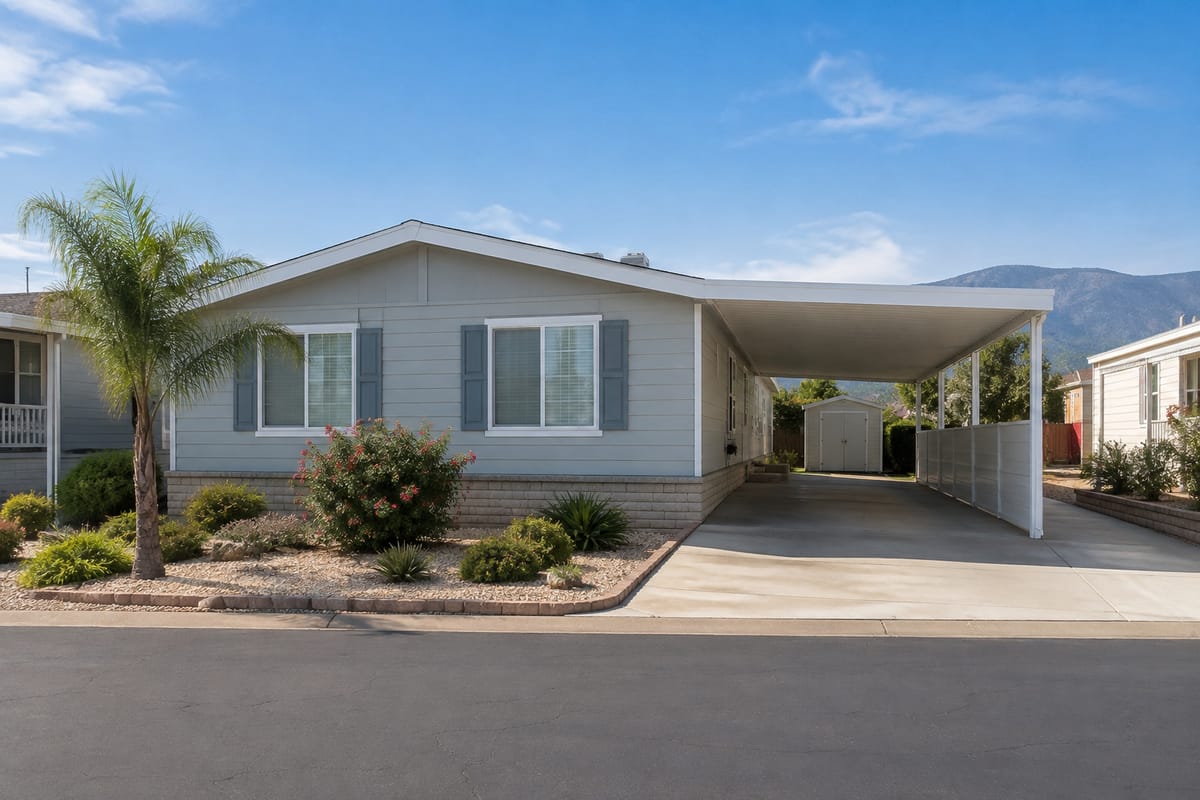
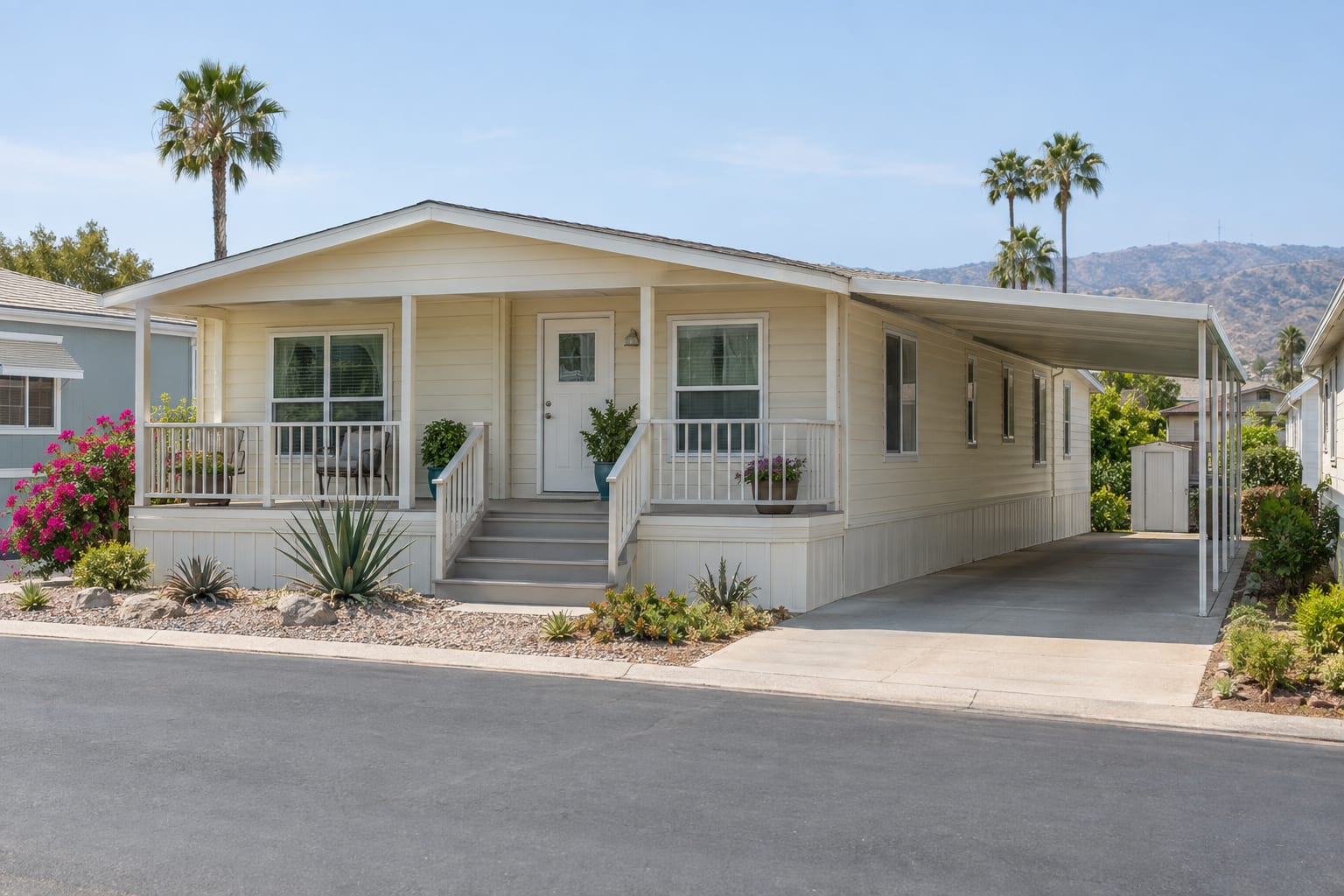
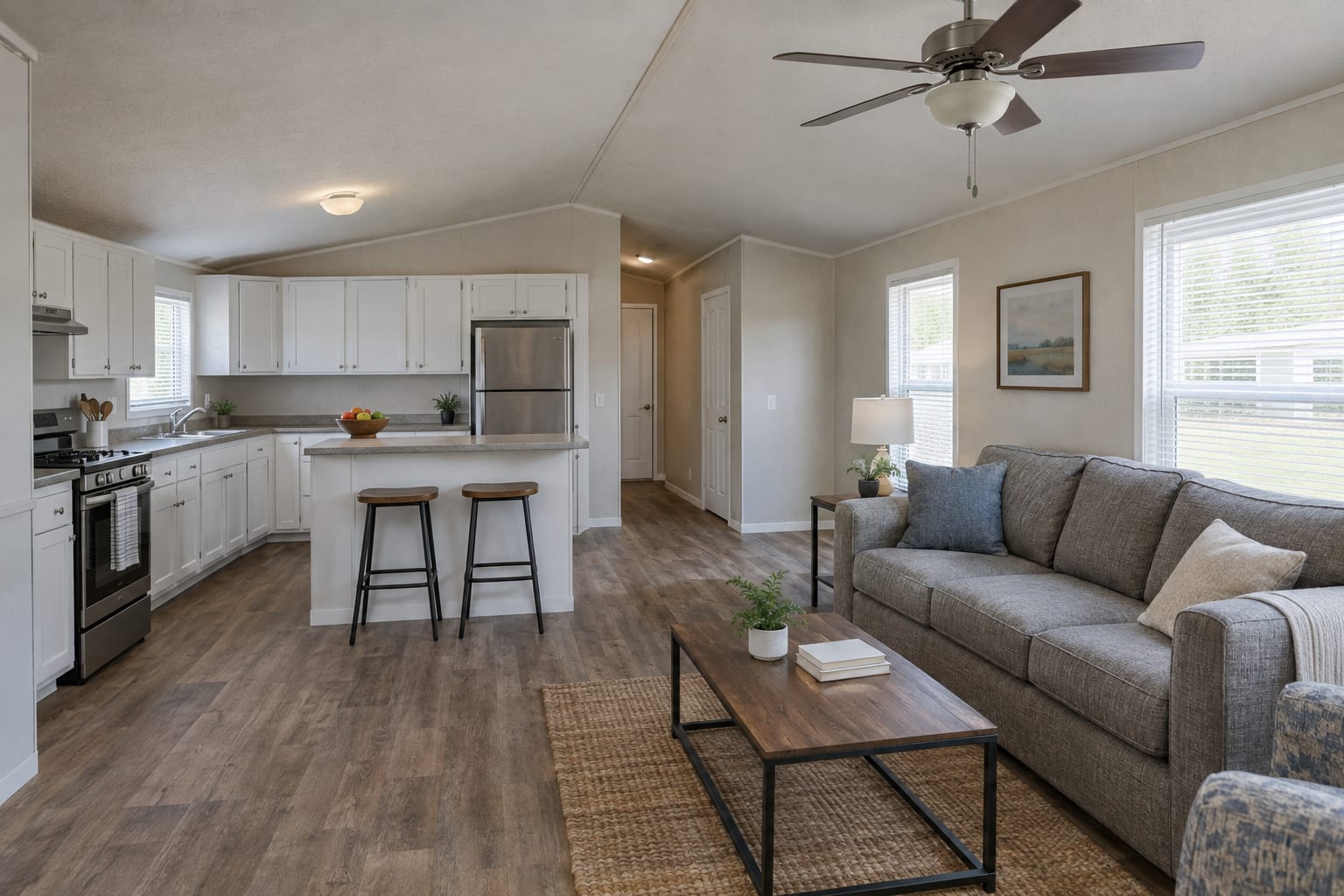
The word “mobile” causes most of this. A manufactured home arrives on its own chassis in one or more sections. After that it is set on a support system or foundation, connected to utilities, and lived in like any other house.
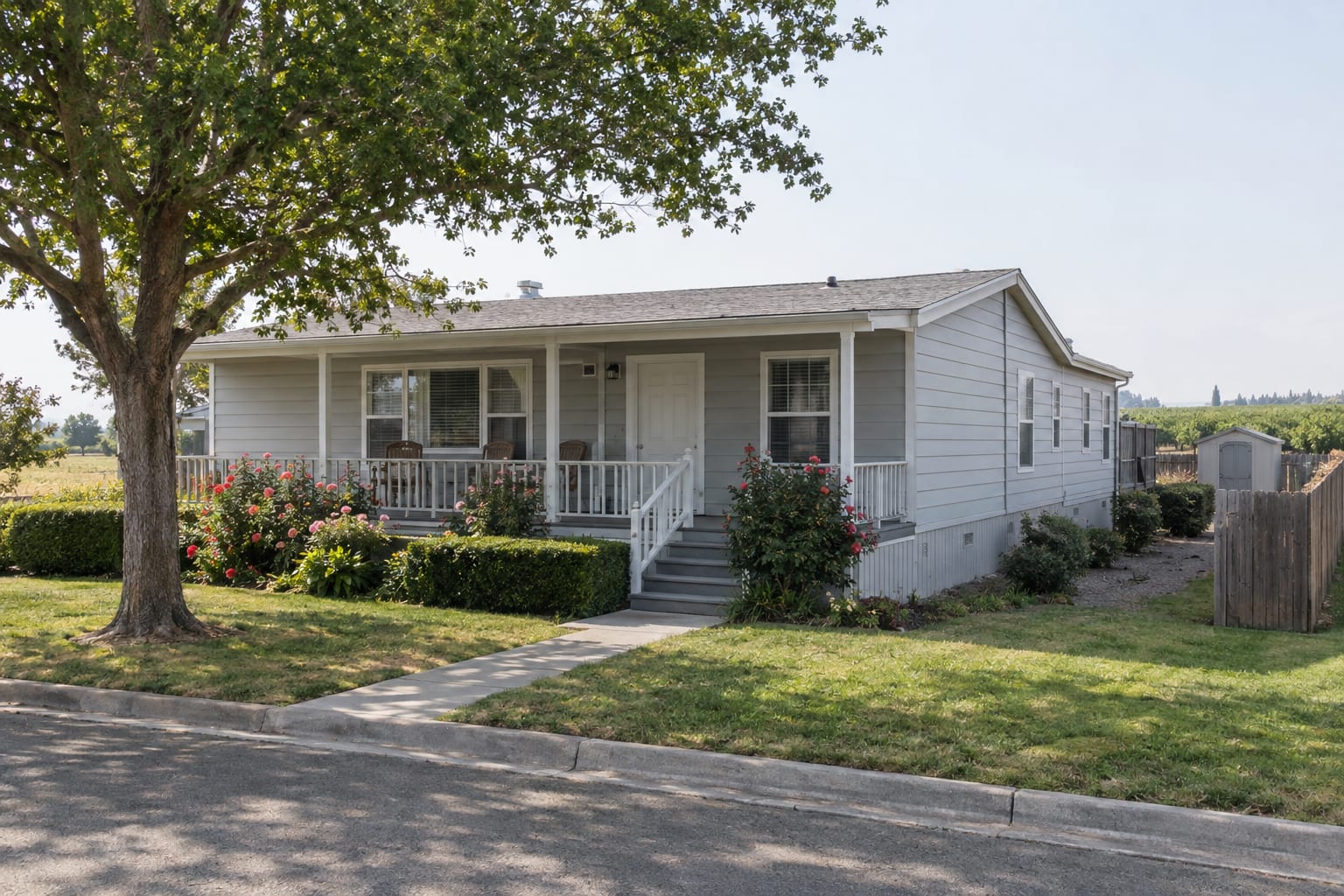
Moving one later generally takes licensed contractors and permits, so homes are usually bought and sold where they sit. A home on land its owner also owns can go a step further and be recorded as real property, part of the real estate.
Homes built since 1976 follow a federal building code
Before June 15, 1976 there was no mandatory federal building code for factory-built homes. Since that date, every manufactured home has had to be built to the federal HUD Code. According to HUD, the standards cover the body and frame, thermal protection, plumbing, electrical systems and fire safety, and homes are inspected at stages of production by an inspection agency that HUD approves.
Two things on the home record this. A red HUD label is fixed to the outside of each section, and a data plate inside lists the wind, roof-load and thermal zones the home was built for. HUD label, data plate and serial number shows where to find both.
Lenders do finance manufactured homes
It is true that many banks and mortgage lenders won’t. Many of them lend only on real estate, and a home on rented land is personal property with a title, more like a vehicle on paper. That is a limit on what those lenders do. It is not a flaw in the home.
Lenders that specialize in manufactured housing finance homes in communities and on owned land. Santiago Financial, Inc. has specialized in manufactured and mobile home financing since 1975, and today works with buyers in California and Arizona. The loan programs page compares the main kinds. All financing is subject to credit approval, and not all applicants or homes qualify.
You do not have to own land
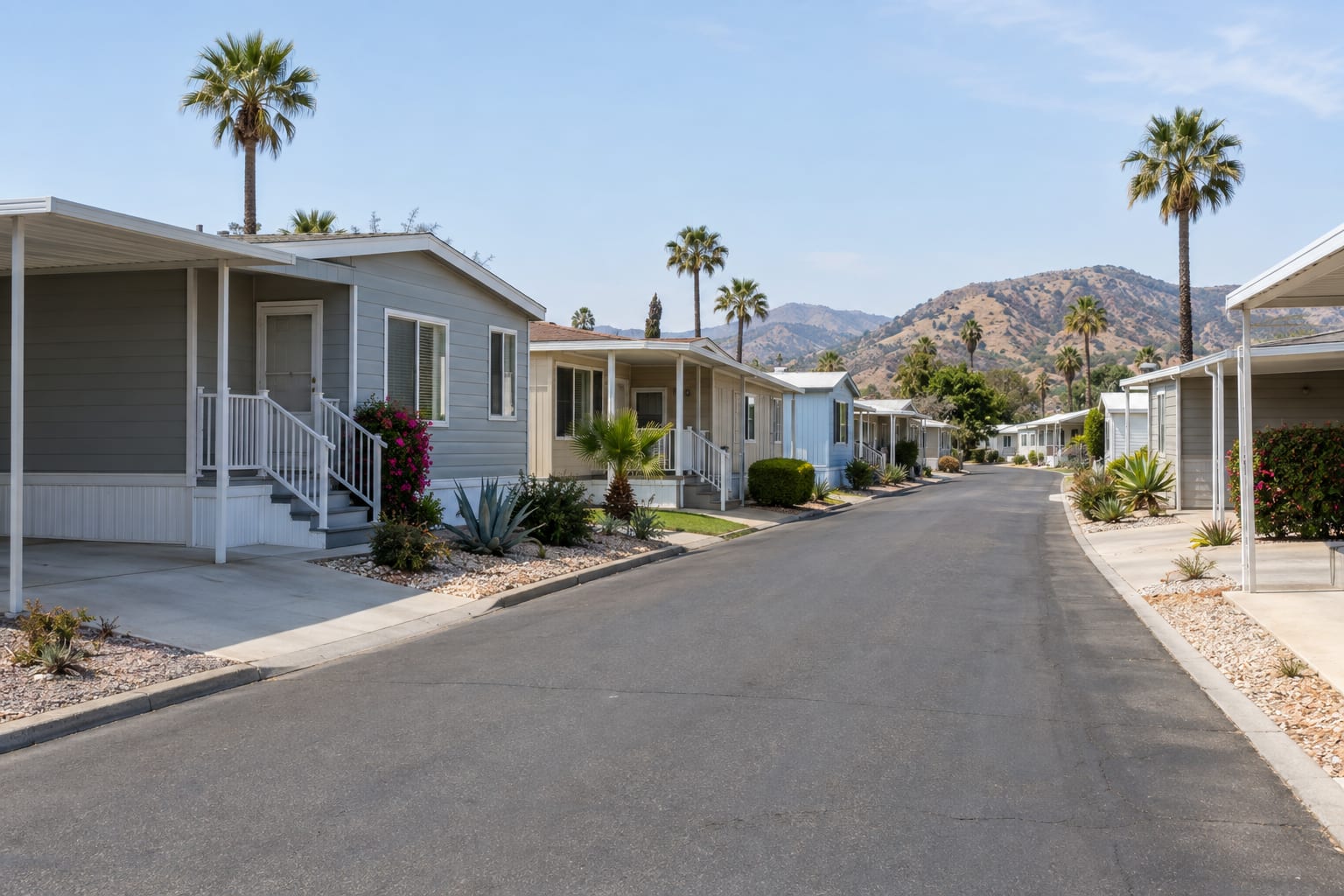
In a land-lease community you own the home and rent the space it sits on. The home is financed by itself with a home-only loan, also called a chattel loan. The land stays with the community.
What you take on in exchange is space rent, paid to the community every month on top of the loan payment, and the community’s own approval of you as a resident, which is separate from the lender’s.
If you’re getting ready to look, the first-time buyer’s order of events starts with this choice between leased and owned land.
Credit matters, but there is no single cutoff
Credit requirements vary by program and investor, and each application is reviewed individually. A lender looks at your payment history, your debts and your income together with the home and the land.
That cuts both ways. Nobody can tell you from a score alone that you’ll be declined, and nobody can tell you that you’ll be approved before an application has been reviewed. Check your free reports at annualcreditreport.com, dispute anything that is wrong, and ask a specialist what applies to your scenario.
Value depends on the land, the location and the upkeep
The idea that a manufactured home can only lose value lumps very different situations together. What a particular home does depends on things you can check: whether the land is owned or leased, where the home is, the space rent and condition of the community, the home’s upkeep, and whether the title is clean.
A home recorded as real property on land you own is generally taxed and financed more like a site-built house. Nobody can promise that any home will be worth more later, and we don’t. What drives manufactured home resale value looks at each factor.
The financing-specific myths, covering older homes, refinancing, fees and pre-qualification, are in common myths and facts about mobile home financing.