
Insuring a manufactured home, from quote to closing
Most loans need an acceptable policy on the home, with the lender named on it, before closing. Santiago Financial Insurance Services quotes coverage for manufactured homes in communities and on owned land in California and Arizona, and coordinates the evidence of insurance with your loan file.
If you are buying or refinancing, the lender will generally want an acceptable policy in place before closing, with the lender named on it as mortgagee or loss payee. If you already own the home, the question is whether the policy you have still fits the home, its additions, and where it sits. Either way, choose from the policy’s terms, not the headline premium.
Santiago Financial Insurance Services helps buyers and owners of manufactured homes, in communities and on owned land in California and Arizona, compare the options available to them, and coordinates the evidence of insurance an eligible purchase or refinance needs. To request a quote, complete the online form or call (800) 232-3908 ext. 112.
Coverage descriptions on this page are general information, not insurance or legal advice. Availability, limits, deductibles, exclusions, endorsements, premiums, and settlement provisions depend on the actual quote and policy. Read the carrier documents and ask questions before binding coverage.

What a manufactured home policy is made of
Home and belongings
Dwelling coverage pays to repair or replace the home itself; other-structures coverage takes in the carport, porch, awning, or shed; personal-property coverage is what is inside. Ask which of your additions are included and whether the home is settled at replacement cost or actual cash value.
Liability
Personal liability responds if someone is hurt on your space or you are held responsible for damage to someone else’s property. Ask about the limit, the exclusions, and whether medical-payments coverage is included.
Earthquake and flood
A standard policy generally covers neither. Each is a separate policy or endorsement with its own deductible, and a federally regulated lender must require flood coverage when the home is in a designated high-risk flood area. Ask about each hazard by name.
Deductibles, limits, and the carrier
Two quotes with the same premium can pay very differently after a loss. Compare the deductibles (including any separate wind, wildfire, or earthquake deductible), the limits, the exclusions, the endorsements added, and how the carrier settles claims.
Where the home sits changes what you need
The same home can need a different policy in the foothills, on the coast, beside a desert wash, or in a community in the valley. Four location questions come up most often in California and Arizona.
Wildfire
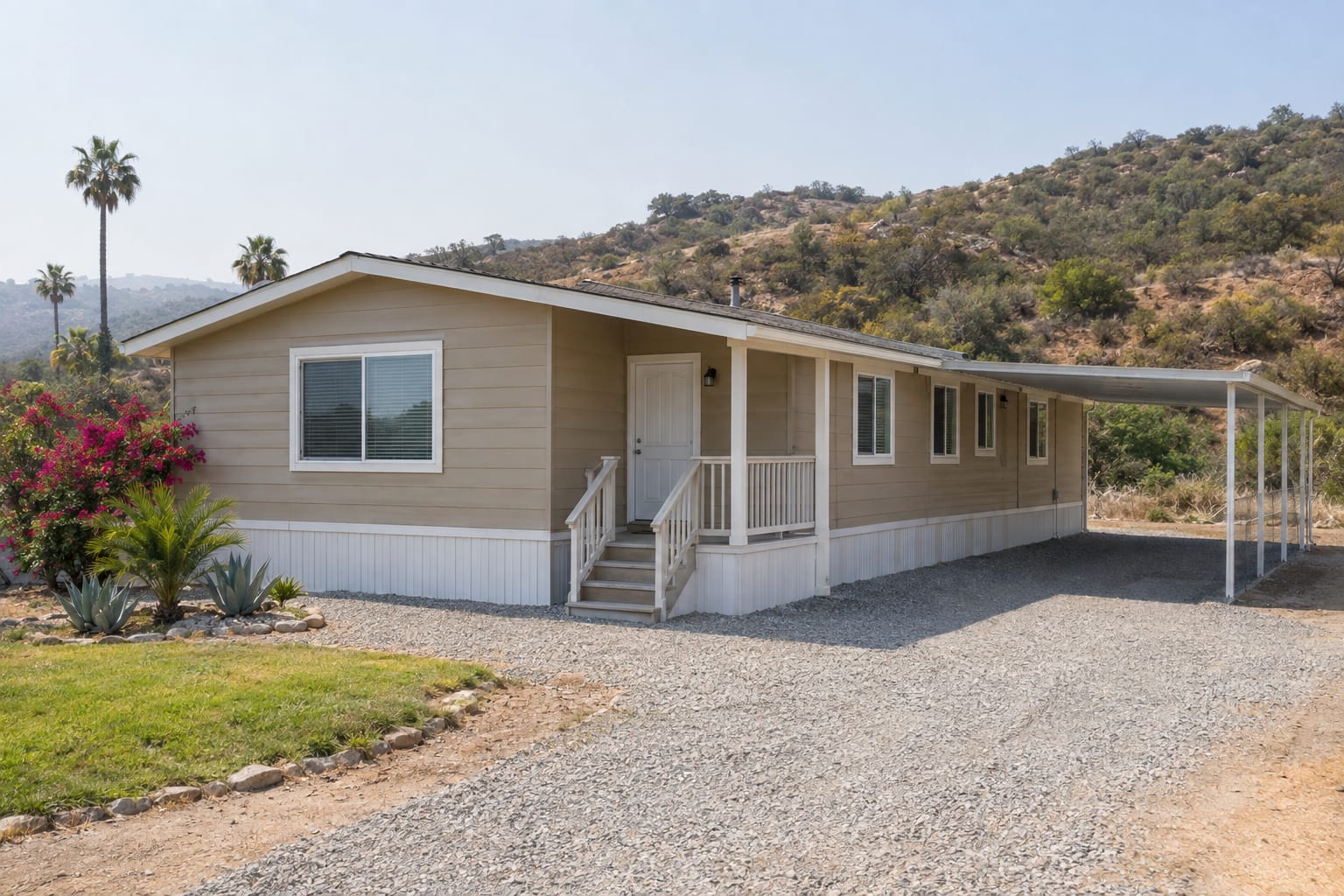
Insurers decide what they will write in wildfire country with their own catastrophe models. The California Department of Insurance notes that CAL FIRE’s Fire Hazard Severity Zone maps exist to guide local planning and do not set insurance rates or availability, so a mapped zone and an insurer’s view of the risk are two different things. If no regular insurer will write the home, the California FAIR Plan, an insurer of last resort created by state law, offers a limited fire policy that can be paired with a separate “difference in conditions” policy for water damage, liability, theft, and additional living expenses. Ask whether a quote is one standard policy or that two-part combination, and what each part covers.
Flood
Homeowners policies typically exclude flood. Flood insurance is a separate policy, mostly through the National Flood Insurance Program, and when a home in a FEMA-designated high-risk flood area is financed by a federally regulated lender, the lender must require it. A new policy usually has a waiting period before it takes effect (FEMA says typically 30 days), except when it is bought because a lender requires it. Check the address on FEMA’s Flood Map Service Center before you make an offer. The same lookup applies in Arizona, where flash flooding in washes is a monsoon-season hazard.
Earthquake
In California, a homeowners or mobilehome policy generally does not cover earthquake damage, and the Department of Insurance explains that a company selling you homeowners insurance must offer earthquake coverage. Most of it is written through the California Earthquake Authority, which has a policy for mobilehome and manufactured home owners, sold through participating residential insurers. Ask whether your loan has any requirement; if not, weigh the deductible against what repairing or replacing the home would cost.
Monsoon wind, dust, and flash flooding in Arizona
Arizona’s summer monsoon brings thunderstorm gusts that the National Weather Service in Phoenix says almost always exceed 40 mph in the Southwest, along with dust storms, lightning, and flash flooding. Ask whether wind and hail carry a separate deductible, whether the carport and awning are covered as other structures, and, if the home is anywhere near a wash, what the flood map shows.
This section is general information drawn from the agencies linked above, not insurance, legal, or tax advice. Rules and programs change; confirm current details with the carrier and the agency.
Questions to ask about a manufactured home insurance quote
- What property and causes of loss are covered, limited, or excluded?
- Is settlement based on replacement cost, actual cash value, an agreed amount, or another method?
- What are the dwelling, personal-property, other-structure, liability, and loss-of-use limits?
- Which deductibles apply, including any separate wind, wildfire, earthquake, or other hazard deductible?
- Are flood, earth movement, water backup, ordinance or law, debris removal, and transport or relocation covered?
- Does the policy satisfy the lender’s required wording and limits?
- Are additions such as porches, carports, garages, sheds, solar, or permanently installed improvements included?
- What changes must be reported to the carrier after the policy starts?
The lowest premium is not automatically the strongest value. Compare what the policy pays, what it excludes, and what you would be responsible for after a loss.
Request a manufactured home insurance quote
Complete the online form, or print and fax the request form, whichever is easier. The insurance team reviews it and follows up during business hours with any questions and the options available for the home. There is no obligation to bind.
Frequently asked questions
Is manufactured home insurance different from standard homeowners insurance?
Manufactured homes have construction, installation, title, and occupancy characteristics that can affect the policy offered. The correct coverage depends on the home, location, use, land or community setup, value, condition, carrier, and state. Review the actual quote and policy documents.
Is manufactured home insurance required for a loan?
Lenders generally require acceptable insurance on the collateral before closing and while the loan is outstanding. The required coverage, limits, deductible, mortgagee or loss-payee wording, and effective date depend on the loan and property.
Are earthquake and flood losses automatically covered?
Do not assume they are. Earthquake and flood coverage may be excluded from a base policy or offered through separate policies or endorsements, subject to availability, limits, deductibles, waiting periods, and exclusions. Ask specifically about each hazard.
What information helps produce a manufactured home insurance quote?
Common details include the property address or community, home year, manufacturer, size and sections, occupancy, ownership and land status, purchase price or estimated value, prior coverage and claims, desired effective date, lender information, and requested limits.
Should I insure the home for the loan balance or replacement cost?
The loan balance and the amount needed to repair or replace the home are different concepts. Ask the insurance professional to explain the proposed dwelling limit and settlement basis, and confirm that the policy also satisfies applicable lender requirements.
Questions about coverage?
Call the insurance team at (800) 232-3908 ext. 112 with the home’s year, size, and address or community, and ask what a quote would need.