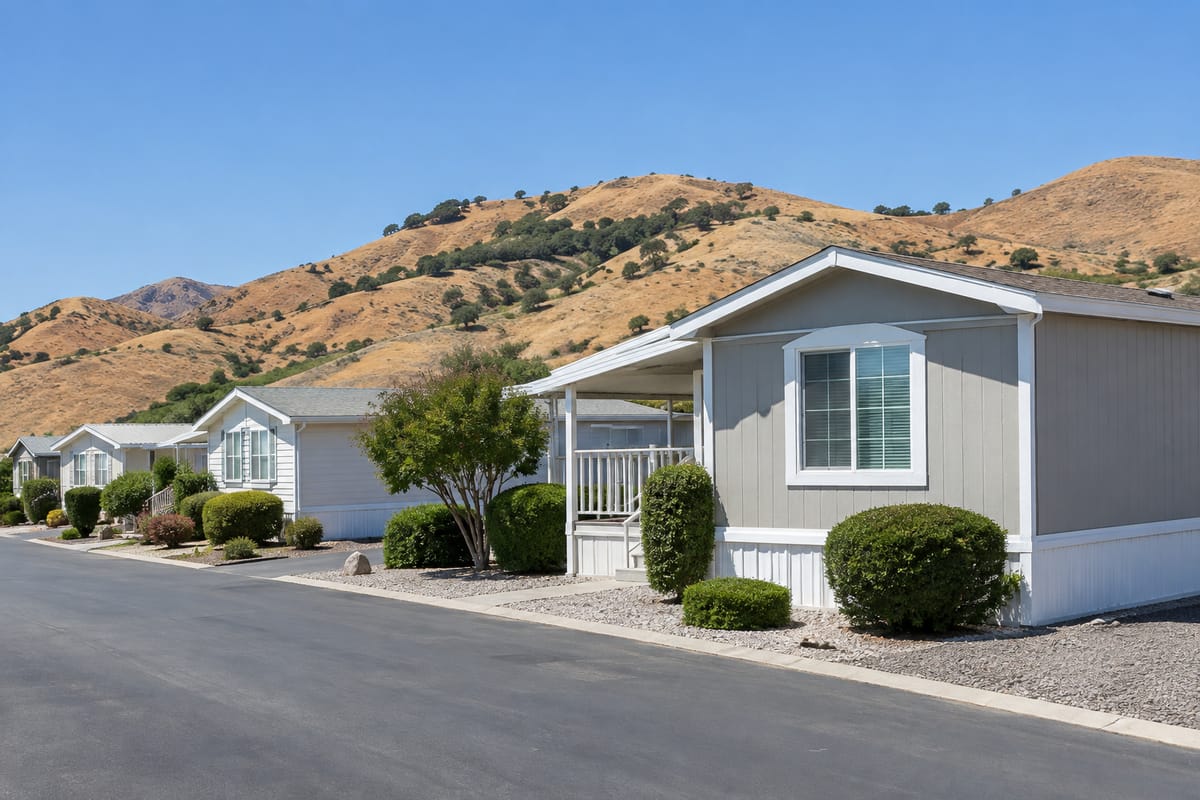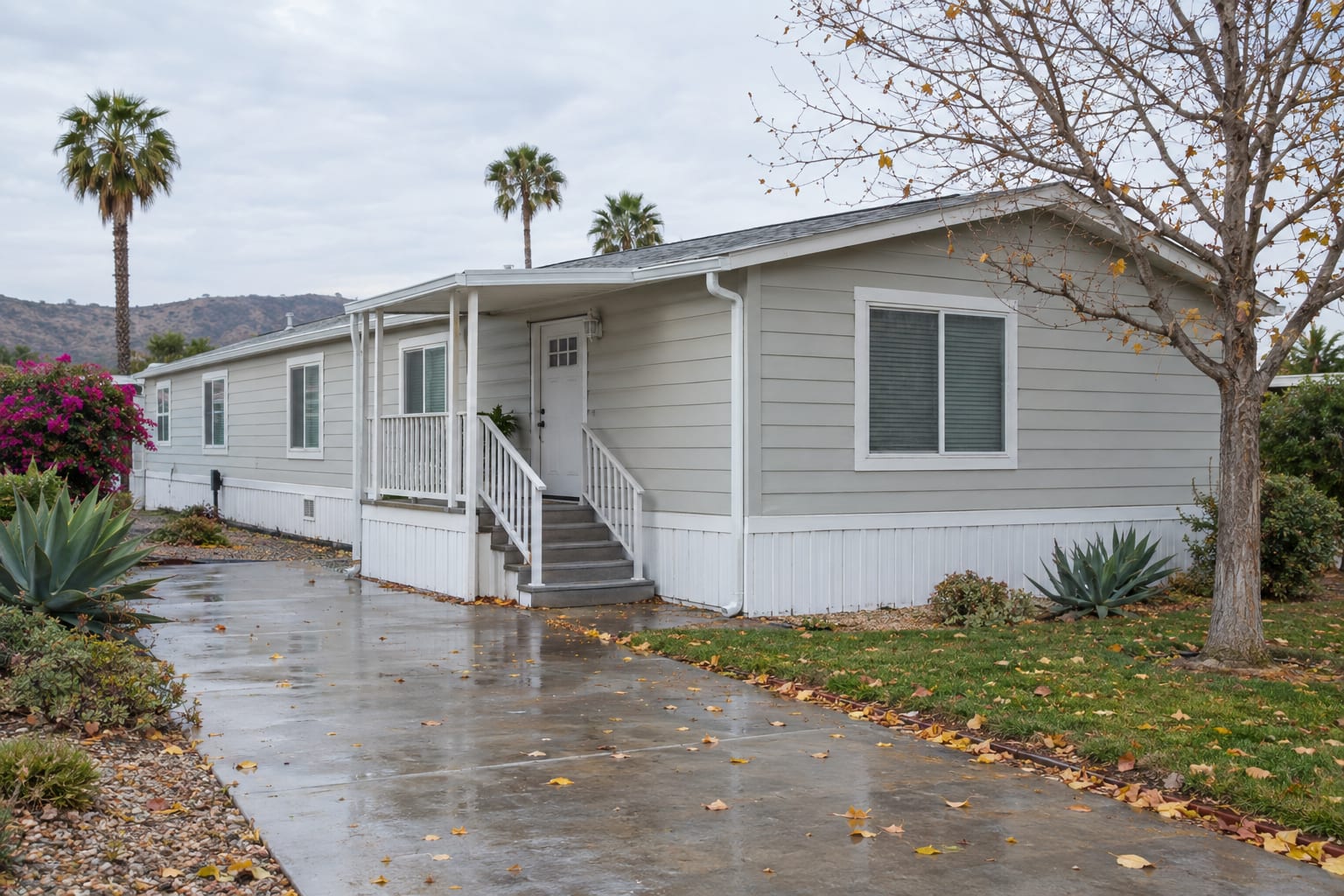
Which Manufactured Home Renovations Matter at Resale

At resale, the work that counts most is the work that shows the home is sound: a roof that does not leak, solid floors, heating and cooling that run, intact skirting and safe steps. A kitchen and bath that are clean and fully working come next.
New finishes help a home show well, but nobody can tell you in advance what a given project will add to the price. That depends on the home, the community and what similar homes nearby have sold for, so ask a local agent or appraiser before you spend.
This article sorts common projects by who notices them. Whether to renovate at all before a sale or a refinance is a separate decision, worked through in should I remodel before refinancing or selling.
Three audiences judge the same home
- The buyer reacts to what a showing reveals: the approach from the street, light, smell, floors underfoot, the kitchen and the bath.
- The appraiser, and the buyer’s lender reading the report, record what the home is, what condition it is in and what comparable homes sold for. An appraisal works by comparison, so style counts for little and deferred repairs count against the home.
- The insurer asks about the things that produce claims: the roof, steps and handrails, heating equipment, and the home’s age and setup. A financed buyer needs a policy before closing.
In a land-lease community there can be a fourth. Management may have its own standards for a home that is being sold and will stay on its space, so ask the office early.
Who tends to notice which update
| Update | Buyer | Appraiser or lender | Insurer |
|---|---|---|---|
| Roof repaired or replaced, with records | Somewhat | Yes | Yes |
| Soft floors and water damage repaired | Yes | Yes | Sometimes |
| Heating, cooling and water heater working | Yes | Yes | Sometimes |
| Skirting, steps and handrails sound | Yes | Yes | Yes |
| New flooring and fresh paint | Yes | As condition | No |
| Updated kitchen or bath | Yes | As far as comparable sales support | No |
| Decor, landscaping, smart devices | A little | Rarely | No |
| Addition or alteration without a permit | As a worry | As a problem | As a problem |
This is a general pattern. What an individual buyer, appraiser or insurance company weighs will vary.
Roof, floors and systems come first
A ceiling stain makes every visitor wonder whether the leak behind it was fixed. Repair the source, then the damage, and keep the invoice. The same goes for soft floors near the tub, the toilet, the water heater and the exterior doors.
Heating, cooling and the water heater are expected to work. If one is failing, replacing it removes an objection; it does not make the home worth more than others that have working systems. In California, HCD’s alteration guidelines list replacement of a furnace, air conditioner, heat pump or water heater as work that needs a permit, so keep the sign-off with the receipt.
Kitchens and baths: clean and working counts for more than new
Start with function. Faucets that do not drip, drains that run, an exhaust fan that pulls air, cabinet doors that hang straight, dry cabinet floors under every sink, and fresh caulk around the tub.
After that, paint and new pulls on sound cabinets, and a new counter where the old one is burned or swollen, are the updates buyers see at a modest cost. The remodeling overview explains how to do them in a manufactured home. A full remodel is a bigger bet, and comparable sales set the limit on what it can return. Keep colors and finishes neutral; a strong personal style narrows the audience.
Flooring and paint are what buyers respond to
Worn carpet and three different floor coverings in four rooms date a home more than its cabinets do. One continuous, neutral floor through the main rooms and fresh paint on the walls are the cosmetic work most likely to change how a showing feels. Fix the subfloor first.
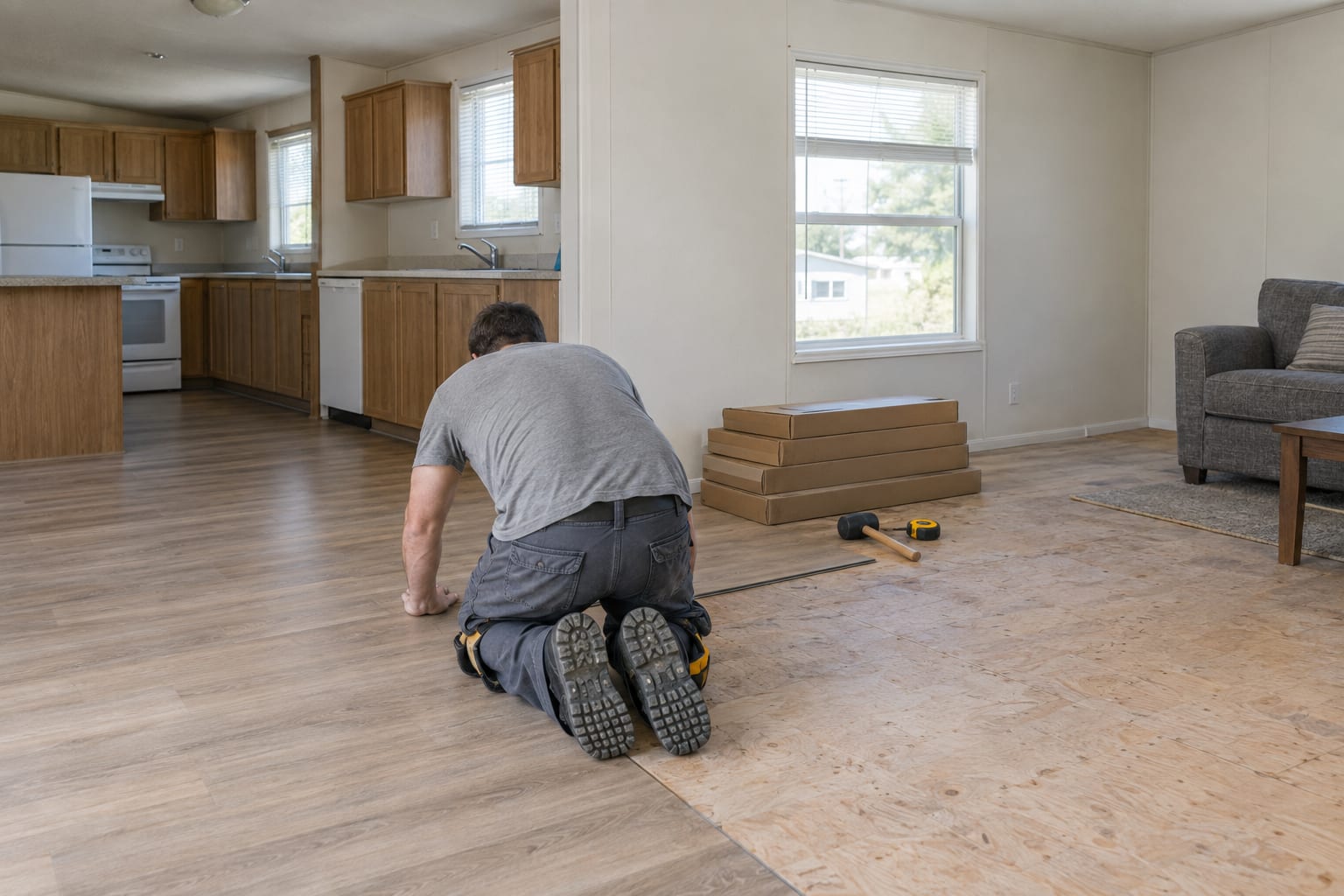
An appraiser records this as condition. It can bring the home level with the better-kept homes among the comparable sales, which is where the value comes from.
Outside, condition matters to buyers and insurers alike
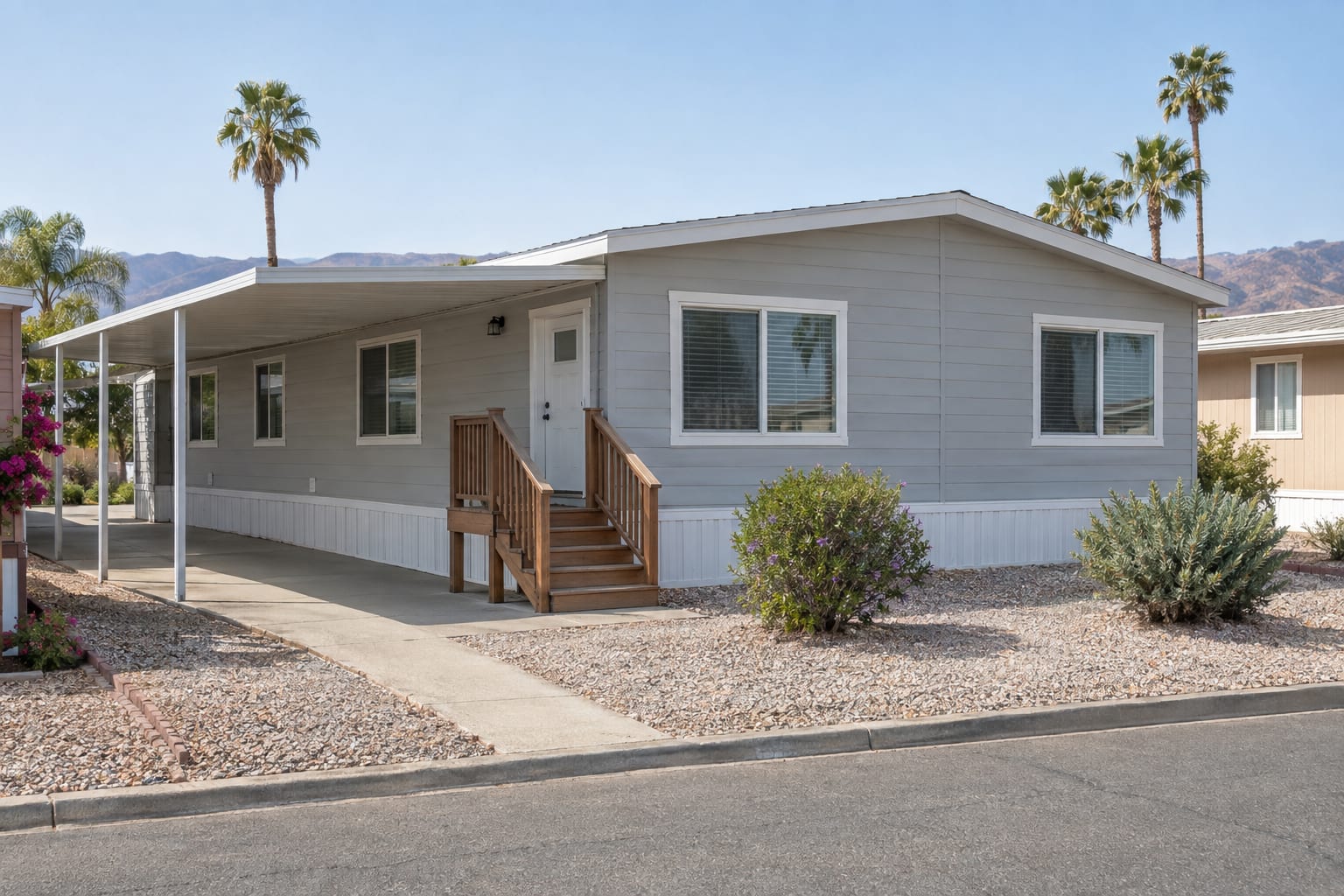
Buyers decide a good deal before they reach the door, and the exterior is also where an insurer’s questions concentrate. Walk around the home and check these:
- Skirting complete, with no missing or broken panels
- Steps and landings solid, handrails firmly attached
- Siding clean, with no loose panels or bare, weathered patches
- Awning and carport posts straight, with no rust at the bases
- Roof edges, gutters and downspouts intact
- Yard tidy, with plants trimmed back from the home
Work that rarely shows up in the price
- Personal or luxury finishes. Materials well above what other homes in the community have do not carry the price past the highest comparable sales.
- Gadgets and decor. Smart thermostats, cameras and staging touches are pleasant and seldom appear in a valuation.
- Fewer bedrooms. Turning a bedroom into a closet or office can place the home against smaller comparable sales.
- Additions without permits. A room that cannot be documented may not be counted, and it can stall a buyer’s loan.
Check the sales and keep the paper
Before you commit to a project, find out what similar homes sold for and what condition they were in. If the home is in a California community, Santiago Financial, Inc. can prepare a comparable sales report for it: a list of the reported sales in that community, not an appraisal, that shows where recent prices have landed. For an Arizona home, ask a local agent or appraiser what has sold. The factors behind those prices are covered in what drives resale value.
In California, permit questions go to HCD, whose page on modifications and alterations links to the current guidelines. In Arizona, ask the Arizona Department of Housing. This is general information, not legal advice. When a sale or refinance is close, preparing for the appraisal visit covers the last two weeks.