
Should I Remodel My Mobile Home Before Refinancing or Selling?
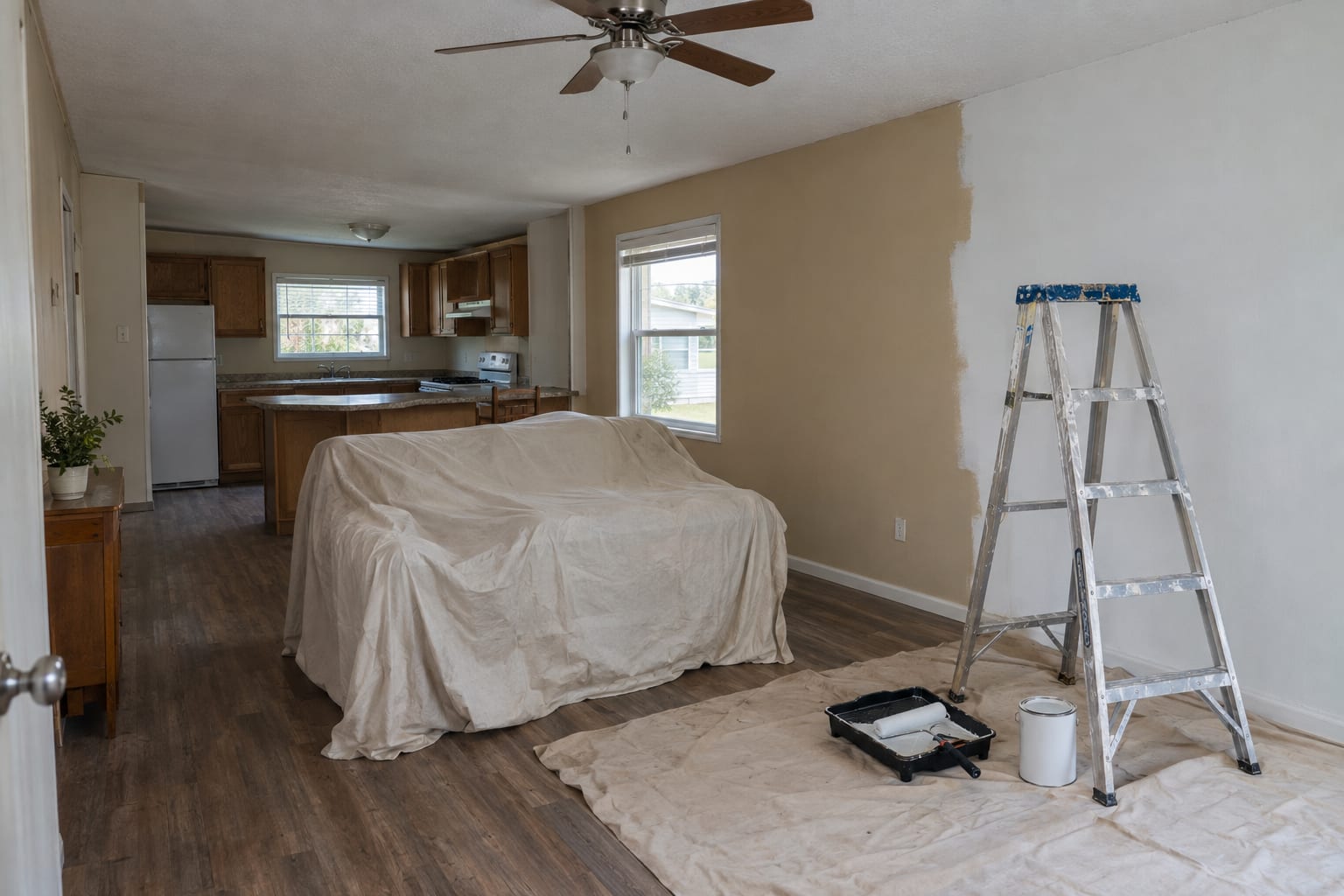
In most cases the answer is to repair, not remodel. Fix anything that is broken, leaking or unsafe before you refinance or sell, because those faults lower what an appraiser or a buyer will support. Be much slower to spend on new kitchens, baths and finishes: an upgrade is only worth what buyers of similar homes have paid for it, and that can be a good deal less than it cost you.
The exceptions are real. A home that lags well behind every recent sale around it, or a remodel you want for your own use over many years, can justify the money. The way to tell is to look at recent sales before you price a single cabinet.
Other sales set a ceiling on what the work can return
A manufactured home is valued by comparison. An appraiser, or a buyer deciding on an offer, looks at what similar homes sold for recently: same community where possible, similar year, size and condition. The highest of those sales marks roughly how far a home like yours can go, whatever you put into it.
For a home in a California community, a comparable sales report from Santiago Financial, Inc. lists the reported sales in that community over the past two years. It is not an appraisal, but it shows the range you are working within. In Arizona, a local agent or appraiser can tell you what has sold.
Repairs come before remodeling
A repair restores something that is supposed to work. A remodel replaces something that works with something newer. They are judged differently.
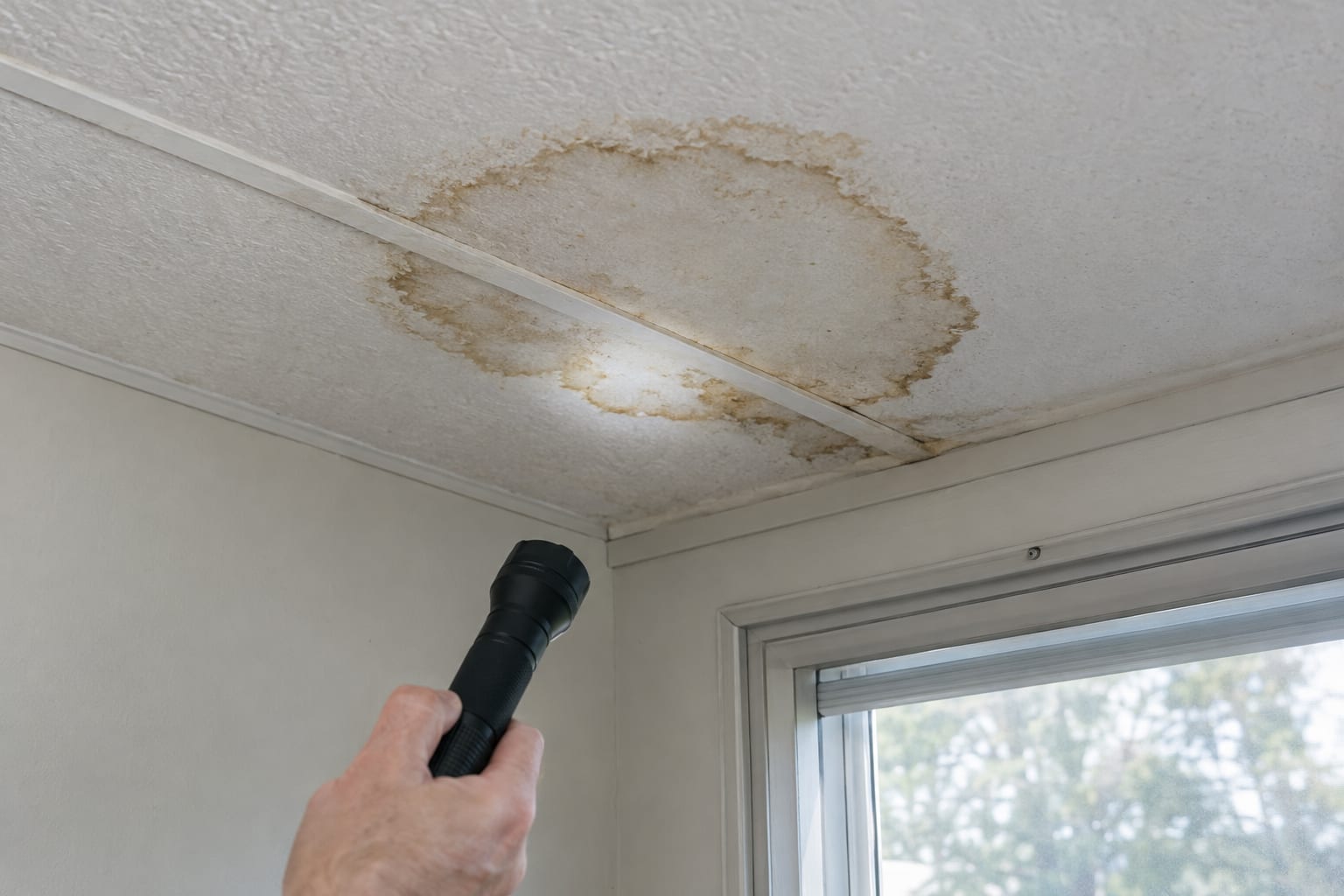
Repairs protect value. A roof leak, a soft floor, failed heating or cooling, missing skirting or loose steps are the faults an appraiser records and a buyer bargains over, and a serious one can stall a buyer’s financing. They also get worse and more expensive while you wait.
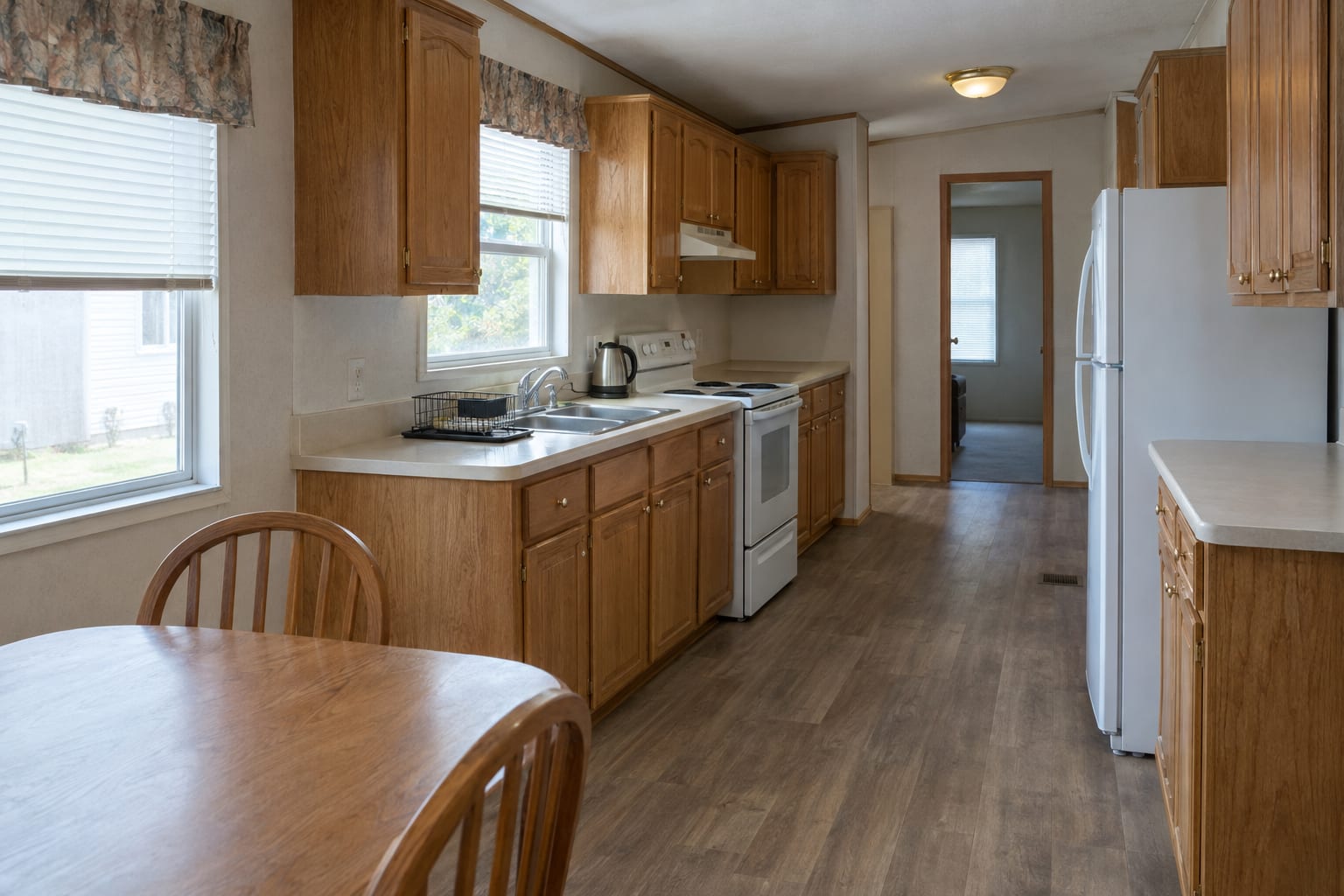
A remodel is a choice. Dated cabinets, older counters and worn carpet are already reflected in what homes like yours sell for. Replacing them may bring the home level with the nicer sales, but it will not carry it past them.
A decision grid for common situations
Remodel, repair or leave it
| Your situation | Lean toward | Why |
|---|---|---|
| Something is leaking, broken or unsafe | Repair it now | It lowers value and can be flagged whether you sell or refinance |
| Finishes are dated but everything works | Clean, paint, and leave the rest | The cost of new finishes often exceeds the gap to the highest comparable sales |
| Refinancing and staying for years | Do the work you want to live with | You get the use of it; do not count on the appraisal to return the cost |
| Refinancing with cash out to pay for the remodel | Plan around today’s value | Equity is measured on the home as it is before the work |
| Selling, and your home is far behind recent sales | Limited cosmetic work | Paint and flooring can bring it in line with the homes buyers are comparing |
| Selling, and short on time or cash | Sell as-is, priced for condition | Unfinished work is worse than none |
If you do decide on a project, the practical side is covered in renovations that affect resale value. If the plan is to pay for it with a larger loan, read cash-out refinancing and what it puts at risk first.
A refinance and a sale are judged by different people
For a refinance, the audience is one appraiser or value review, working from comparable sales and the home’s condition. Style counts for little. What helps is a home with nothing broken, every area accessible and its records in order, which is the subject of preparing for the appraisal visit.
For a sale, there are two audiences. Buyers respond to how the home looks and feels, so fresh paint and clean floors can help it sell even when they add little measurable value. Then the buyer’s lender reviews the value and condition, and in a land-lease community the buyer also has to be approved by the community, which is a separate review.
Permits, community rules and timing can settle the question
Three practical limits often decide the matter before the arithmetic does.
- Permits. In California, HCD requires a permit before work that alters a manufactured home begins; its page on modifications and alterations explains which work counts. In Arizona, take permit questions to the Arizona Department of Housing. Work done without a required permit can raise questions in a value review or a sale. This is general information, not legal advice.
- Community rules. In a community, exterior changes such as siding, awnings, decks and paint colors may need the management’s approval. Ask before you order materials.
- Time. Estimates, permits, contractors and inspections all take time. A project that is half done when the appraiser or the first buyer arrives counts against you.
If you would have to borrow to do the work, add the cost of borrowing to the cost of the project before you compare it with the gap.
Check the decision before you spend
A short test for any project
- Sort the list Write down everything you are considering and mark each item as a repair or an upgrade.
- Price it Get written estimates, including permit costs where they apply.
- Look at the sales Find what similar homes sold for and what condition they were in.
- Do the subtraction Compare the cost of each upgrade with the gap between your home as it is and the highest of those sales.
- Ask before you start Confirm permit and community requirements. If a refinance is the goal, talk with a specialist about how the value will be reviewed and how refinancing works before you commit to the work.


