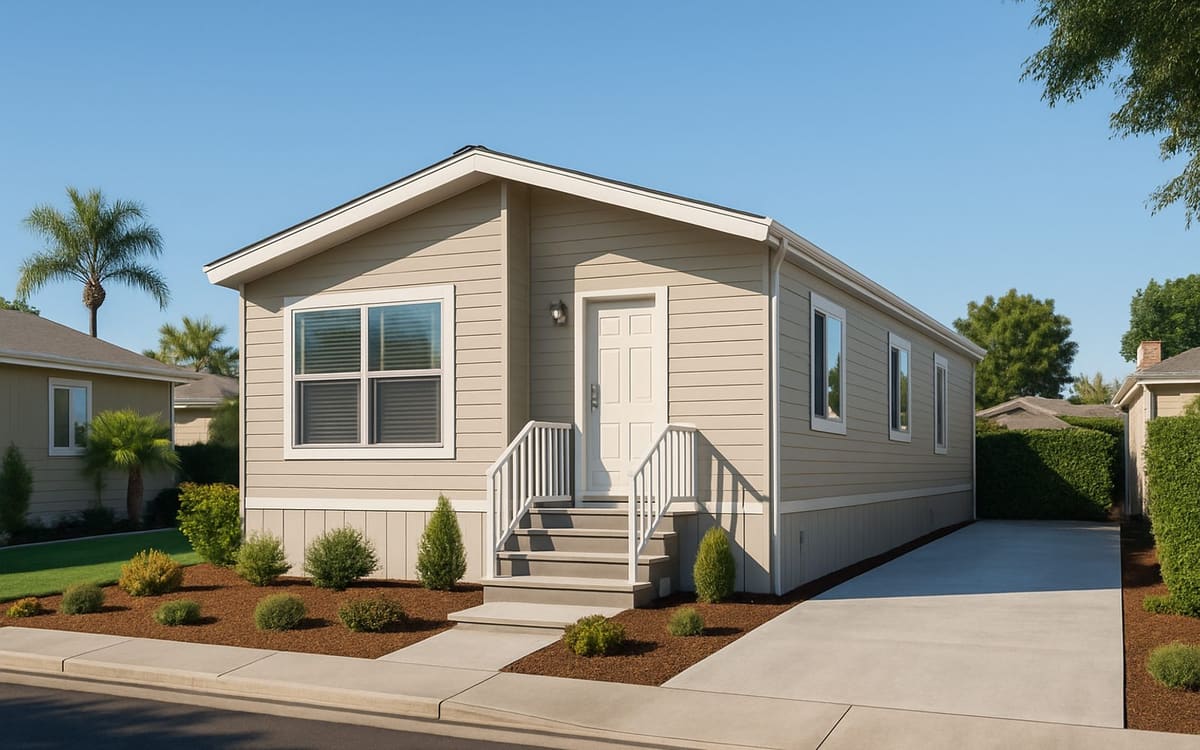
Manufactured Home Appreciation by City: How to Judge a Local Market
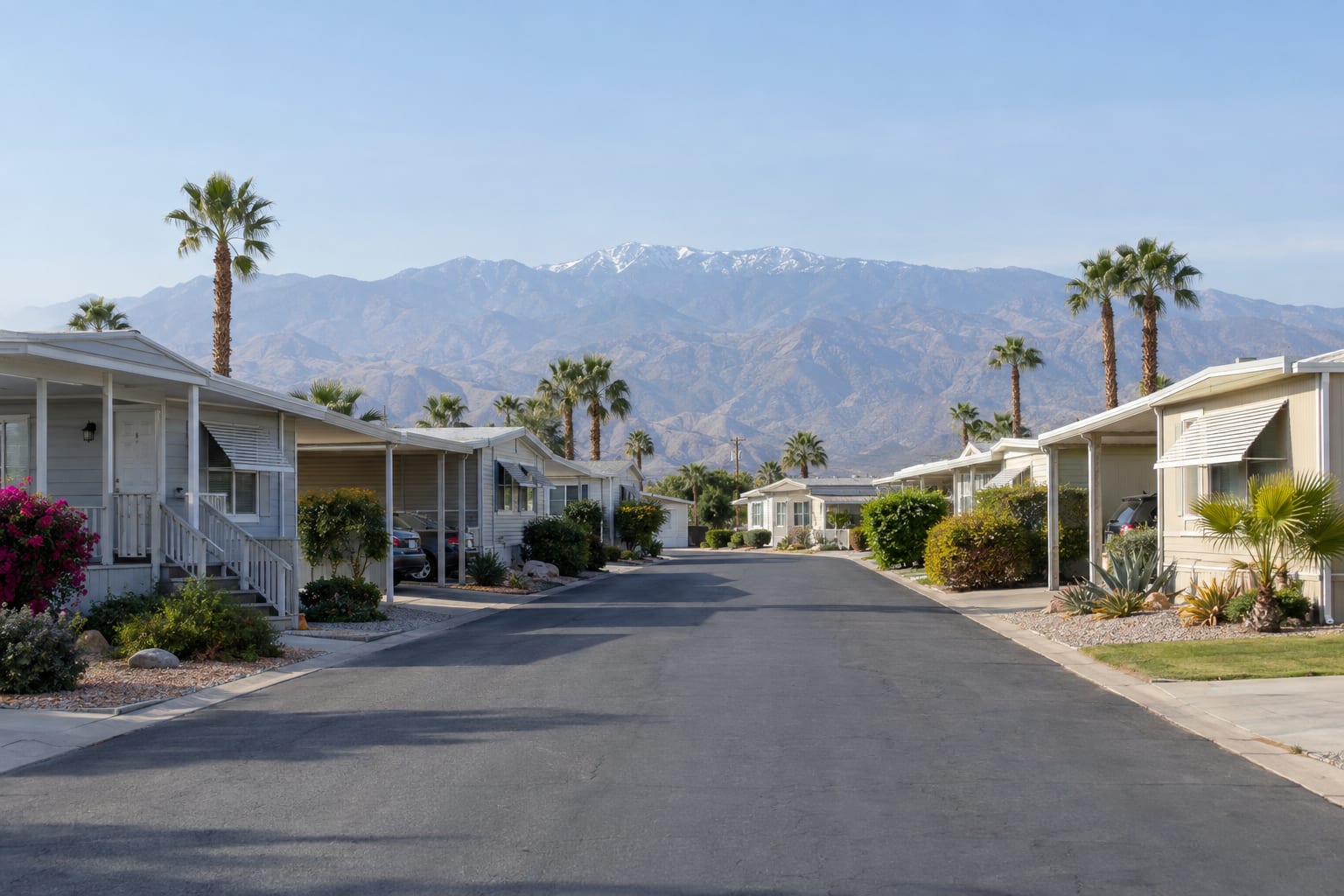
No government source publishes manufactured home resale prices city by city, so any ranking of cities for appreciation is somebody’s opinion, however confident it sounds. What you can do is judge a city yourself. Four checks cover most of it: what similar homes there have actually sold for, how much land and new housing is being added, whether people and jobs are arriving or leaving, and what is happening inside the community you would be buying into.
The checks work the same way in Phoenix, Riverside or Fresno. Ten California and Arizona cities appear near the end, each with a local question worth adding and a link to its city page.
First, decide which kind of home you are judging
A manufactured home sold together with its land and a manufactured home on a rented space are different markets, even when they are a mile apart. With land, the price includes the lot, so the property tends to follow local land and housing prices. On a rented space in a land-lease community, the price covers the home alone, and the space rent and the community carry much of the weight.
So compare like with like. If you are looking at a home in a community, sales of homes on their own lots tell you little, and the reverse is also true. The drivers behind each setup are explained in what drives a manufactured home’s resale value.
Check what similar homes have actually sold for
Sold prices are the only direct evidence of where values have been. Asking prices are what sellers hope for.
For a home in a California community, Santiago Financial, Inc. offers comparable sales reports that list the sales reported in a park you choose over the past two years. Read the report for three things: whether prices for similar homes moved up, down or sideways, how many homes sold, and whether the homes that sold resemble the one you are considering in year, size and condition. A report is not an appraisal, and the service covers California only.
For a home with land, sales are recorded with the county. A local agent or appraiser can pull sales of similar manufactured homes on similar lots. In Arizona communities, ask the listing agent for recent sales in the same community.
For the national and state-level figures that do exist, see manufactured home price trends in California and Arizona.
Look at how much land and new housing is being added
Prices respond to supply as well as demand. Where empty lots are plentiful and new homes keep arriving, an existing home has more competition when it is time to sell. Where a city is built out and new communities are rare, the existing homes are most of what buyers can choose from.
You can check two things yourself. Drive the area and count the vacant lots and new installations. Then, in California, use HCD’s Find a Park search to look up the parks on record in a city or county. Neither tells you where prices are going, but together they show whether supply is tight or loose.
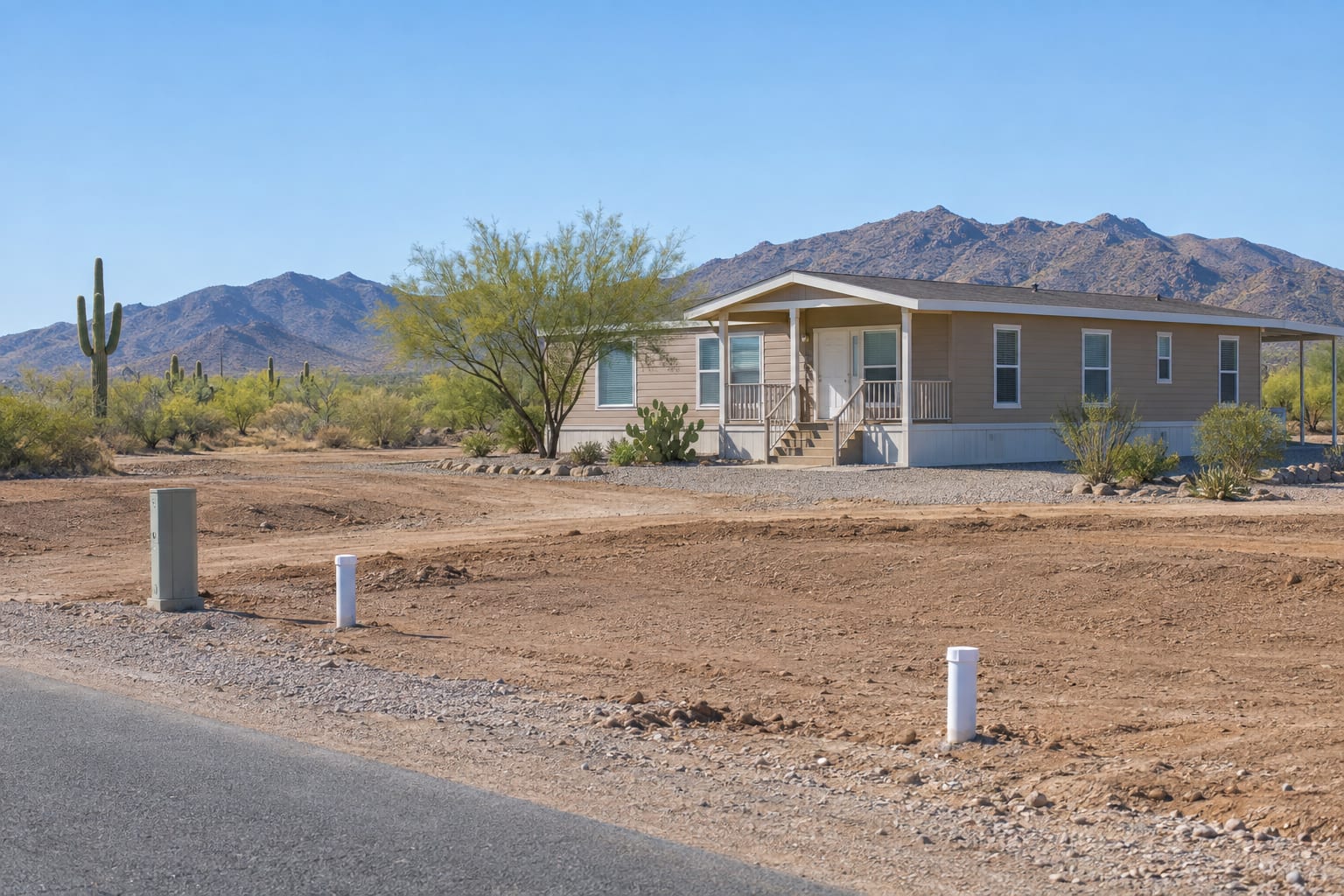
See whether people and jobs are arriving or leaving
Housing demand follows people and paychecks. The Census Bureau’s QuickFacts shows population change for cities and counties, and the Bureau of Labor Statistics publishes local employment and unemployment figures for counties and metropolitan areas.
Read them for direction, not precision. A city that has added residents and jobs for several years has more people looking for housing than one that has been losing both. That supports demand for every kind of home, including manufactured homes, without promising anything about a particular one.
Find out what is happening inside the community
For a home on a rented space, the community can matter more than the city. Two communities in the same zip code can have very different rents, rules and upkeep, and buyers pay accordingly. Ask the community office, the seller and the neighbors.
Many homes for sale at once, empty spaces, or a run of steep rent increases are reasons to look harder before you buy. A stable rent history and few homes on the market point the other way.
Ten cities and a local question for each
Each of these ten cities has its own page on this site. The list is in alphabetical order by state. It is not a ranking, and it makes no claim about where prices are headed. Each row names the county that keeps land records and adds one question that local conditions make worth asking early.
A local question to add to the four checks
| City | County | Ask this as well |
|---|---|---|
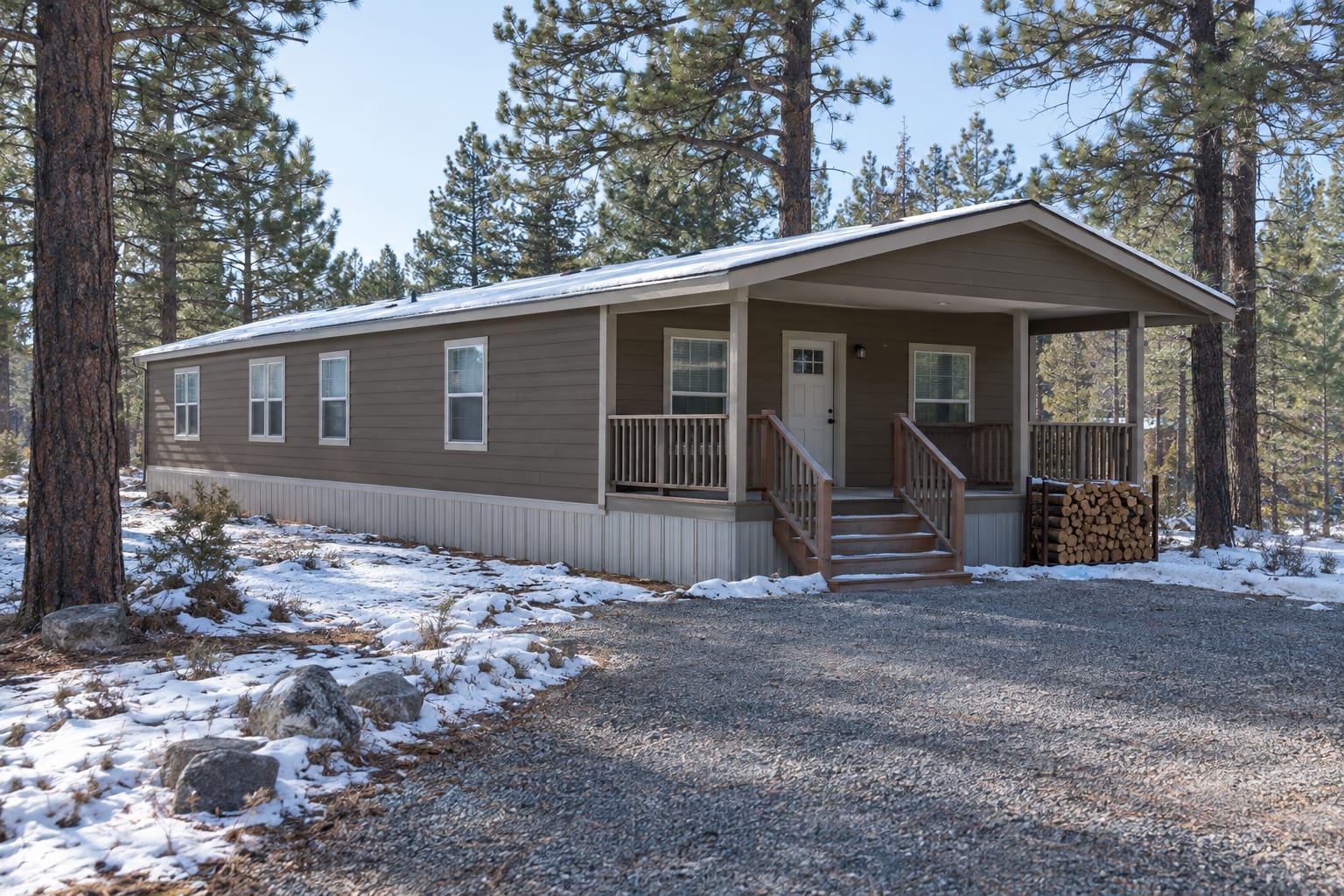
| Flagstaff | Coconino | Was the home built for mountain snow? The data plate lists the roof-load zone it was designed for. |
| Phoenix | Maricopa | Is it in a community or on its own lot? Compare sales within the same setup, and ask how old the cooling system is. |
| Tucson | Pima | For a lot outside the city, what are the water source, the septic system and the road access? |
| Yuma | Yuma | Will you live there all year? Ask whether the loan program and the community require a primary residence. |
| Bakersfield | Kern | For a home on its own land, is a 433A on record with the county? |
| Fresno | Fresno | Is the home in the city or on a county parcel? Outside the city, ask about the well, the septic system and who maintains the road. |
| Riverside | Riverside | Does a local mobilehome rent ordinance cover this community? Get the rent history either way. |
| Sacramento | Sacramento | Is the address in a mapped flood zone? Price the insurance before you offer. |
| San Bernardino | San Bernardino | Valley floor, foothills or high desert? Check the fire hazard zone and get an insurance quote early. |
| San Diego | San Diego | What is the space rent, and how has it changed? In a high-cost coastal county it is a large part of the monthly total. |
Every one of these questions can come up anywhere. To check hazards for a specific address, FEMA’s Flood Map Service Center shows mapped flood zones, and CAL FIRE publishes California’s fire hazard severity zones.
If you are shopping in California and the homes you like sell before you can act, the next thing to read is how to prepare for a competitive California market.
A city’s outlook does not change how your loan is reviewed
It is sometimes said that buying in a rising market earns better loan terms. It does not. A loan is measured against the value that comparable sales or an appraisal support today, and it is reviewed on your income, your credit and the home itself. Nobody lends against a forecast.
The safer plan is to buy a home whose total monthly cost works for you even if its value never rises. You can estimate the full monthly cost, including space rent, with the payment calculator. The results are educational estimates, not a loan offer.
This article is general information, not investment advice. Local records, maps and ordinances change, so confirm them with the agency that keeps them.