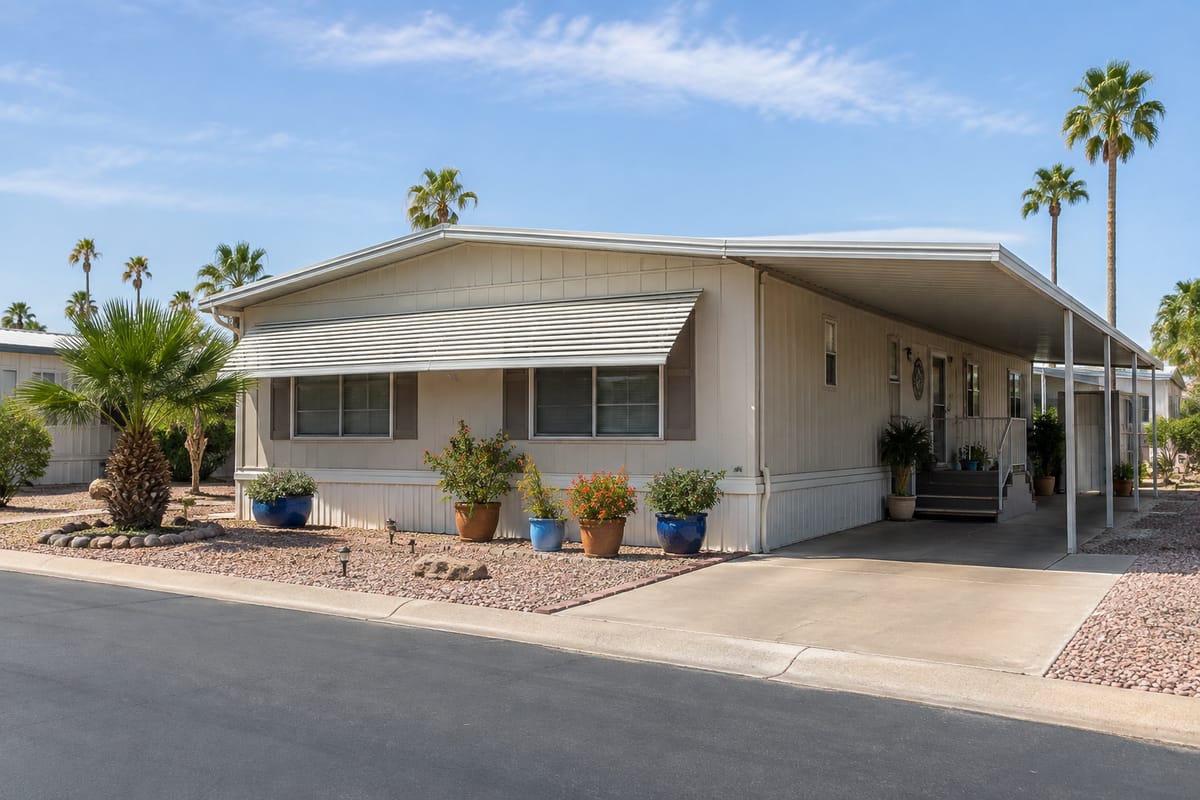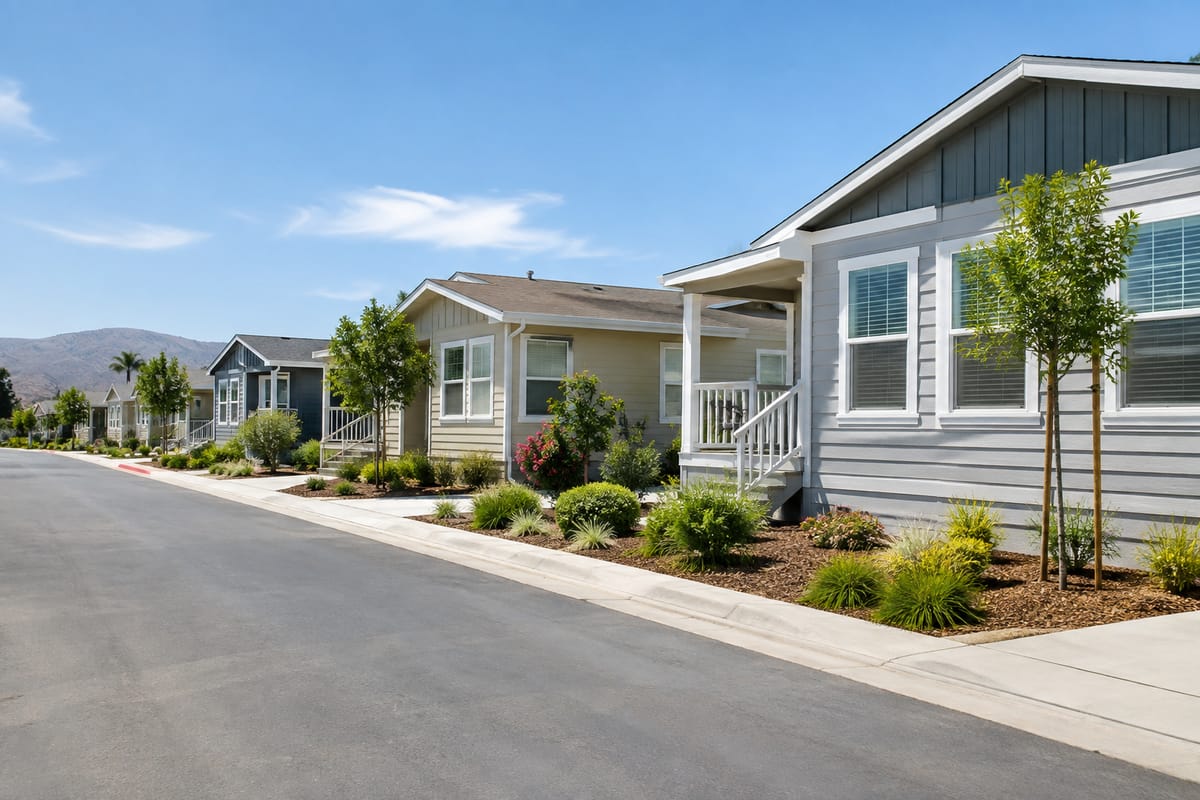
Manufactured Home Appreciation Trends in California & Arizona (2015–2025)

For decades, manufactured homes were unfairly lumped into one category: depreciating assets. Old stigma. Old data. Wrong conclusions.
From 2015 to 2025, manufactured homes in California and Arizona quietly proved something important:
When the conditions are right, manufactured homes do appreciate — and in some cases, quite well.
This guide breaks down what has actually happened over the last decade, what drives appreciation (and what kills it), and how buyers and homeowners should think about value going forward.
No hype. Just real trends.
The Big Shift: Manufactured Homes Behaving More Like Real Estate
The single biggest change over the last 10 years isn’t price alone — it’s how manufactured homes are treated.
Between 2015 and 2025:
- More manufactured homes were titled as real property
- More buyers used mortgage-style financing
- More communities became long-term owner-occupied instead of short-term rentals
These changes pushed manufactured homes closer to traditional housing behavior, especially in high-demand states like California and Arizona.
2015–2025: What Actually Drove Appreciation
Manufactured home appreciation didn’t happen evenly. It followed very predictable patterns.
Homes that appreciated the most typically had:
- Owned land (not leased land)
- Permanent foundations
- Mortgage-style financing
- Strong local housing demand
- Consistent maintenance and upgrades
Homes that lagged or stagnated often had:
- Rising space rent
- Weak community management
- Older construction without updates
- Limited financing options
- Low local demand
This distinction matters — a lot.
California Manufactured Home Appreciation Trends (2015–2025)
California is one of the most expensive housing markets in the country. That pressure alone has reshaped how manufactured homes are valued.
What happened in California over the decade:
- Overall demand for affordable housing surged
- Traditional homeownership became unreachable for many buyers
- Manufactured homes absorbed overflow demand
Appreciation patterns in California:
- Manufactured homes on owned land generally tracked modest but steady appreciation
- Park-based homes saw mixed results — some appreciated, others flattened
- Coastal-adjacent and commuter markets performed better than rural markets
Why appreciation held up:
California didn’t suddenly become cheaper — but manufactured homes offered something buyers desperately needed: a realistic entry point into ownership.
When demand stays high and supply stays limited, values don’t collapse.
Arizona Manufactured Home Appreciation Trends (2015–2025)
Arizona’s manufactured housing story is different — and in some ways stronger.
Key Arizona trends:
- Rapid population growth
- Strong in-migration from higher-cost states
- More available land for manufactured homes
- Greater acceptance of manufactured homes as primary residences
Appreciation patterns in Arizona:
- Land-and-home properties performed best
- Metro-area homes (Phoenix, Mesa, surrounding suburbs) outperformed rural areas
- Park-based homes showed moderate appreciation mainly due to affordability pressure
Where land was involved, appreciation tended to be more stable and predictable than in many California markets.
The Land Factor: The Single Biggest Driver of Appreciation
If you remember one thing from this article, remember this:
Manufactured homes don’t appreciate — land does. The home benefits when it’s part of the land.
From 2015–2025:
- Manufactured homes on land behaved increasingly like traditional homes
- Home-only properties (parks) depended heavily on rent stability and local demand
This doesn’t mean park homes are bad — it means buyers should manage expectations.
Park-Based Homes: Appreciation vs. Affordability Trade-Off
Homes in manufactured home parks serve a vital role — affordability.
But from a value-growth standpoint:
- Appreciation is usually slower
- Value is tied closely to space rent
- Community management matters enormously
What helped park-based homes hold value:
- Resident ownership or stable ownership groups
- Reasonable rent increases
- Well-maintained infrastructure
- Good location near jobs, healthcare, or retirement populations
From 2015–2025, park homes appreciated most reliably when monthly costs stayed predictable.
The Interest Rate Years (2020–2024): What Changed
The rising rate environment created two unexpected effects:
- Traditional homebuyers were priced out
- Manufactured homes became more attractive, not less
Higher mortgage rates pushed buyers toward:
- Lower purchase prices
- Smaller homes
- Manufactured housing as a long-term solution
That demand helped support pricing, even during rate volatility.
How Condition & Upgrades Impact Appreciation
Manufactured homes that appreciated best between 2015 and 2025 shared common traits:
- Updated roofs, HVAC, plumbing, and electrical
- Modern kitchens and bathrooms
- Clean interior and exterior presentation
- Energy-efficiency improvements
Condition mattered — maybe even more than location in some cases.
The Credit & Financing Effect on Value
Financing availability plays a quiet but powerful role in appreciation.
Homes that qualify for:
- Mortgage financing
- Longer loan terms
- More lenders
…naturally attract more buyers and stronger resale demand.
Homes limited to:
- Short-term chattel loans
- Cash buyers only
- Narrow lender pools
…tend to appreciate more slowly.
Between 2015–2025, financing access became a value multiplier.
What Appreciation Looked Like (Realistic Ranges)
Without pretending manufactured homes all skyrocketed, here are realistic appreciation patterns over the decade:
- Manufactured homes on owned land: Often saw steady, modest appreciation similar to entry-level site-built homes
- Park-based manufactured homes: Appreciation varied widely — from flat to moderate growth depending on rent stability
- High-demand metro regions: Outperformed rural or declining areas
Manufactured homes didn’t “beat the stock market” — but they beat renting.
Risks That Still Hold Manufactured Homes Back
Appreciation isn’t guaranteed.
Risks that hurt values:
- Aggressive space rent increases
- Poor community maintenance
- Deferred home upkeep
- Weak job markets
- Limited buyer financing options
Most depreciation stories trace back to structural issues, not manufactured housing itself.
What This Means for Buyers
If appreciation matters to you:
Favor land + home when possible Choose stable communities Buy where demand is real (not hype-driven) Maintain and upgrade the home Understand financing pathways
Manufactured homes are no longer “throwaway housing” — but they must be chosen wisely.
Final Takeaway: Manufactured Homes Earned Their Seat at the Table
Between 2015 and 2025, manufactured homes in California and Arizona proved something important:
They can be affordable, livable, and financially sensible at the same time.
No, they won’t outperform luxury real estate. Yes, they can build stability and equity — especially when paired with land or strong communities.
Need Help Evaluating Value or Options?
At Santiago Financial, Inc., we’ve been working in manufactured home financing and market analysis for over 50 years — through multiple market cycles.
Call (800) 232-3908 Or apply online to discuss financing options that fit both budget and long-term goals.