How Mobile and Manufactured Home Loans Work in California
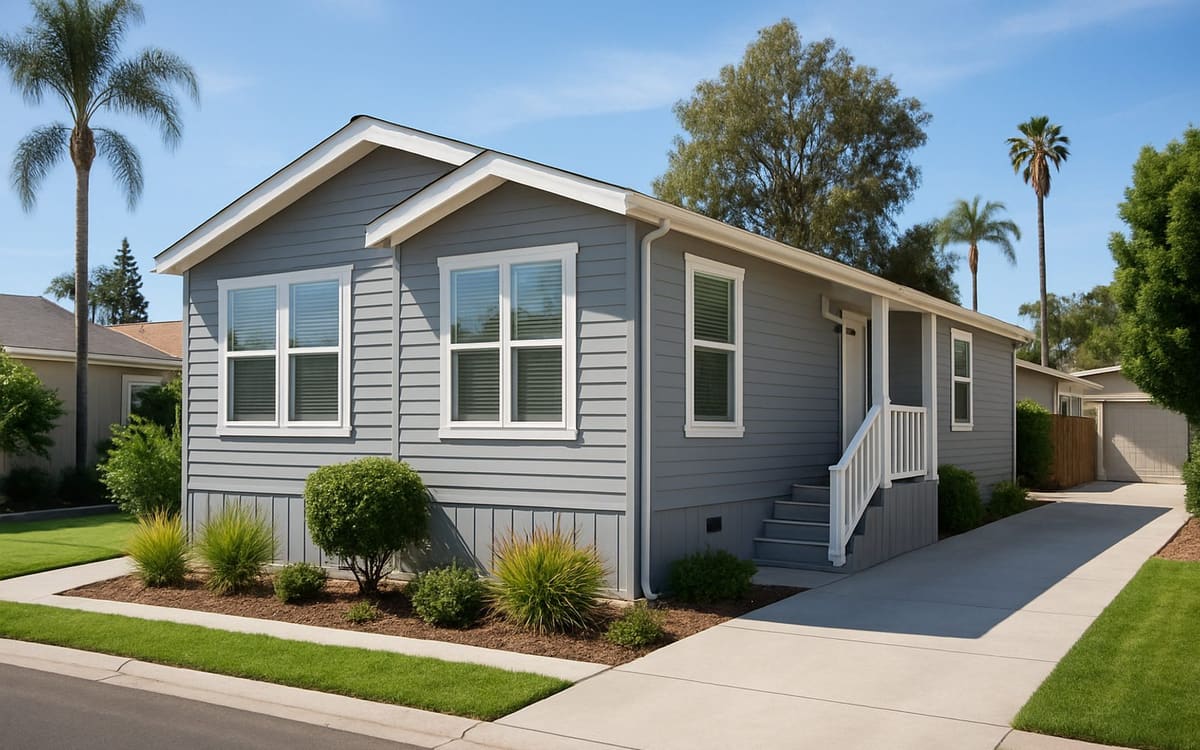
In California, how a manufactured home loan works depends first on what is under the home. If the home sits on a rented space in a community, the loan covers the home alone and the state housing department, HCD, holds its title. If the home is permanently attached to land you own and recorded with the county, the home and land can be financed together as real estate.
The paperwork, the people involved and the monthly cost all follow from that. Most buyers need only one of the two routes below, and each section points to the guide that goes deeper.
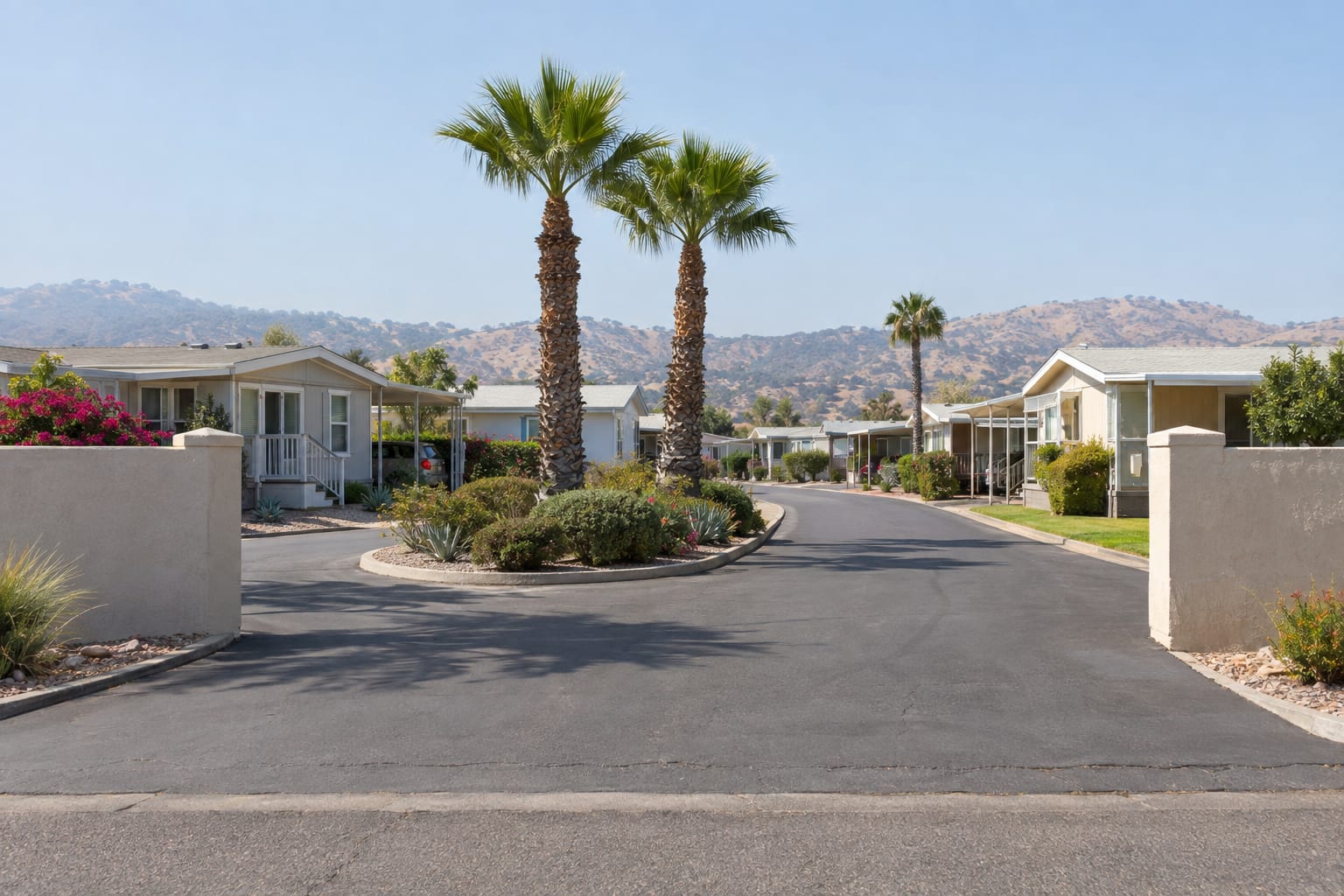
In a community, the loan covers the home and the park keeps the land
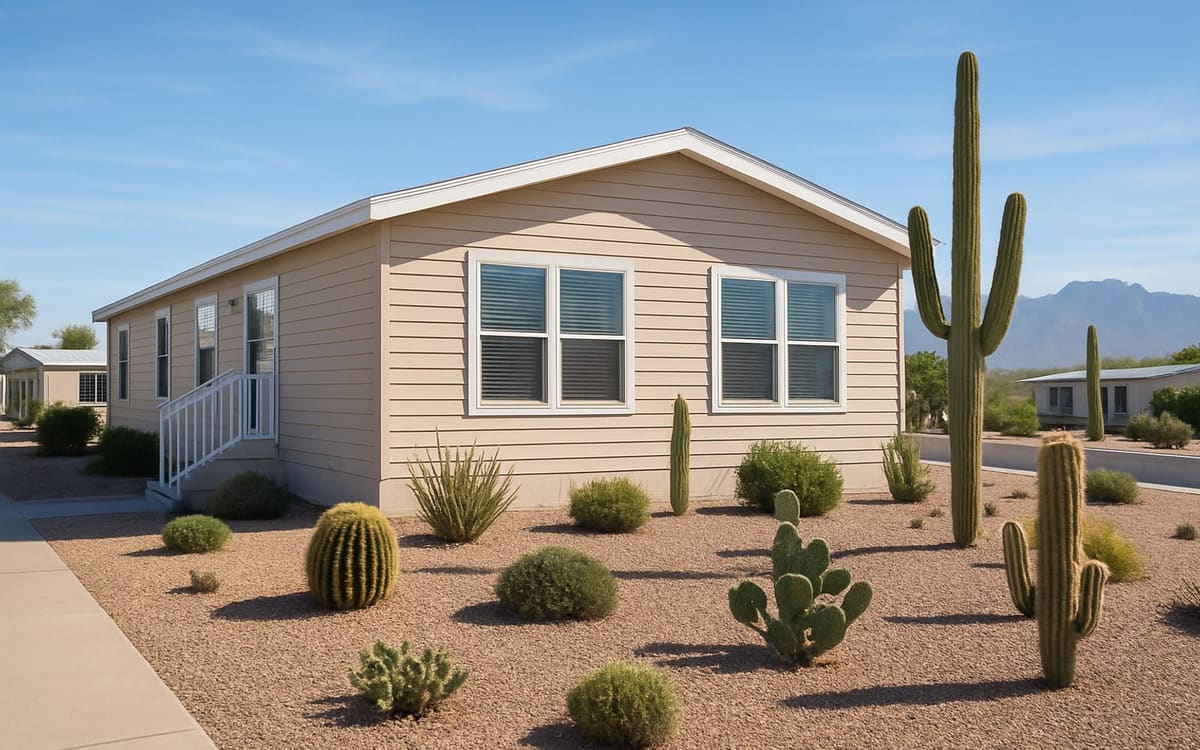
Most manufactured homes in California communities sit on leased land: you own the home and rent the space. The home is personal property, titled on its own, and it is financed with a home-only loan, also called a chattel loan.
Two things come with this setup. Space rent is paid on top of the loan payment, and lenders count it when they compare your housing cost with your income. The community also runs its own resident application and sets rules on age, pets, occupancy and renting, so read how park rules affect a purchase before you make an offer.
Park tenancies have their own state law, the Mobilehome Residency Law. HCD’s consumer information page is the place to start.
On land you own, the home and land can be financed together
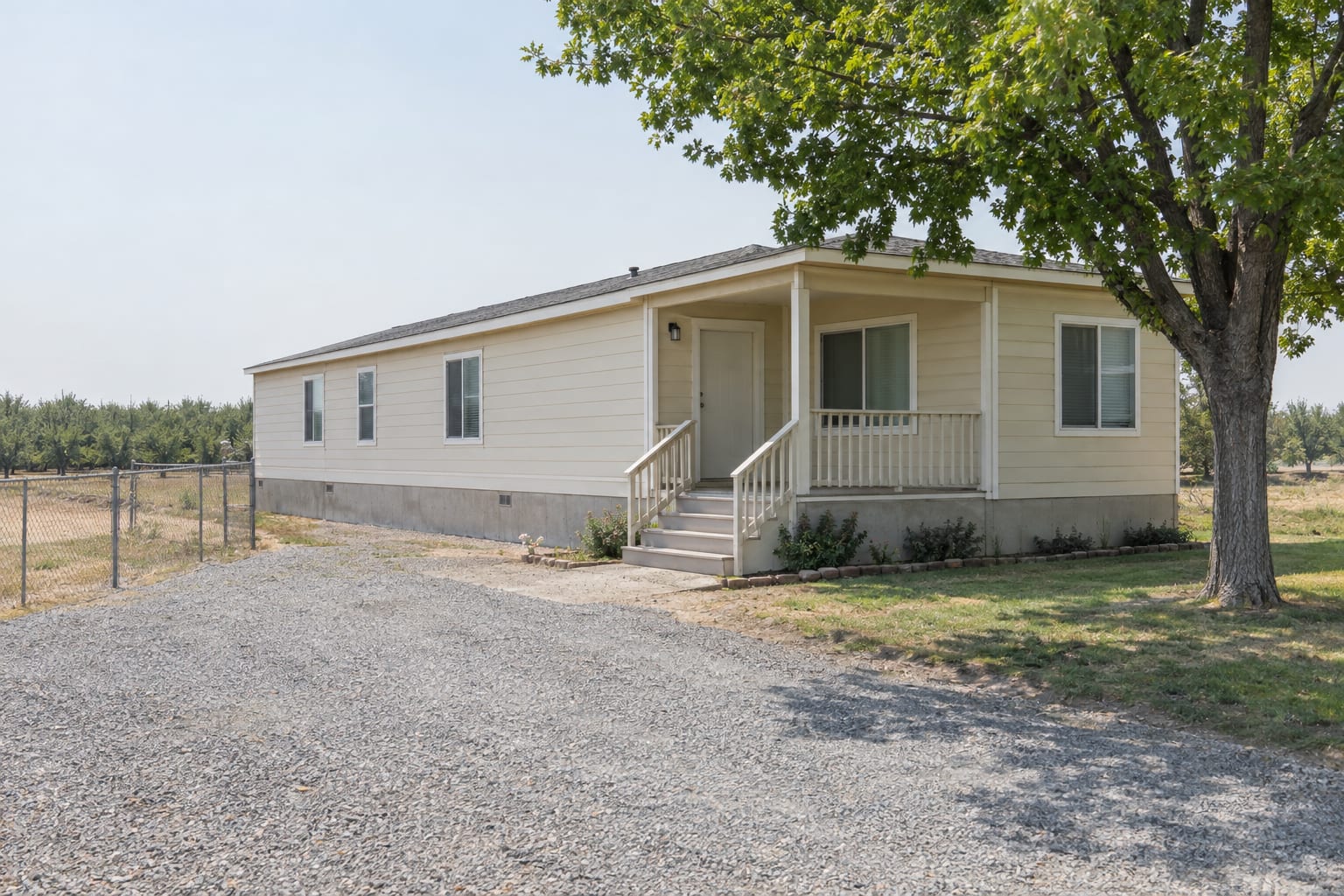
A home on its own lot can go either way. If it was installed on an approved foundation system and HCD Form 433A was recorded with the county, it is real property. It can then be financed with the land in one loan, with one appraisal covering both.
If that record was never made, the home is still titled through HCD and financed as personal property, even though the land is yours. A recorded 433A is an important property record, but it does not by itself mean financing is available. What a 433A is and why it matters explains the form and what to verify.
How the two setups compare
A California home in a community and a home recorded with its land
| What differs | Home in a land-lease community | Home recorded with land you own |
|---|---|---|
| What the loan covers | The home | The home and the land |
| Ownership record | HCD title | Deed, with a 433A recorded at the county |
| Monthly housing cost | Loan payment, space rent, insurance, taxes, utilities | Loan payment, property tax, insurance, utilities |
| Approvals needed | The lender’s and the community’s | The lender’s |
| Value review | The home, using comparable sales or an appraisal | The home and land appraised together |
California titles manufactured homes through HCD, not the DMV
California titles and registers manufactured homes through HCD (the Department of Housing and Community Development), not the DMV. HCD describes the program on its registration and titling page.
In a purchase the title record is checked early. The seller named on it should be the person selling, any existing loan on the home has to be paid off through escrow, and the serial numbers should match the home. California HCD title basics covers what to look for.
Taxes run through the same records. A titled home pays either an annual license fee to HCD or local property tax to the county, depending on when it was first sold new, and a home on an approved permanent foundation is assessed as real property. The Board of Equalization explains the split in its manufactured home FAQ. This is general information, not legal or tax advice.
One more term: people say “mobile home” for homes of any age, but technically it means a factory-built home from before June 15, 1976, when the federal HUD Code took effect. Lenders treat those older homes differently, so mention the build year at the start.
Who is involved in a California purchase
Who does what
| Party | What they do |
|---|---|
| Seller or dealer | Signs the purchase agreement and delivers the home’s title, or the dealer’s paperwork on a new home |
| The community (leased land only) | Reviews your resident application and sets the space rent and rules |
| Loan specialist and lender | Santiago Financial, Inc. takes your application and coordinates the file. The lender or investor whose program fits reviews it against current guidelines |
| Escrow | Holds funds and documents, pays off any existing loan and releases everything when each condition is met |
| HCD and the county | Keep the records that show who owns the home and how it is classified |
| Appraiser and insurer | Support the home’s value and provide the policy the lender requires |
Community approval and lender approval are separate reviews. A purchase on leased land needs both.
What happens after you apply
The order is the same broad arc as any home loan: application, review and decision, documents and conditions, value review, title and escrow, signing, funding. For a home in a community, the park’s approval runs alongside.
Timelines vary with each transaction. The usual reasons for a wait are appraisal scheduling, community approval, title questions and missing documents. How the loan process works walks through each stage and what you do at each one.
Santiago Financial finances manufactured homes in every California county. The California manufactured home loans page lists the areas served, city by city. All financing is subject to credit approval, and not all applicants or homes qualify.