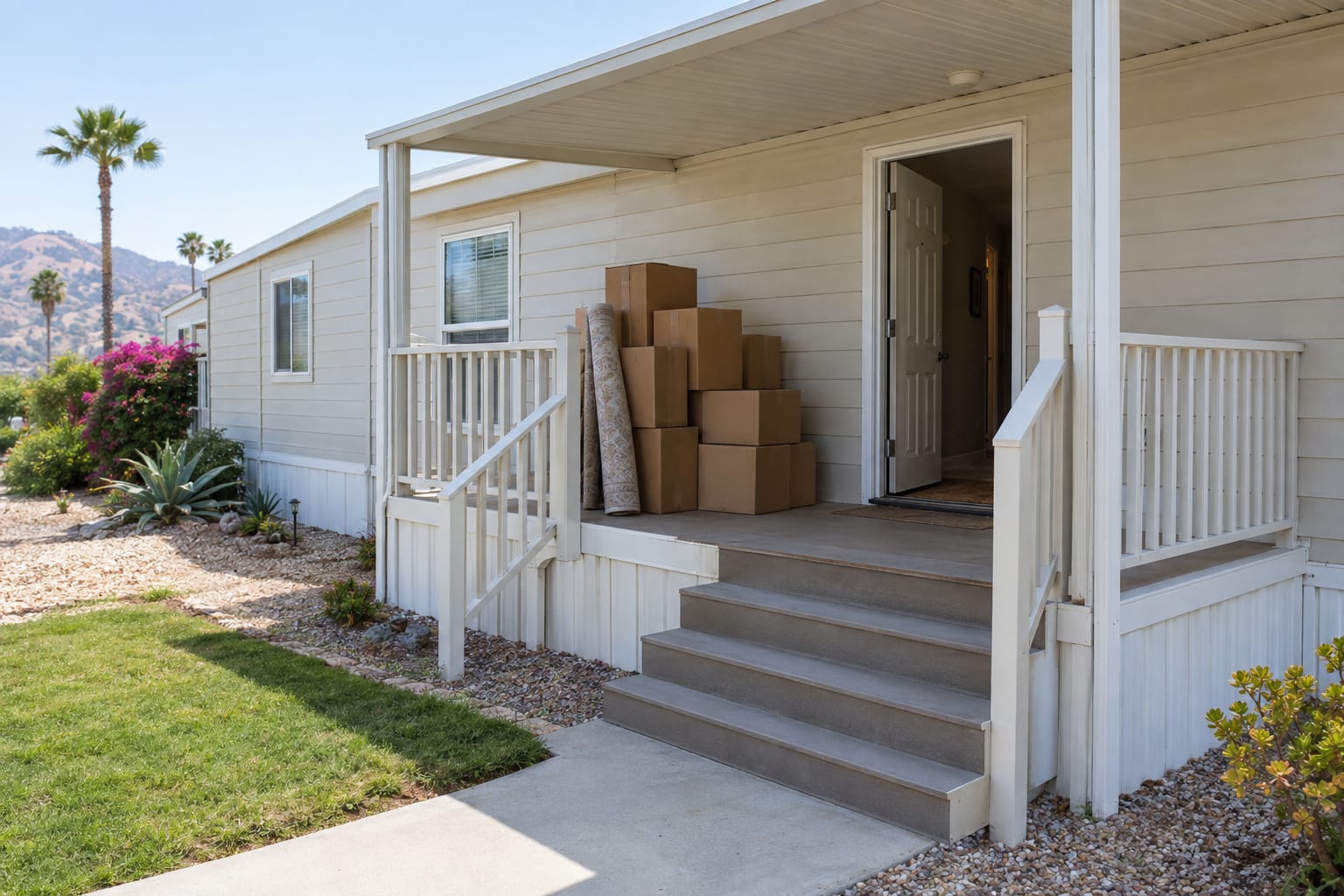
How Park Rules Can Affect Your Manufactured Home Purchase
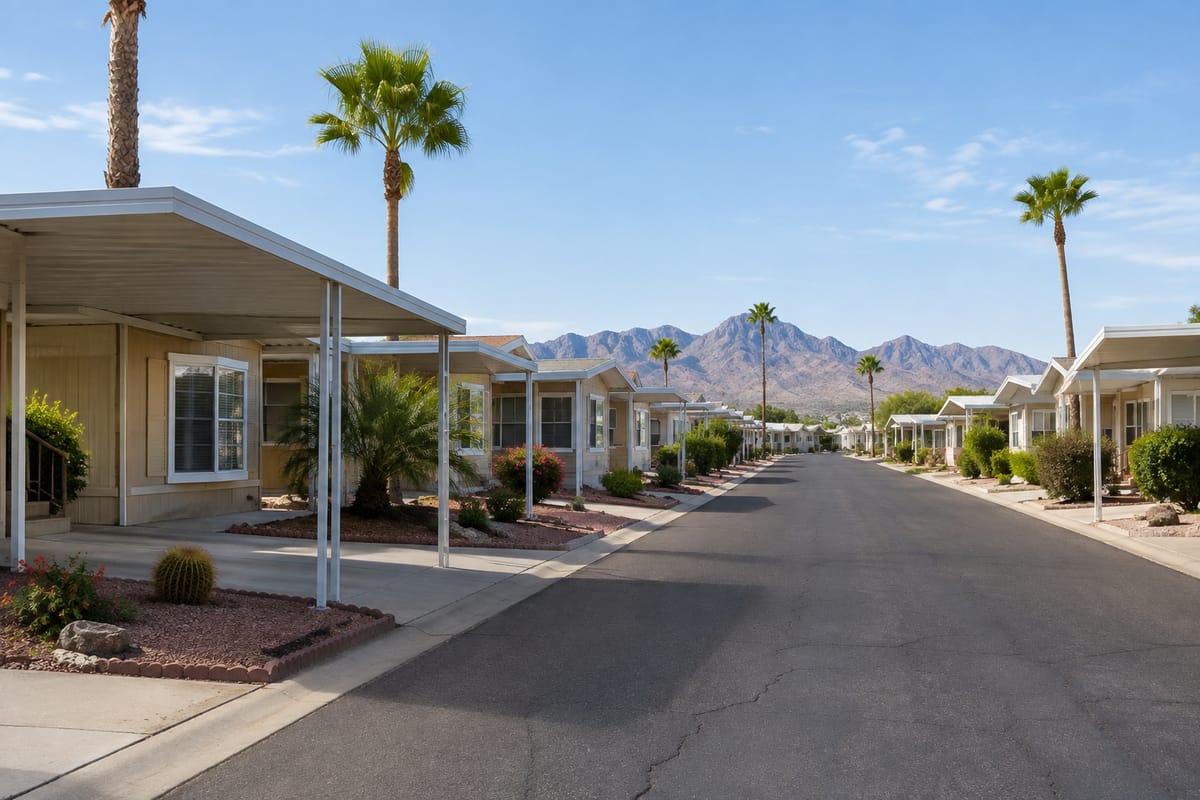
When you buy a manufactured home in a community, you also agree to live by the community’s rules, and a single rule can decide whether the home works for you: an age requirement you do not meet, a limit of one pet when you have two, an adult child who plans to move in, a plan to rent the home out later.
Ask the office for the current rules and regulations before you make an offer, and read them against how your household lives now and how it might change. The rules apply to every resident, so the time to find a conflict is before you sign anything.
Where the rules come from
A community’s rules and regulations are a written document, usually handed over with the resident application and referred to in the rental agreement for your space. Get the current version from the office and check the date of the latest revision. A seller’s or agent’s summary is not the rules, and rules are amended over time.
The rules sit under state law. California’s Mobilehome Residency Law, which the state’s Department of Housing and Community Development (HCD) links from its page on your rights as a mobilehome park resident, and the Arizona Mobile Home Parks Residential Landlord and Tenant Act (Title 33, Chapter 11 of the state statutes) both cover park rules, including how they can be changed. This article is general information, not legal advice.
The rules that most often change a buyer’s plans
Most rule books run to many pages. These seven subjects are where buyers most often find a problem.
Community rules to read before you make an offer
| Rule | What to ask the office | Who it matters most to |
|---|---|---|
| Age qualification | Who in the household has to meet the age, and what applies to anyone younger? | Couples with an age gap; anyone expecting a relative or caregiver to move in |
| Pets | How many, what kinds, any size or breed limits, any fee? | Owners of more than one pet or of a large dog |
| Occupants and guests | Who may live in the home, and how long may a guest stay? | Multigenerational households; families expecting long visits |
| Renting the home out | Is renting or subletting allowed at all? | Seasonal owners; anyone thinking of the home as a future rental |
| Exterior changes | What needs written approval before work starts? | Buyers planning a shed, deck, ramp or awning |
| Vehicles and parking | How many vehicles per space, and where do RVs, boats and trailers go? | Households with several drivers; RV and boat owners |
| Selling the home later | How is a buyer approved, and what must the home meet to stay? | Every buyer |
Age-qualified communities
Many communities in California and Arizona are age-qualified, usually described as 55+. The federal Fair Housing Act protects families with children, and it allows communities that meet the standards of the Housing for Older Persons Act to operate as senior housing, as the U.S. Department of Justice explains on its Fair Housing Act page.
What that means in a particular community is in its rules: who in the household has to be the qualifying age, whether a younger spouse, adult child or caregiver may live there, and how long grandchildren may stay. A couple aged 57 and 52 should ask the office directly, not assume either way.
Pets
Limits on the number, size or breed of pets are common, and some communities charge a pet fee or ask you to register each animal. If you have two dogs and the rule allows one pet per home, that question is settled before you ever get to the loan. Ask about the pets you have now and any you expect to have.
Who can live in the home, and guests
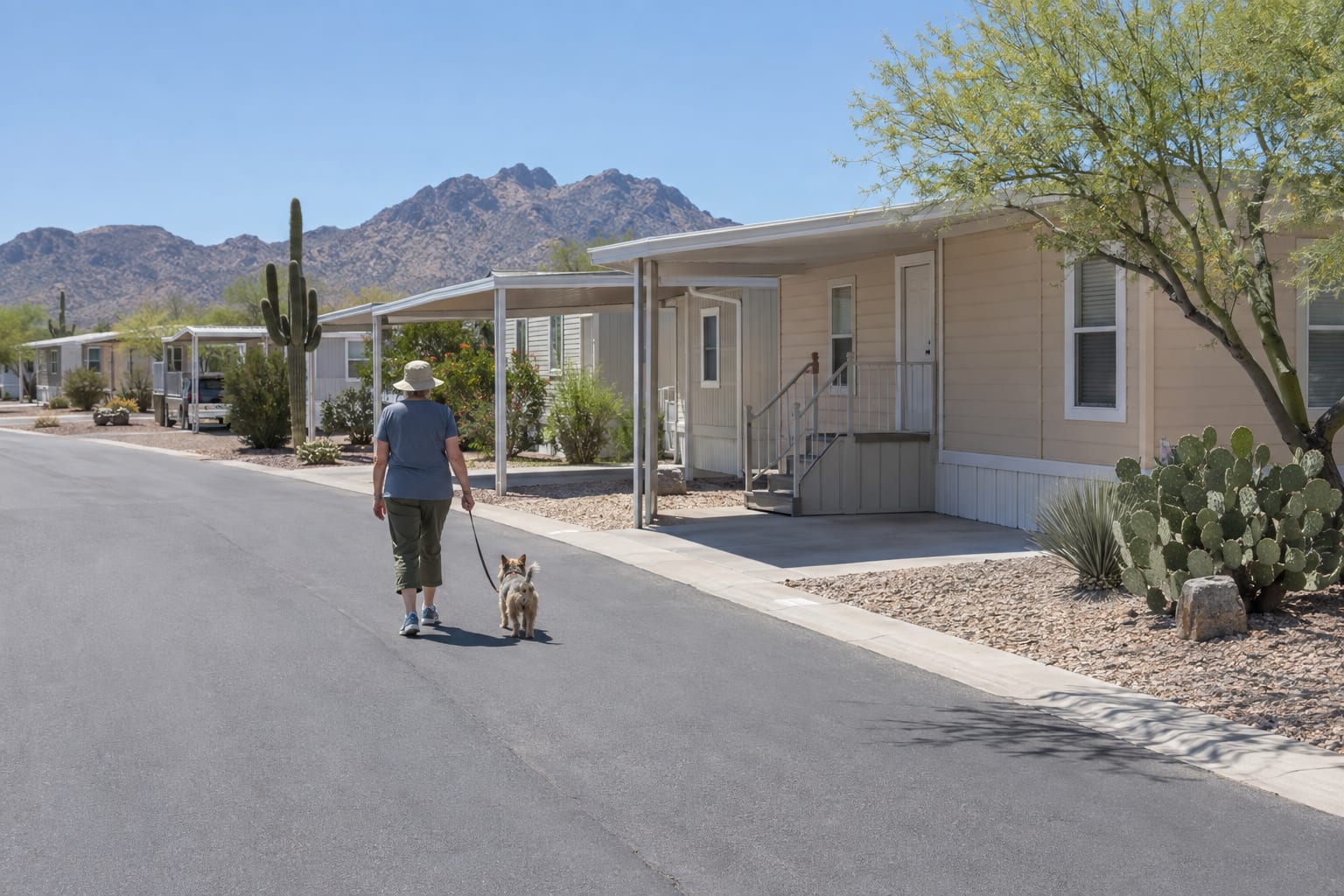
Rules often limit how many people may live in a home, ask any new adult occupant to apply to the community, and cap how long a guest may stay before counting as a resident.
Take an adult son or daughter who moves in to help a parent. In many communities that person would need the office’s approval, and in an age-qualified community separate conditions may apply. Find out before the move is planned, not after.
Renting the home out
Many communities restrict or prohibit renting your home to someone else. That matters to seasonal owners who picture a tenant in the months they are away (see buying as a snowbird in Arizona) and to anyone counting on rental income later.
Financing is a separate question. Some buyers use manufactured homes as rentals, but many programs and communities require owner-occupancy. Ask whether financing is available for your intended use before you buy. Can manufactured homes be rental properties? goes through the rest.
Sheds, decks, awnings and other exterior changes
Exterior work usually needs management’s written approval before it starts. That can include sheds, decks, awnings, carports, ramps, fences, paint colors and landscaping.
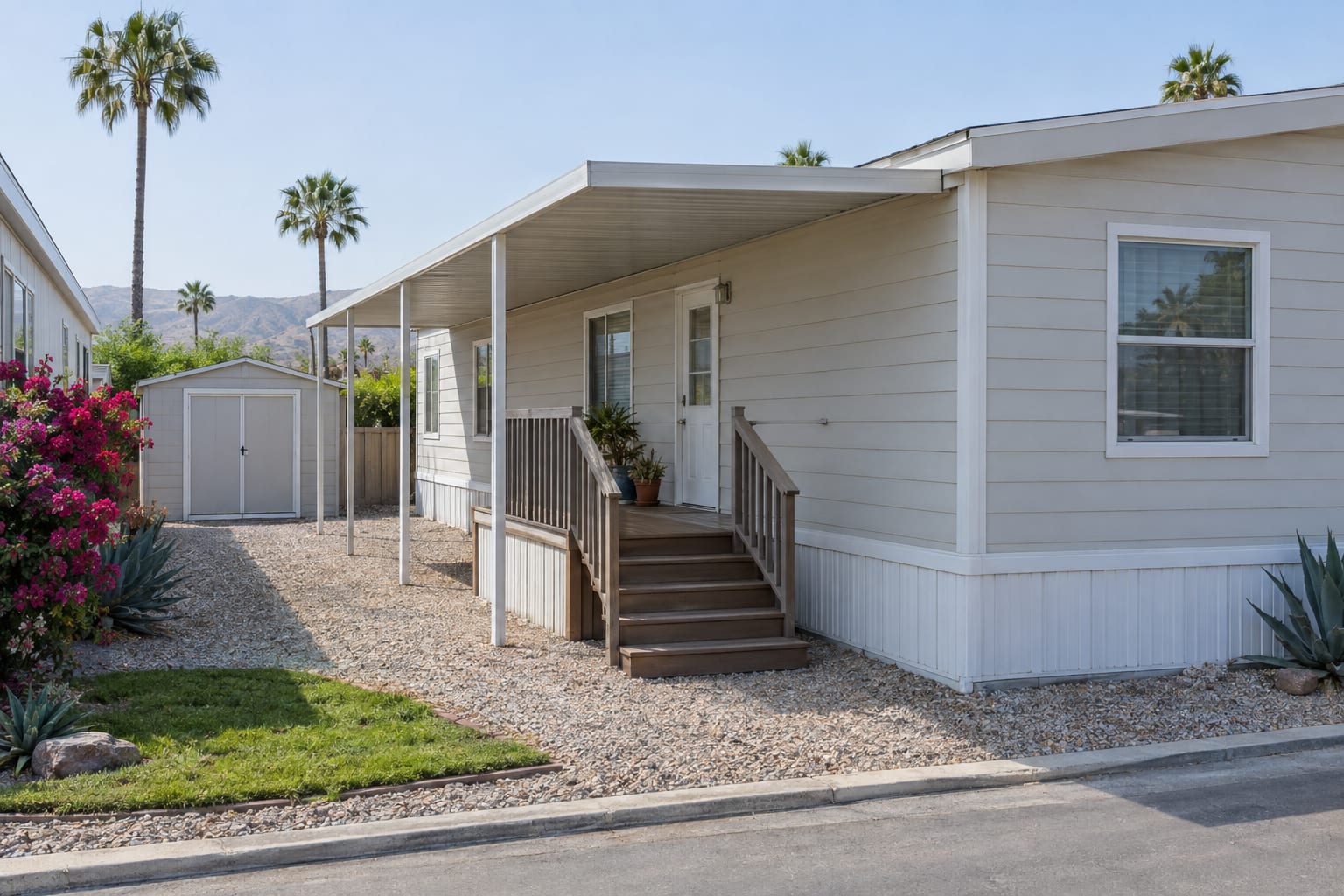
This cuts two ways for a buyer. If you plan to add something, ask what is allowed. If the home already has an addition, ask whether it was approved, because an unapproved structure can become your problem once the space is yours.
Some work needs a permit as well as the community’s approval. In California, HCD’s permits and inspections page covers permits for altering a manufactured home. In Arizona, the Arizona Department of Housing is the place to ask about manufactured housing permits.
Vehicles, parking and storage
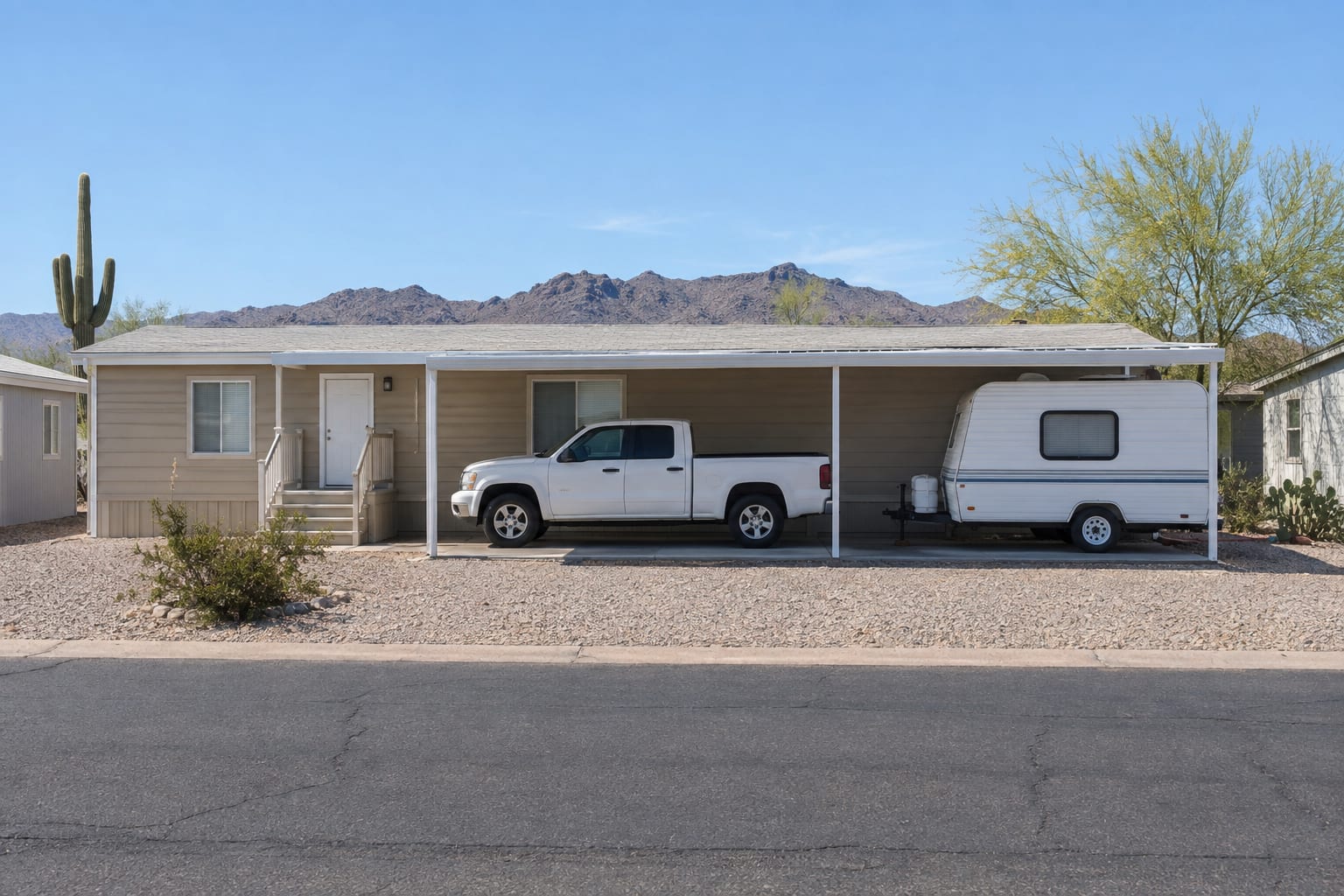
Each space has room for a set number of vehicles. Rules commonly cover guest parking, commercial vehicles, and whether an RV, boat or trailer may be kept at the home or has to go in a storage area, sometimes for a fee. A buyer with a work truck, or with three drivers in the household, should ask before assuming the carport will do.
Selling the home later
The rules you accept as a buyer are the rules your own buyer will face. Communities generally review the next resident too, and some set standards a home has to meet to stay in the community when it changes hands.
Stricter rules also narrow the group of people who can buy from you. An age-qualified community, for example, excludes younger buyers. That is worth weighing even when the rules suit you.
How the rules connect to your loan
Community rules do not change how a lender reviews your credit or the home. They connect to the financing in two ways.
First, the community’s approval of you as a resident is a separate review from the loan approval, and both have to be in place before closing. The rules are part of what you agree to in that application. Passing community resident approval explains how the two reviews run side by side.
Second, the costs the community sets count in your monthly housing cost, starting with space rent. The questions to ask before buying on leased land cover the money side.
What to get from the office before you make an offer
If a rule leaves you unsure whether the home still makes sense to finance, for example because of how you plan to use it, talk with a specialist before you make an offer.