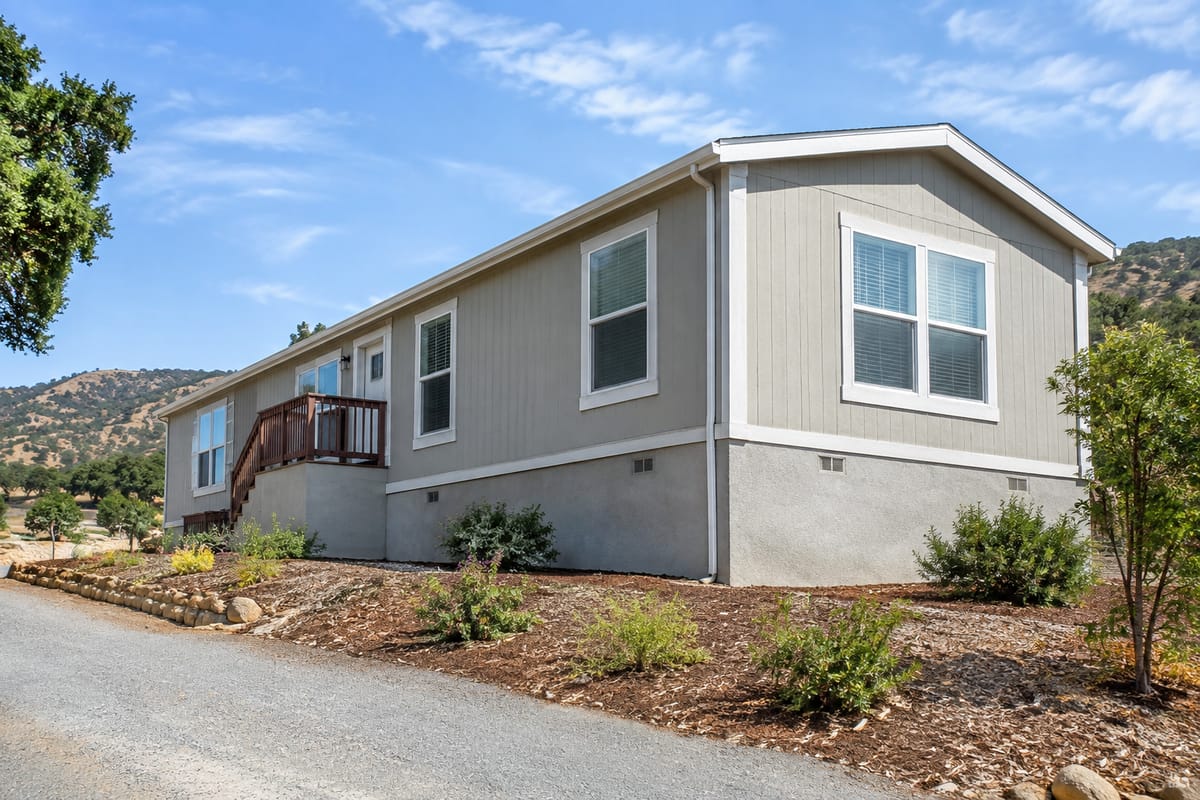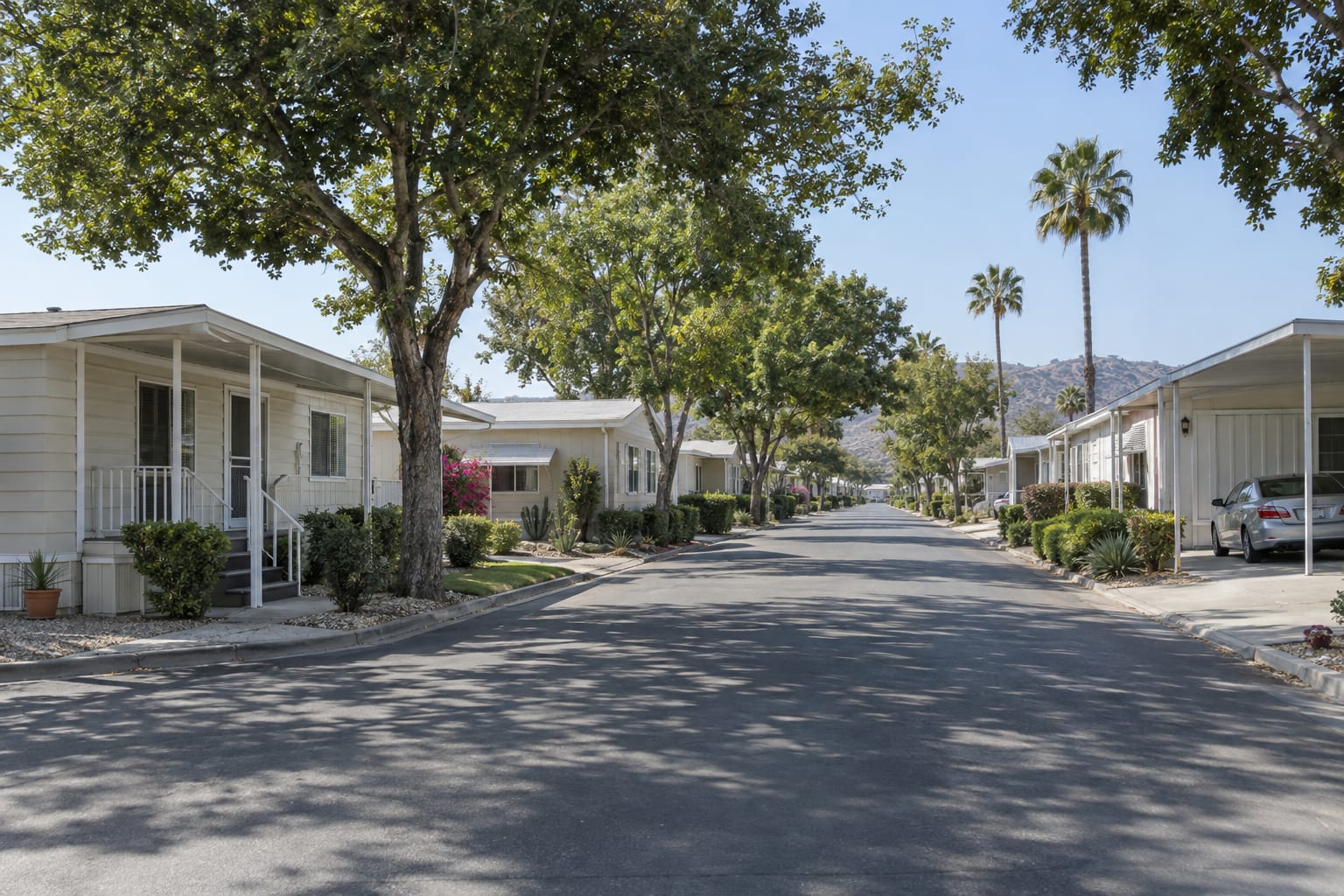
Mobile & Manufactured Home Loans in Prescott, AZ and Surrounding Yavapai County
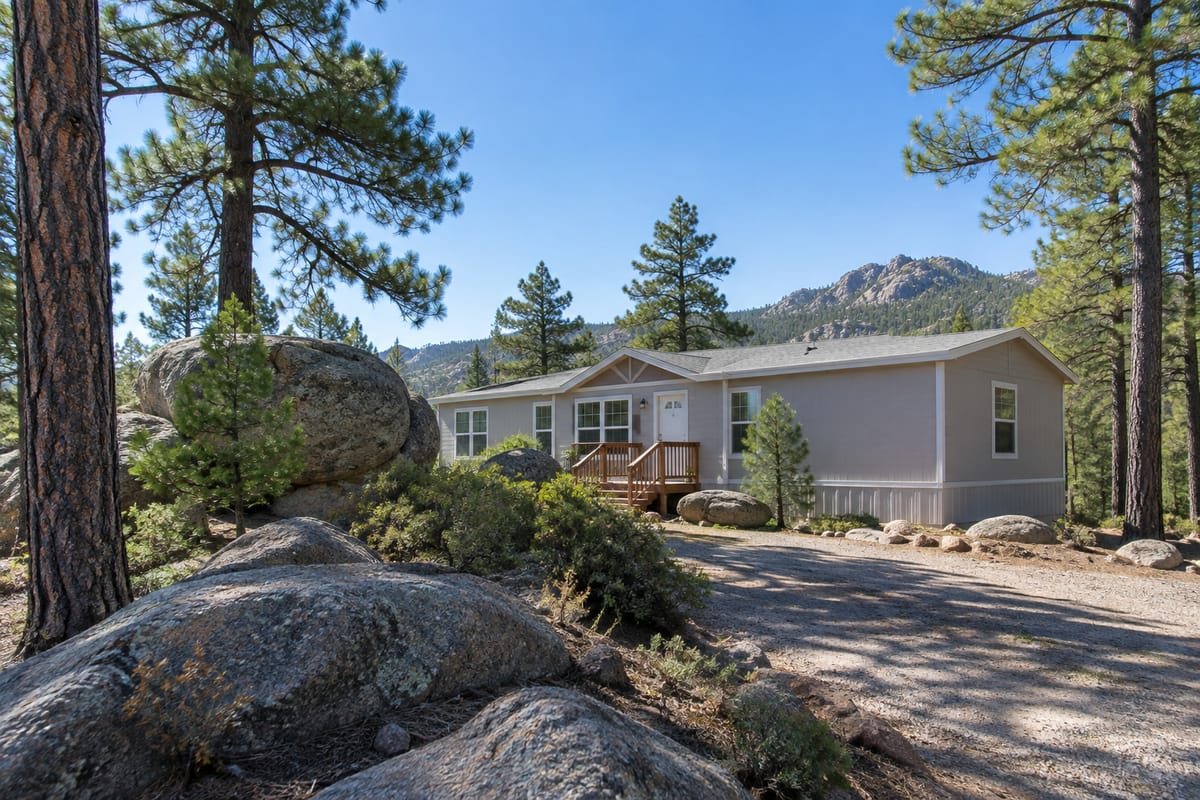
Local financing details: Manufactured Home Loans in Prescott, Arizona
A manufactured home near Prescott has to handle something most Arizona homes never face: winter. Prescott sits at about 5,400 feet, average overnight lows are below freezing from November through March, and about two feet of snow falls in an average year. That changes what you inspect on the home.
Many homes in Yavapai County also sit on rural parcels, where the land needs as much attention as the house: water, septic, the road in, and which office issues permits. For how purchase and refinance loans work in the area, see manufactured home loans in Prescott.
Elevation and jurisdiction change from town to town
What people call the Prescott area is several towns at different elevations, and each incorporated one has its own building office. Both facts matter. Elevation sets how hard the winter is, and jurisdiction decides whose permit rules apply.
Towns in the Prescott area and the Verde Valley
| Place | Approximate elevation | Where permit questions start |
|---|---|---|
| Prescott | 5,400 feet | City of Prescott |
| Prescott Valley | 5,000 feet | Town of Prescott Valley |
| Chino Valley | 4,700 feet | Town of Chino Valley |
| Dewey-Humboldt | 4,600 feet | Town of Dewey-Humboldt |
| Cottonwood | 3,300 feet | City of Cottonwood |
| Paulden, Mayer and other unincorporated areas | Varies | Yavapai County Development Services |
Elevations are for each town center, from U.S. Geological Survey elevation data; individual parcels sit higher or lower. The winter figures above come from the Western Regional Climate Center’s Prescott station record.
Cottonwood, in the Verde Valley, is about 2,000 feet lower than Prescott, so its winters are milder and its summers hotter. If you are comparing the two areas, financing details for the valley are on the Cottonwood page.
Snow load starts with the data plate
Federal construction standards for manufactured homes divide the country into three roof load zones: South at 20 pounds per square foot, Middle at 30 and North at 40. All of Arizona, the high country included, is in the South zone under 24 CFR 3280.305. A manufacturer can build a home to a higher roof load than its zone requires.
The home’s data plate, a paper sheet usually found inside a kitchen cabinet or a closet, states the roof load the home was designed for. Read it before you buy a home here, and above all before you pay to move one up from the desert. Then ask the building office for the parcel’s jurisdiction what it expects at that elevation.
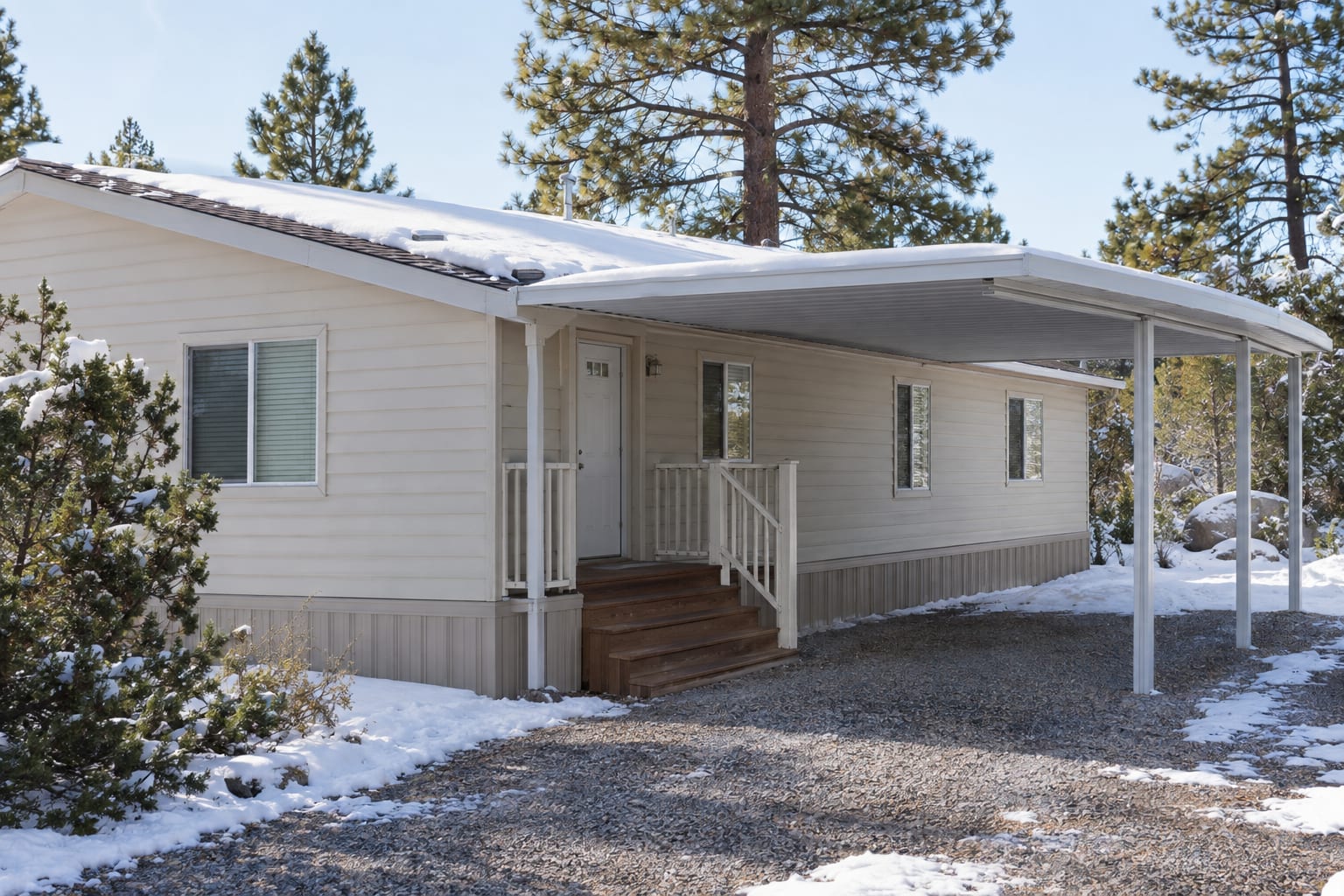
The data plate describes the home as it left the factory. Look at what has been added since, and at how the roof has aged:
- Carports, awnings and patio covers attached to the home were built on site. Ask whether they were permitted, and look for bent posts or a sagging edge.
- A roof-over, meaning a second roof built over the original, is sometimes added to an older home. Ask who built it and whether a permit was issued.
- A sagging ridge line or ceiling cracks along the center of a double-wide deserve an inspector’s opinion.
- Stains at the eaves and around vents show where melting snow has found a way in.
Freeze protection under the home
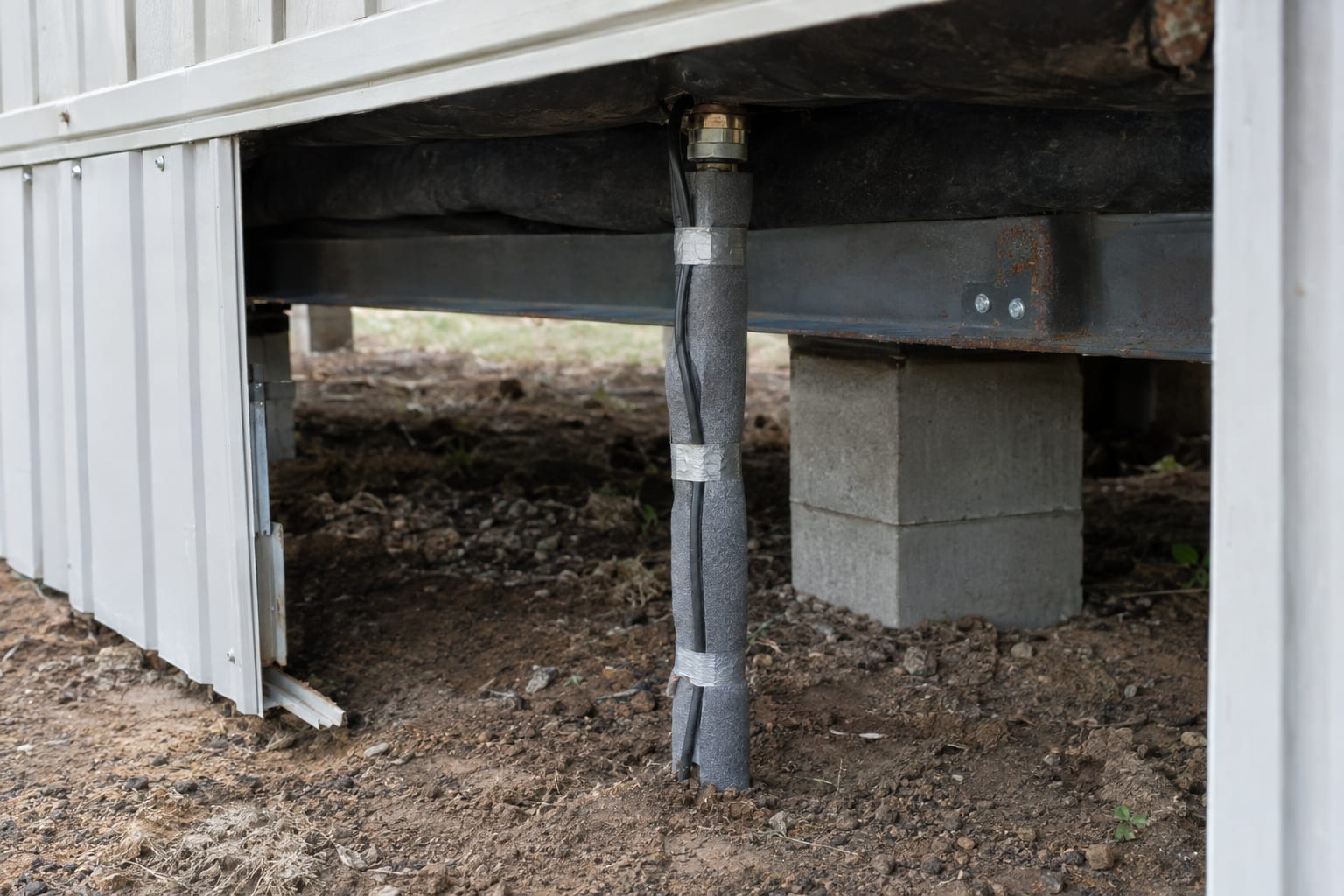
The federal installation standard says that where freezing occurs, exposed water supply piping, shutoff valves and pressure reducers must be insulated or otherwise protected, and that only heat tape or heating cable listed for the purpose may be used (24 CFR 3285.603). On a home you are thinking of buying, that means looking under it or asking an inspector to.
If you will be away in winter, the home needs to be either kept heated or winterized. The Arizona winterizing checklist covers both.
Rural parcels: water, septic, propane and the road
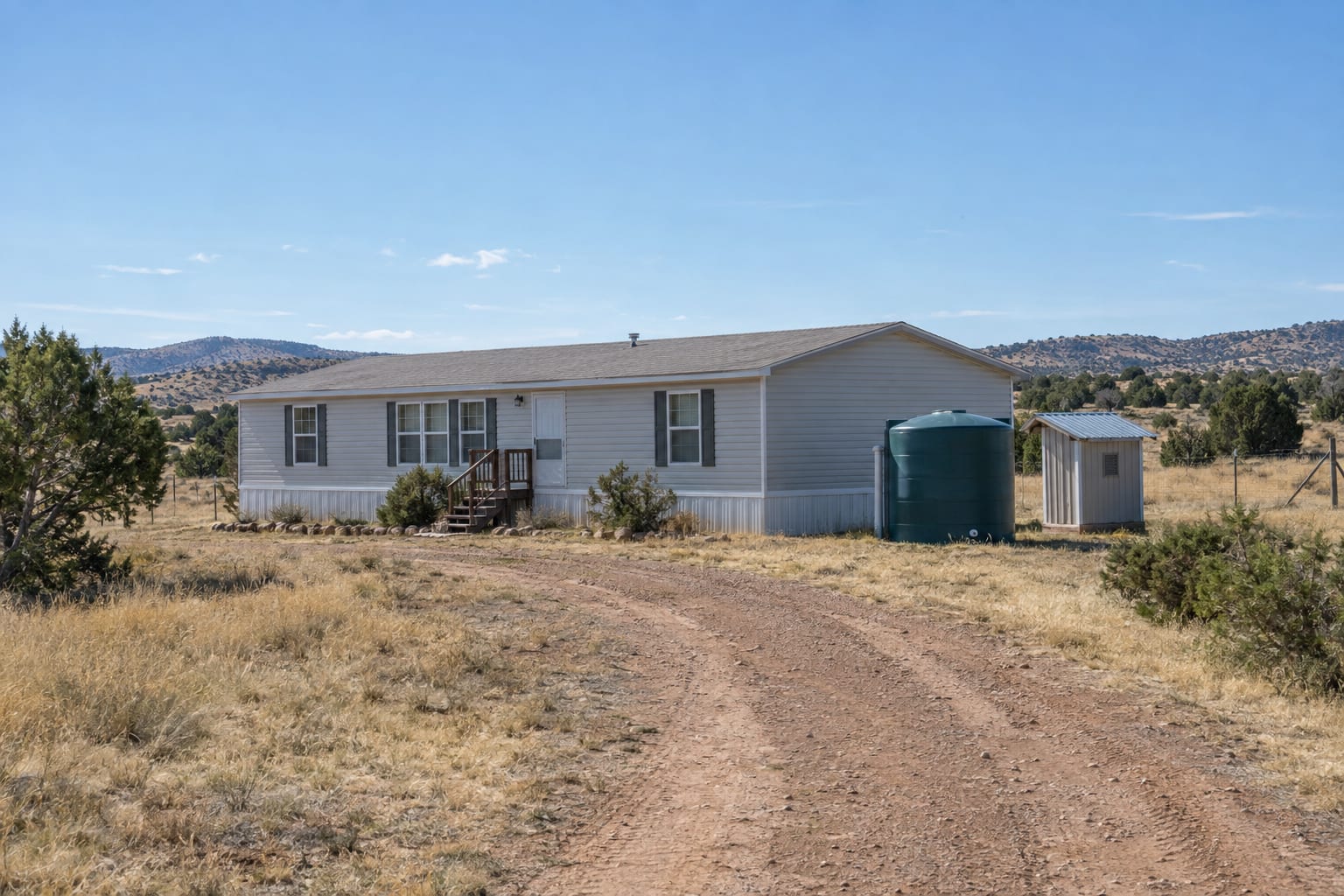
Outside the towns, a parcel often supplies its own utilities. Each one comes with a record you can ask for before you make an offer.
What to verify on a rural Yavapai County parcel
| Item | What to ask | Who has the record |
|---|---|---|
| Water | Water company, private well, shared well or hauled water? For a well, the registration number; for a shared well, the recorded agreement | Arizona Department of Water Resources |
| Septic | The permit and the latest inspection report | Yavapai County Environmental Services |
| Propane | Is the tank owned, or leased from the supplier? | The seller and the propane company |
| Road | Is it county maintained? If it is private, who maintains and plows it, and is access recorded? | Yavapai County Public Works; the title report |
| Flood | Is any part of the parcel in a mapped floodplain? | Yavapai County Flood Control District |
Arizona law requires a well to be registered with the Department of Water Resources and the department to be told when the well changes owners. For septic, state rules call for the seller to have the system inspected before the sale and for the buyer to file a Notice of Transfer afterward. The county’s Environmental Services unit handles septic records and ownership changes.
The county maintains only the roads accepted into its system, and Public Works can tell you whether a given road is one of them. The Flood Control District publishes an interactive floodplain map.
Wildfire is the other rural question. Much of the area is forest, chaparral or grassland, and the Prescott National Forest posts a fire danger rating for each of its districts. Ask an insurance agent for a quote on the specific address before you commit, since wildfire exposure can affect both the cost of coverage and whether a company will write it.
Financing questions for a home on owned land goes through these site checks in more depth, including how the home and land are valued together.
Placing or moving a home onto a parcel
In unincorporated Yavapai County, a manufactured home needs a county permit before it is installed. The county’s manufactured home permit page says applications are reviewed by its land use, environmental, flood control and public works units, among others. It also says the state’s manufactured housing office has jurisdiction over the installation permit and inspection. For those, start with the Arizona Department of Housing.
How the home and the land are recorded
A manufactured home on its own parcel is not automatically part of the real estate. In Arizona it carries a title from the MVD, the Motor Vehicle Division of the Arizona Department of Transportation, for each section. That stays true until the owner of both land and home surrenders the titles and records an Affidavit of Affixture with the county recorder, as ADOT’s mobile home ownership page describes. Current MVD and county procedures should be confirmed.
An affixed home and its land may be financed together as real property. A home that still has MVD titles is personal property, so ask the lender how it would be handled when you are buying the land as well. Whether the home has been affixed is the first thing to ask the seller of any home on land here. Affidavit of Affixture in Arizona explains what to look for.
This is general information, not legal, tax or insurance advice. Agency procedures change, so confirm them with the offices linked above.