Orange County Mobile Home Parks and How Financing Works
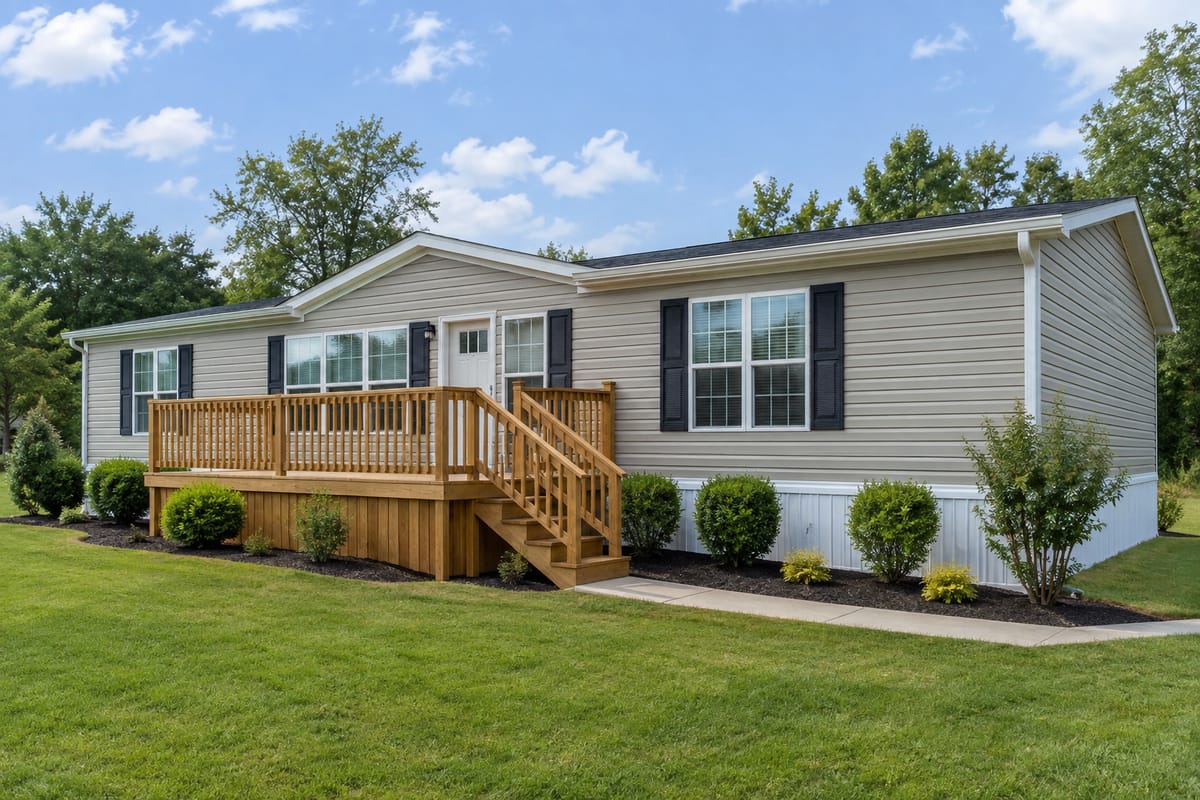
Buying in an Orange County mobile home park almost always means buying the home and renting the ground under it. You hold title to the home, the park keeps the land, and you pay monthly space rent for as long as you live there. That makes the park as much a part of the purchase as the home: its age rule, its rent, its rules and its location all stay with you after closing.
Rents, rules and ownership change, so this article names no parks and ranks none. It shows you how to compare them yourself.
In most Orange County parks you own the home and rent the space
A land-lease community is one where you own the home and rent the homesite. The home is personal property with its own title, and California titles and registers manufactured homes through HCD, the Department of Housing and Community Development, not the DMV. HCD explains the paperwork on its registration and titling page.
Three things follow from that setup:
- The loan covers the home only. It is a home-only loan, also called a chattel loan, secured by the home and not by any land.
- Space rent is paid on top of the loan payment. A lender counts it as part of your monthly housing cost when it reviews your application.
- You need two approvals. The lender decides on the loan, and the park decides whether to accept you as a resident. They are separate reviews, and passing community resident approval is its own step with its own paperwork.
A smaller number of communities are resident-owned, where buying in can also mean buying a share in the corporation that owns the land, or a deed to a lot. That changes the price and the loan, so find out which kind you are looking at. Resident-owned communities in California explains how to check.
How Orange County parks differ from one another
Two parks a mile apart can be very different places to own a home. These are the differences that change the purchase.
What varies between Orange County parks
| What varies | Why it matters | How to find out |
|---|---|---|
| Age rule | A 55+ park limits who can live in the home and who can buy it later | Ask for the written age and occupancy rules |
| Who owns the land | A rented space in most parks; a share or a lot in a resident-owned one | Ask what is being sold besides the home |
| Space rent and what it covers | It is part of your monthly cost and of the lender’s review | Get the figure for a new resident in writing |
| City or unincorporated county | Local rent rules, where they exist, are set by the city or the county | Ask the city’s housing office |
| Coast or inland | Salt air, flood zones and wildfire zones affect upkeep and insurance | Look up the address on the official maps |
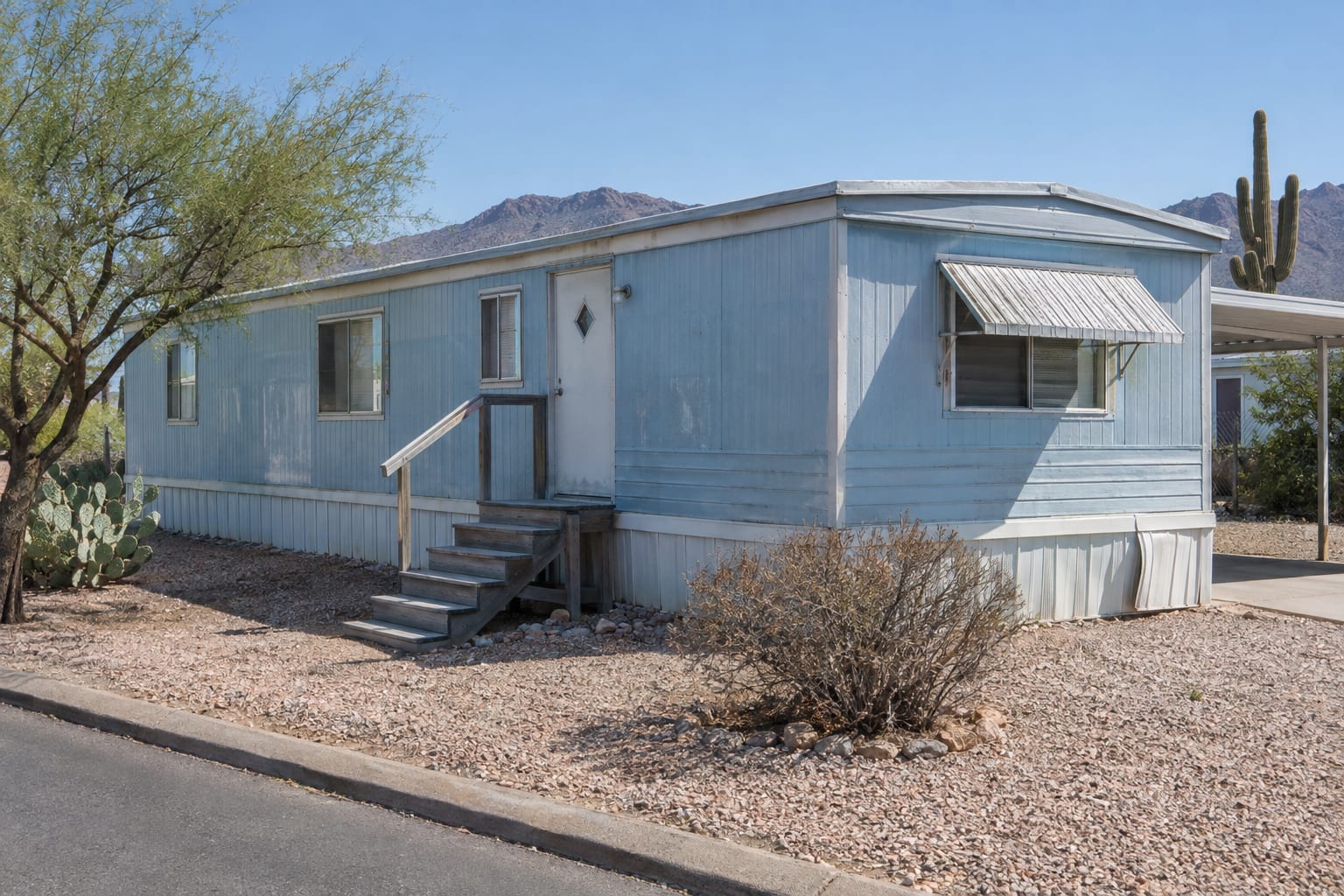
| Age of the park and its homes | Older streets and utilities; pre-1976 homes are financed differently | Walk the park and ask the home’s year |
Age-qualified and all-age communities
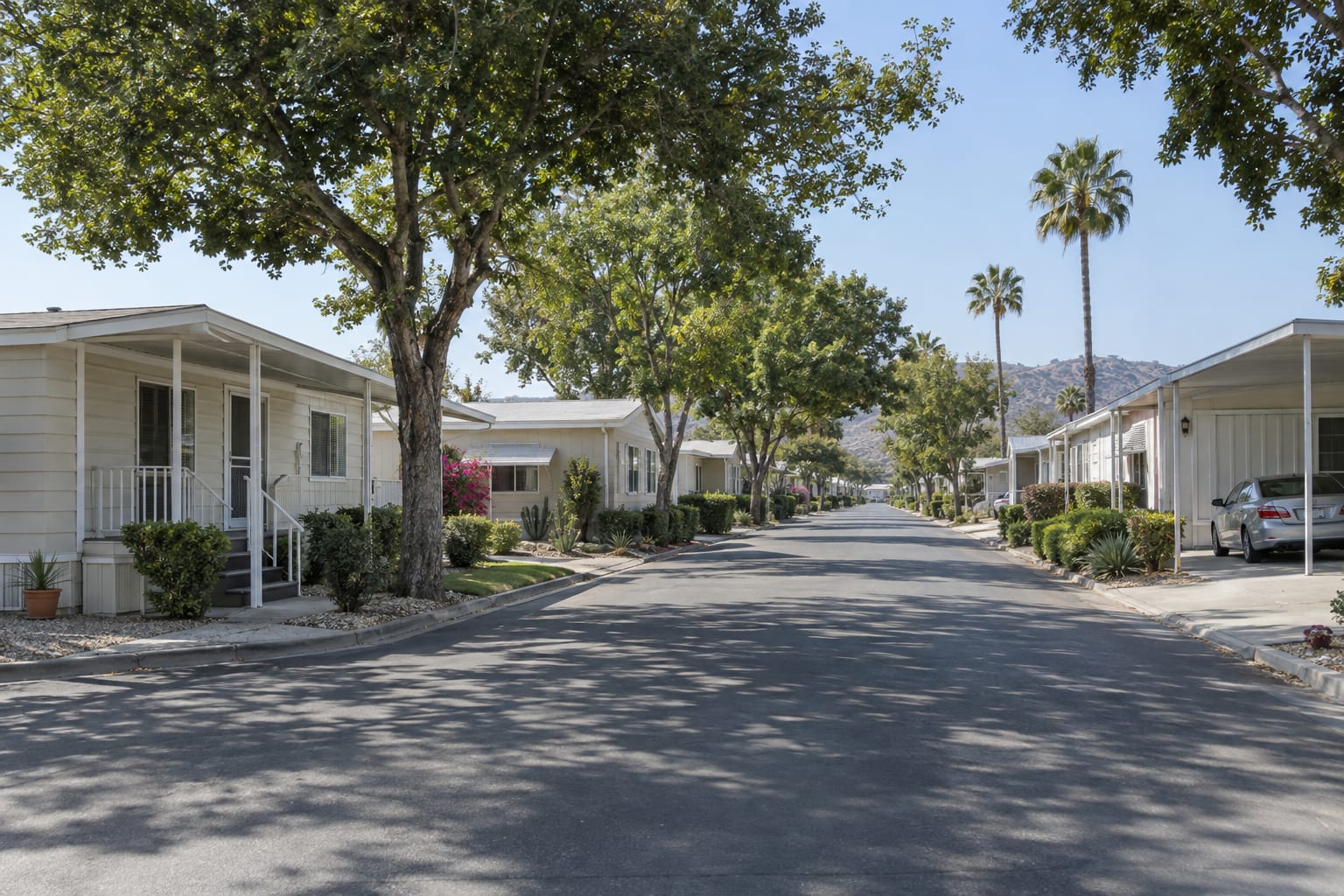
Orange County has both 55+ communities, also called senior or age-qualified parks, and all-age communities, sometimes in the same city. Listings do not always say which. The age rule decides more than whether you can move in. It governs who may live with you, such as a younger spouse, an adult child or a caregiver, and it narrows the pool of buyers when you sell.
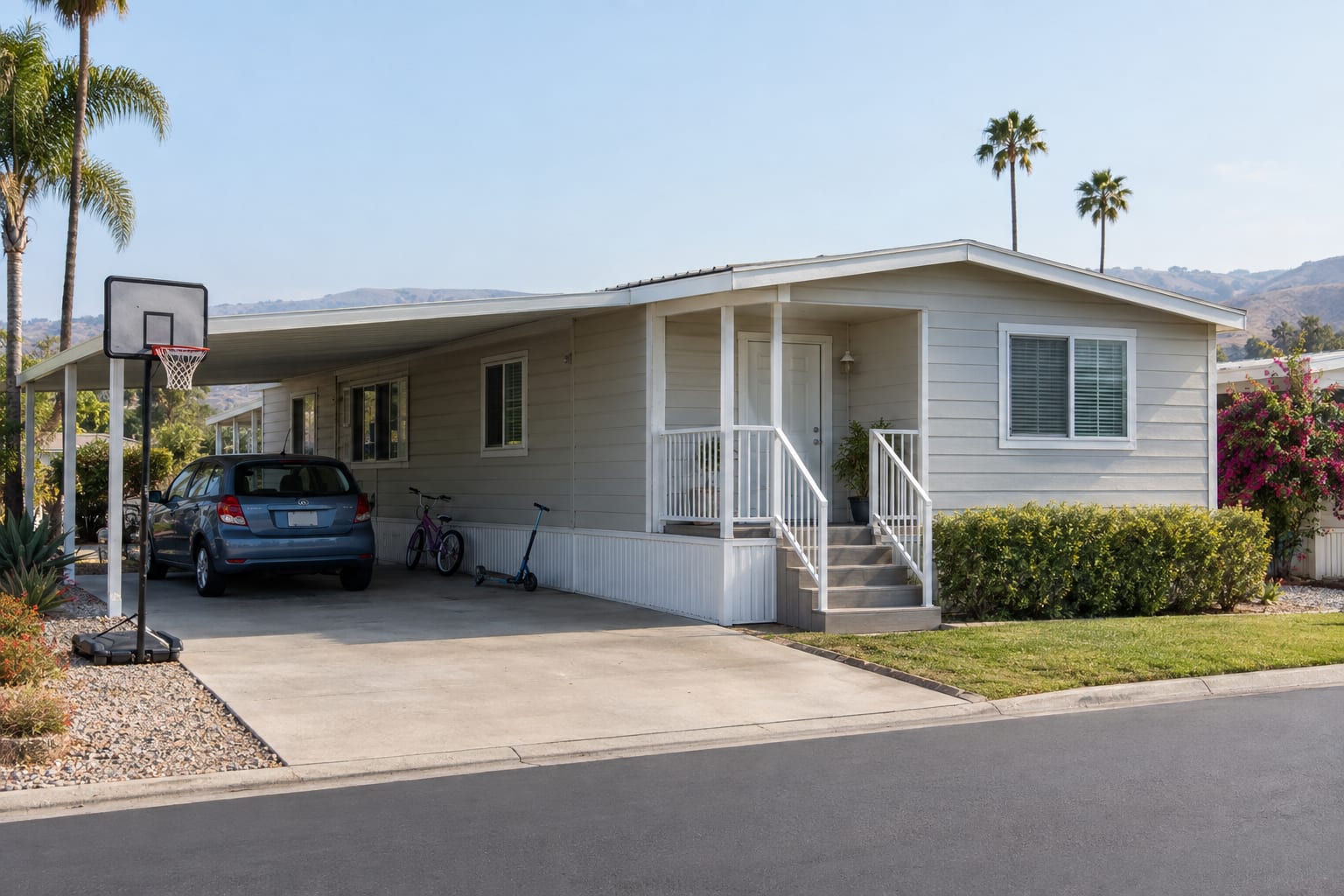
Ask for the rule in writing along with the rest of the park’s rules. How park rules can affect your purchase goes through the ones that most often change a buyer’s plans.
Coastal and inland parks carry different risks
Parks near the ocean, in cities such as Huntington Beach, and parks inland, in cities such as Anaheim, Santa Ana and Westminster, raise different upkeep and insurance questions.
- Salt air. Near the coast, metal corrodes sooner. Have an inspector look at carport posts, awnings, railings, tie-downs and the steel frame under the home.
- Flood zones. Low-lying ground near the coast and along flood channels can fall in a mapped flood hazard area. Look up the address at FEMA’s Flood Map Service Center. A lender may require flood insurance there.
- Wildfire zones. Parks near the foothills and canyons on the county’s eastern side may sit in a state-mapped Fire Hazard Severity Zone. Insurers use their own wildfire models rather than these maps, but a home in a mapped zone is a reason to get an insurance quote early. CAL FIRE publishes the zone maps.
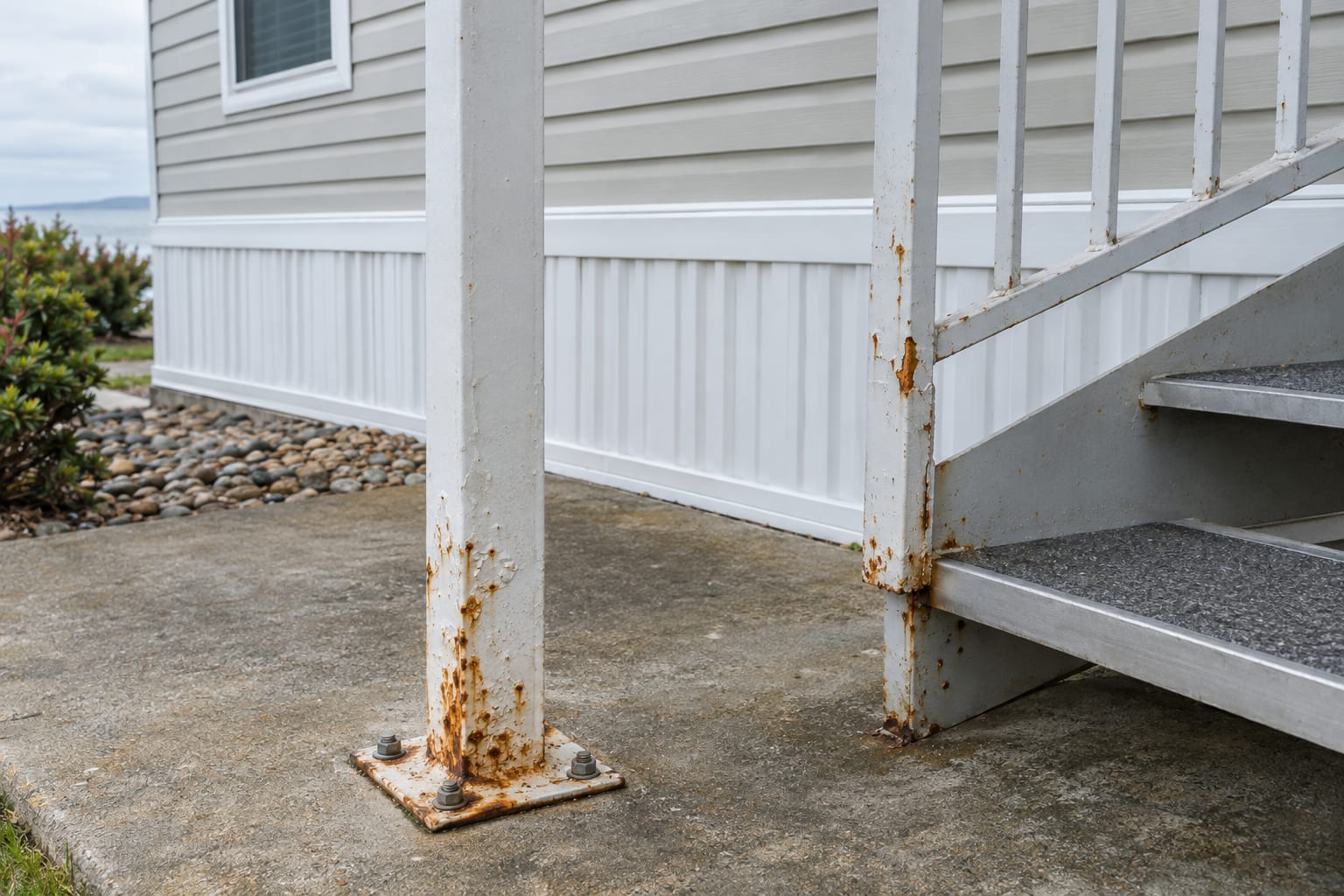
Get an insurance quote for the specific address before you commit to a home. If you are set on the coast, manufactured homes near the beach looks at Huntington Beach and San Diego in particular.
Space rent is a question to ask each park, not a number to assume
Space rent is the monthly rent you pay the park for the homesite. Do not budget from a listing, a neighbor’s figure or an article; this one gives none on purpose. Rent differs from park to park and sometimes from space to space, and the rent for a new resident can differ from what the seller pays today.
Ask the office for the rent you would pay as the new owner, what it includes, and how it has changed over the last few years, all in writing. Then add it to the loan payment, insurance, taxes or fees, and utilities. How space rent affects what you can afford shows how to compare two parks on the full monthly cost.
Whether a local rent ordinance applies depends on where the park is. Some California cities and counties have a mobilehome rent ordinance and others do not, so in Orange County the answer changes from one city to the next. The city’s housing office can tell you which rules, if any, cover a given park. Statewide, the Mobilehome Residency Law governs the relationship between parks and residents, and HCD outlines your rights as a park resident.
Check the park before you get attached to a home
It is hard to walk away from a home you already picture yourself in, so look at the park first.
Checking an Orange County park
- Look the park up with HCD Every mobilehome park in California needs a permit to operate. HCD’s mobilehome parks page has a Find a Park search that shows the park’s record and which agency inspects it: HCD, or a city or county acting as the local enforcement agency.
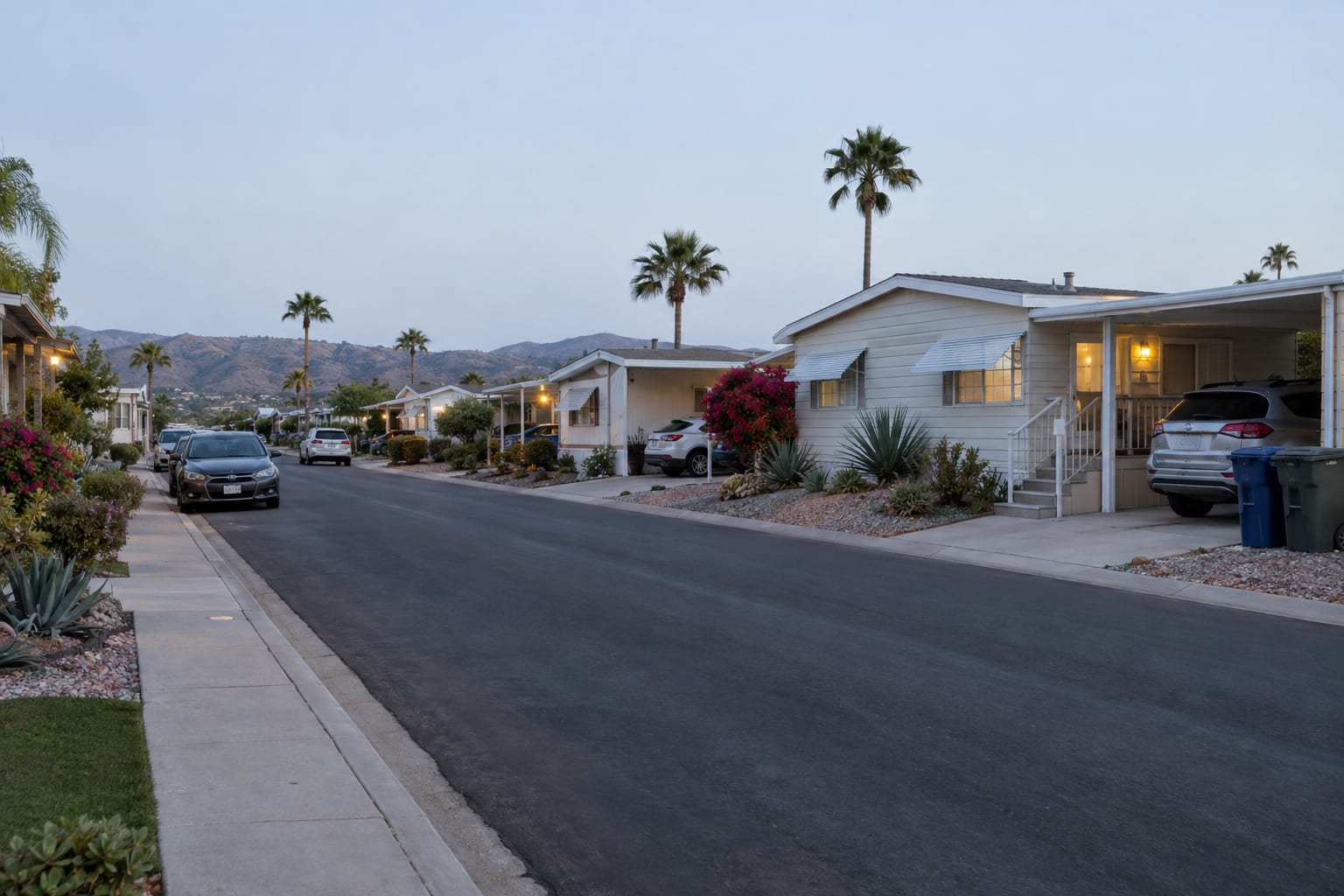
- Visit more than once Walk the streets on a weekday evening and again on a weekend. Look at the streets, lighting, parking and common areas, and at the homes next to the one you like.
- Ask the office for its documents You want the rules and regulations, the residency application and its criteria, the rental agreement or lease, and the rent figures.
- Ask the seller for the home’s paperwork That means the HCD registration or title, the year and manufacturer, and the serial number of each section.
- Talk to a lender before you make an offer The home’s year and size, the space rent and the park’s age rule all affect the loan. It is better to learn how before you sign than after.
How the loan works when the land is leased
With leased land you are applying for a home-only loan, and the lender reviews three things: you, the home and the park. For you, that means income, debts, credit history and the cash you can put in. For the home, it means the year, size, condition, HUD label and the title record with HCD. For the park, it means the space rent and the rental agreement.
The home’s age matters. A manufactured home is a factory-built home constructed on or after June 15, 1976 to the federal HUD Code. A factory-built home from before that date is, technically, a mobile home, and fewer programs may be available for it. Ask before you make an offer on an older home.
There is no single down payment. It depends on the program, your credit, the home, and whether the land is leased or owned. Credit requirements vary by program as well. All financing is subject to credit approval, and not all applicants or homes will qualify.
To see how a home price and a park’s space rent combine, enter your own figures in the payment calculator. The results are educational estimates, not a loan offer.
Santiago Financial, Inc. is based in Tustin and began by serving Orange County and Los Angeles County in 1975. If your search is in the middle of the county, buying a manufactured home in Tustin covers the local search and our office there.
This is general information, not legal advice. Park rules, local ordinances and state procedures change, so confirm the current ones with the park, the city and HCD.