Manufactured Homes: An Affordable Housing Solution in California
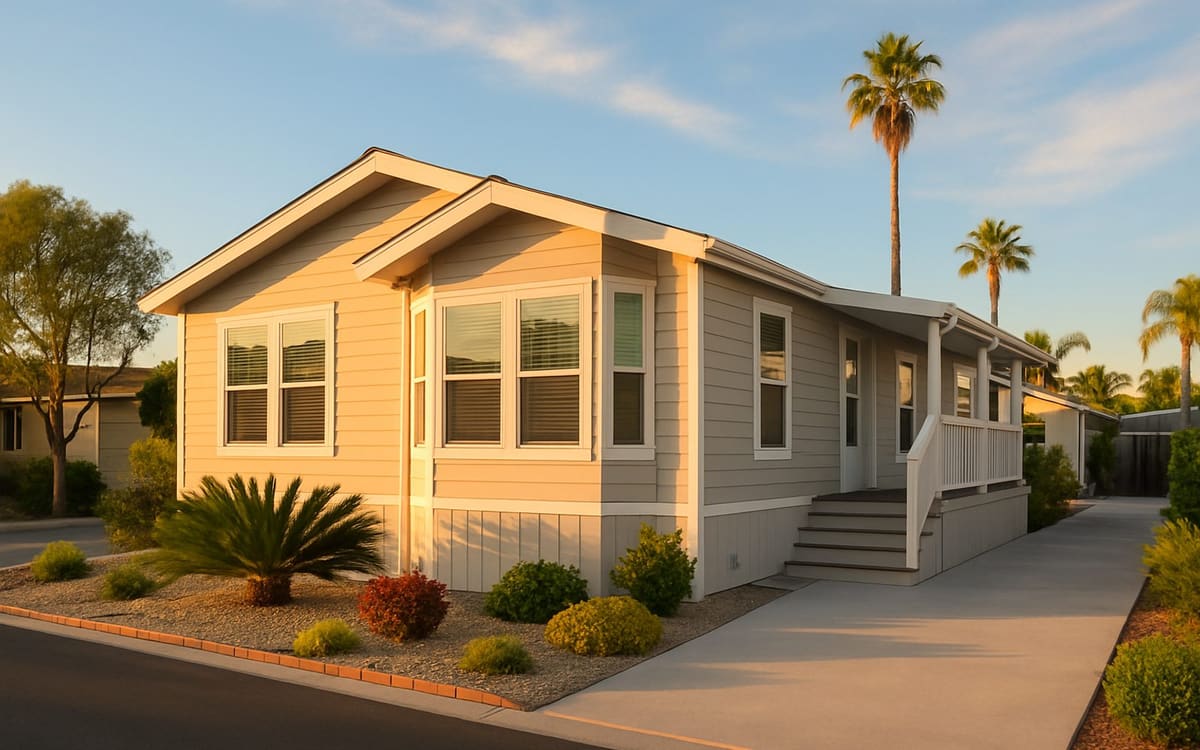
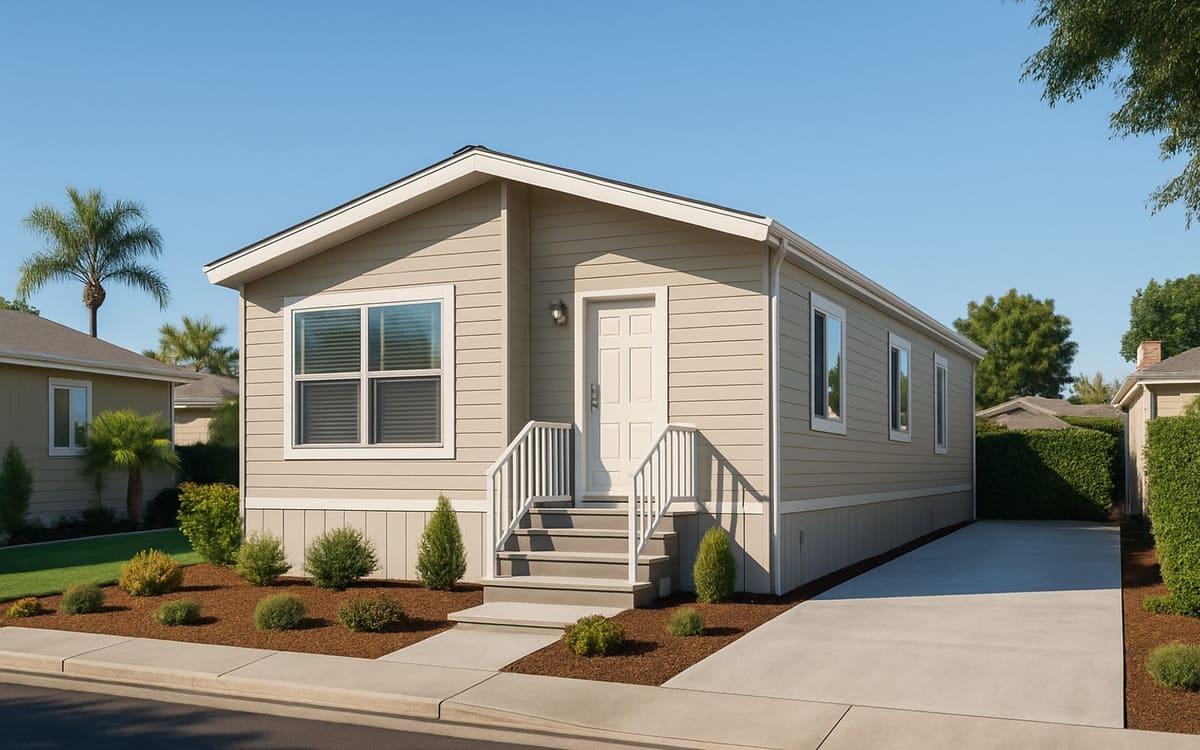
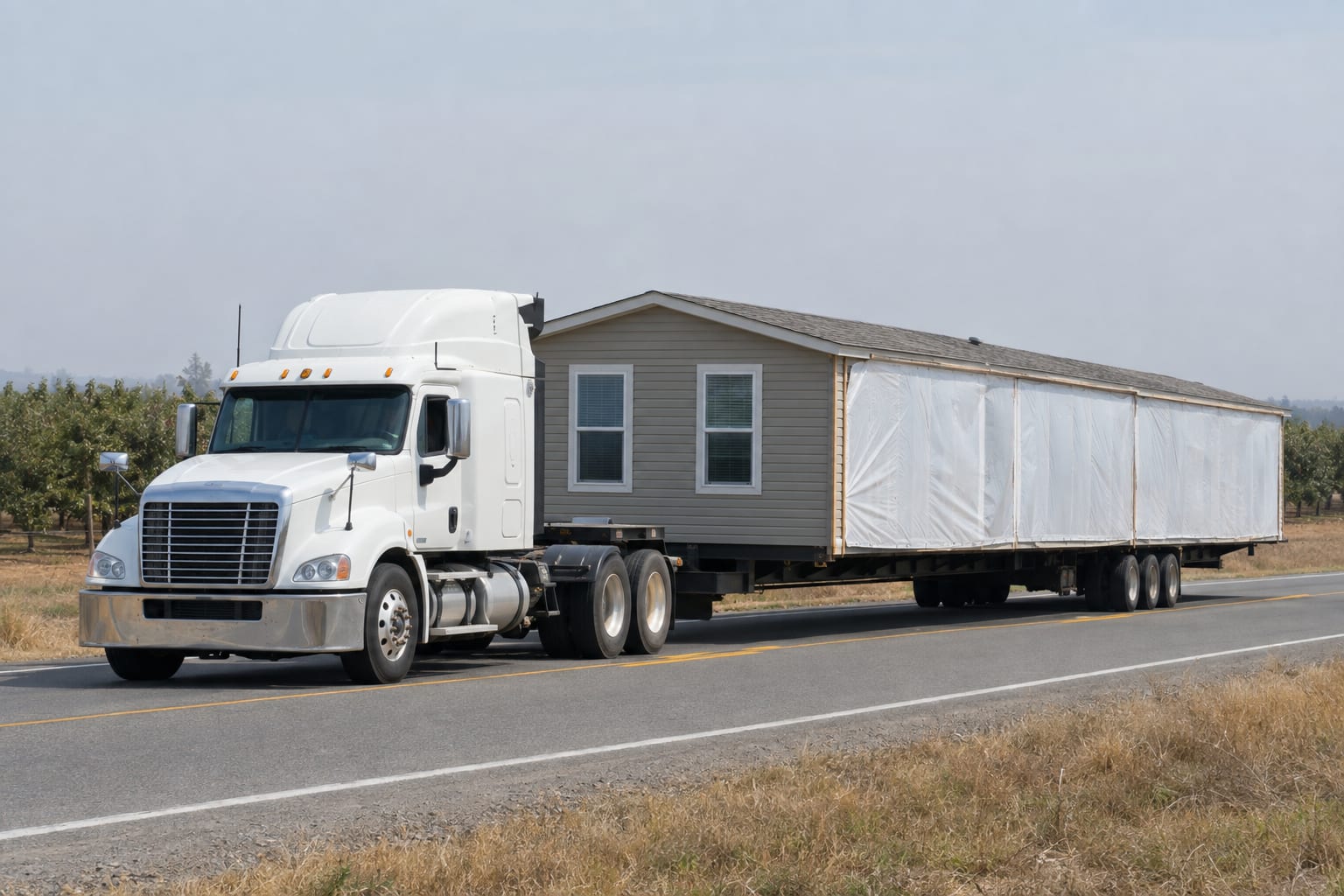
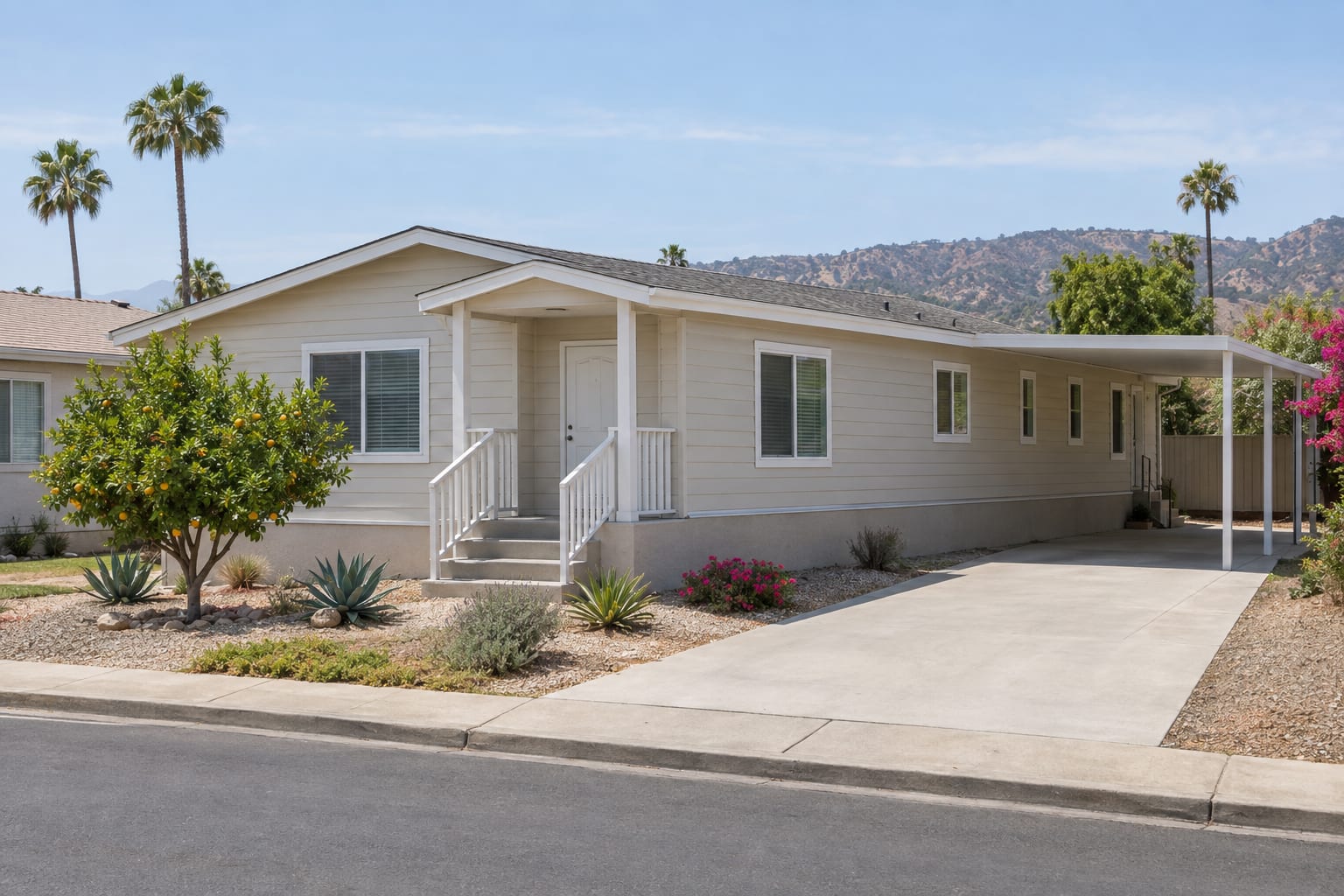
A manufactured home is a house built in a factory to a federal building code, moved to its site in one or more sections, and installed there. Californians choose them mainly for cost. The structure costs far less to build than a site-built house, and in a community you can buy the home without buying the land under it.
How much you save depends on the land. Space rent in a community, or a lot of your own, is a separate cost. So the comparison that matters is the whole monthly cost in the setup you are considering, not the price of the home alone.
What makes a home “manufactured”
Three things define a manufactured home. It was built in a factory on or after June 15, 1976. It was built to the federal Manufactured Home Construction and Safety Standards, known as the HUD Code. And it travels on a permanent steel chassis that stays under the home after it is installed.
The HUD Code is a national building code administered by the U.S. Department of Housing and Urban Development. HUD’s manufactured housing page lists what the standards cover, including body and frame, thermal protection, plumbing, electrical and fire safety. Each section of a finished home carries a red metal HUD label on the outside, certifying that it was built to the code. Where to find the HUD label, data plate and serial number shows what to look for on a home you tour.
Two other kinds of factory-built home are often confused with it.
Three kinds of factory-built home
| Type | Built to | How to tell |
|---|---|---|
| Manufactured home | The federal HUD Code, on or after June 15, 1976 | A HUD label on each section and a data plate inside |
| Mobile home | No federal code; built before June 15, 1976 | No HUD label; lenders review these homes differently |
| Modular home (factory-built housing) | The same state building code as a site-built house | Placed on a foundation; generally treated like a site-built house |
People still say “mobile home” for any home that arrived on wheels, and California law uses “mobilehome” in the names of its park laws. In conversation that is fine. The build date matters when you finance, because a home built before the HUD Code existed is reviewed differently.
How a manufactured home compares with a site-built house
Manufactured home compared with a site-built house
| Feature | Manufactured home | Site-built house |
|---|---|---|
| Where it is built | Indoors in a factory, then moved in sections | Outdoors on the lot |
| Building code | Federal HUD Code, the same in every state | California building code, applied locally |
| Construction inspected by | An inspection agency at the factory | The local building department |
| What it rests on | Piers and tie-downs, or a foundation system | A permanent foundation |
| Land under it | A rented space or owned land | Owned with the house |
| Ownership record | An HCD title, unless recorded as real property | A deed recorded with the county |
| Usual financing | Home-only loan, or home and land together | Mortgage on the house and land |
Two rows in that table cause most of the confusion.
The building code. A manufactured home is built to a different code from a site-built house, not to no code. Its construction is inspected at the factory. What happens on site is a state and local matter. In California, installation and approval for occupancy go through HCD (the Department of Housing and Community Development) or the local agency that enforces the state’s rules.
The ownership record. California titles and registers manufactured homes through HCD, not the DMV, as HCD’s registration and titling page explains. A home on a rented space is personal property: it has a title of its own, separate from any land. A home installed on a foundation system on land you own can be recorded as real property, and from then on it is generally taxed and financed more like a site-built house. California HCD title basics explains the paperwork.
The home-on-its-own-title arrangement is the usual one, not an exception. Nationally, more than three in four new manufactured homes were titled as personal property in 2024, according to the U.S. Census Bureau’s Manufactured Housing Survey.
Why the home costs less, and where the saving stops
For 2024, the same Census survey’s cost and size comparison puts the average new manufactured home at about half the cost per square foot of the average new site-built house, with land left out of both. Building indoors on a production line is the main reason. Materials are bought in volume, weather does not stop the work, and no home is a one-off project.
That figure is national and covers new homes only. It does not tell you what a home in a particular California community sells for. It also leaves out the cost that varies most in this state, which is the land.
What you pay for in each setup
| Setup | What you buy | What you pay each month |
|---|---|---|
| Home in a land-lease community | The home | Loan payment, space rent, insurance, taxes or fees on the home, utilities |
| Home on land you own | The home and the land | Loan payment, property tax, insurance, utilities |
Space rent is the monthly rent paid to the community for the homesite. It is separate from the loan payment and on top of it, and it is the biggest reason two similarly priced homes can have very different total monthly costs.
Where a manufactured home can go in California
There are two common arrangements, and they are different purchases.
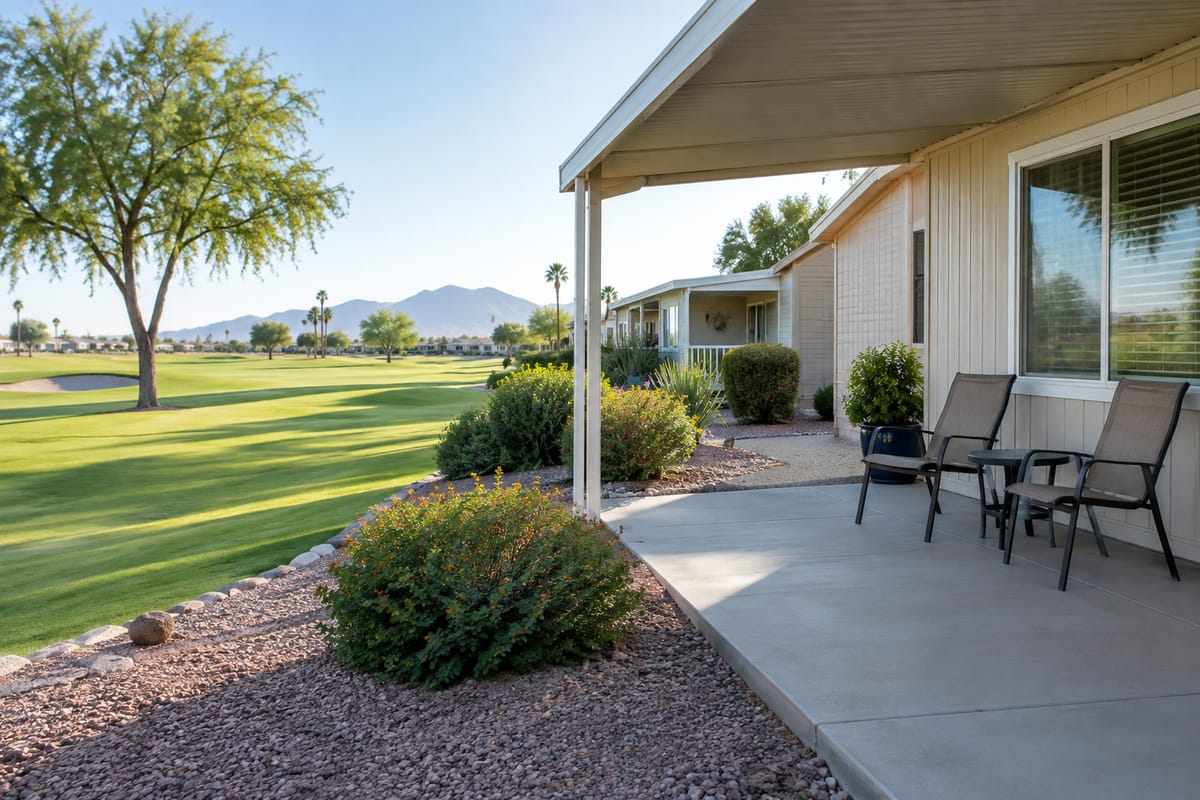
A space in a community. You own the home and rent the space from a mobilehome park, also called a land-lease community. The community sets its rules and reviews new residents, and that review is separate from a lender’s review of your loan. Some communities are limited to residents 55 and older; others are open to all ages.
Land you own. A manufactured home can be installed on a private lot, either one you already own or one you buy along with the home. State law requires cities and counties to allow a manufactured home on a foundation system on lots zoned for single-family houses, with conditions. How California law treats manufactured homes covers that rule and its limits. The city or county planning department is where you check zoning, permits and utility connections for a specific lot.
What to find out about any home you consider
A listing tells you the price, the bedrooms and the kitchen. Five other facts do more to decide what the home costs to own and how it can be financed.
A manufactured home is not the right answer for everyone. The advantages and trade-offs of a manufactured home sets out what you gain and what you give up, and single-section or multi-section covers the size decision. When you have a home or a lot in mind, find your financing path asks three questions and points you to the kind of loan to read about first.
This is general information, not legal or tax advice. HUD, HCD and the local planning department apply the rules to a specific home and lot.