Multi-Section vs. Single-Section Homes: Which Is Right for You?
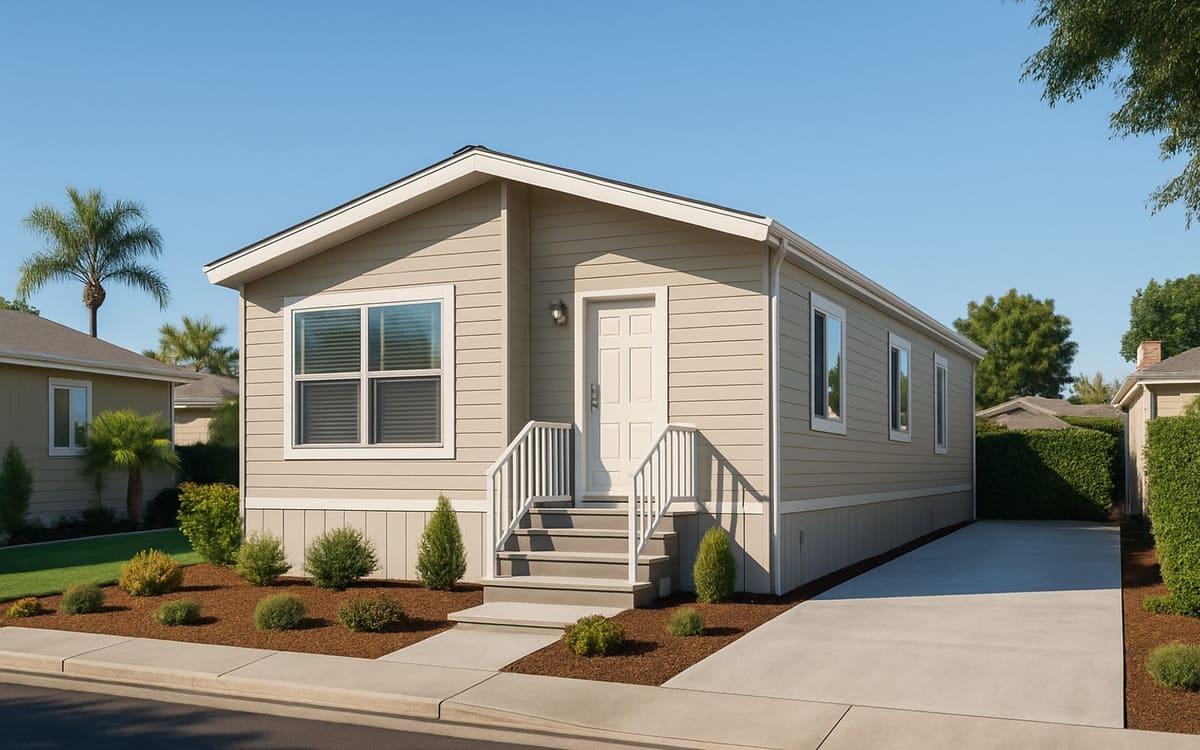
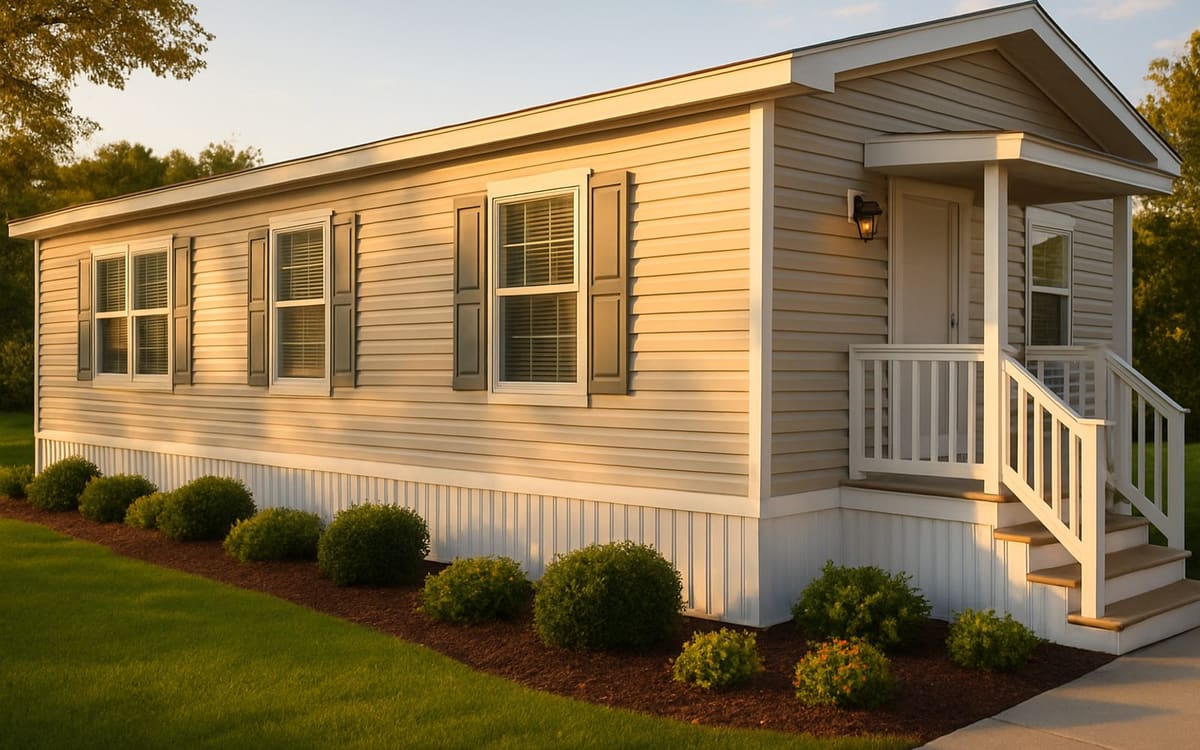
A single-section home (a single-wide) is built and delivered as one unit. A multi-section home (a double-wide or triple-wide) arrives as two or more sections that are joined on site. Choose a single-section home if you want the lowest price and upkeep and one or two people will live there, or if the space you have in mind only fits one.
Choose a multi-section home if you need more bedrooms, wider rooms or a layout closer to a site-built house, and the site and budget allow it. The number of sections also changes delivery, the paperwork, and how the home’s value is reviewed.
What single-section and multi-section mean
A section is one factory-built unit of the home. Each is built on its own steel chassis, travels down the highway separately, and carries its own HUD label and serial number. Because a section has to fit on the road, it is long and narrow. Joining two side by side roughly doubles the width, and that is what changes the floor plan.
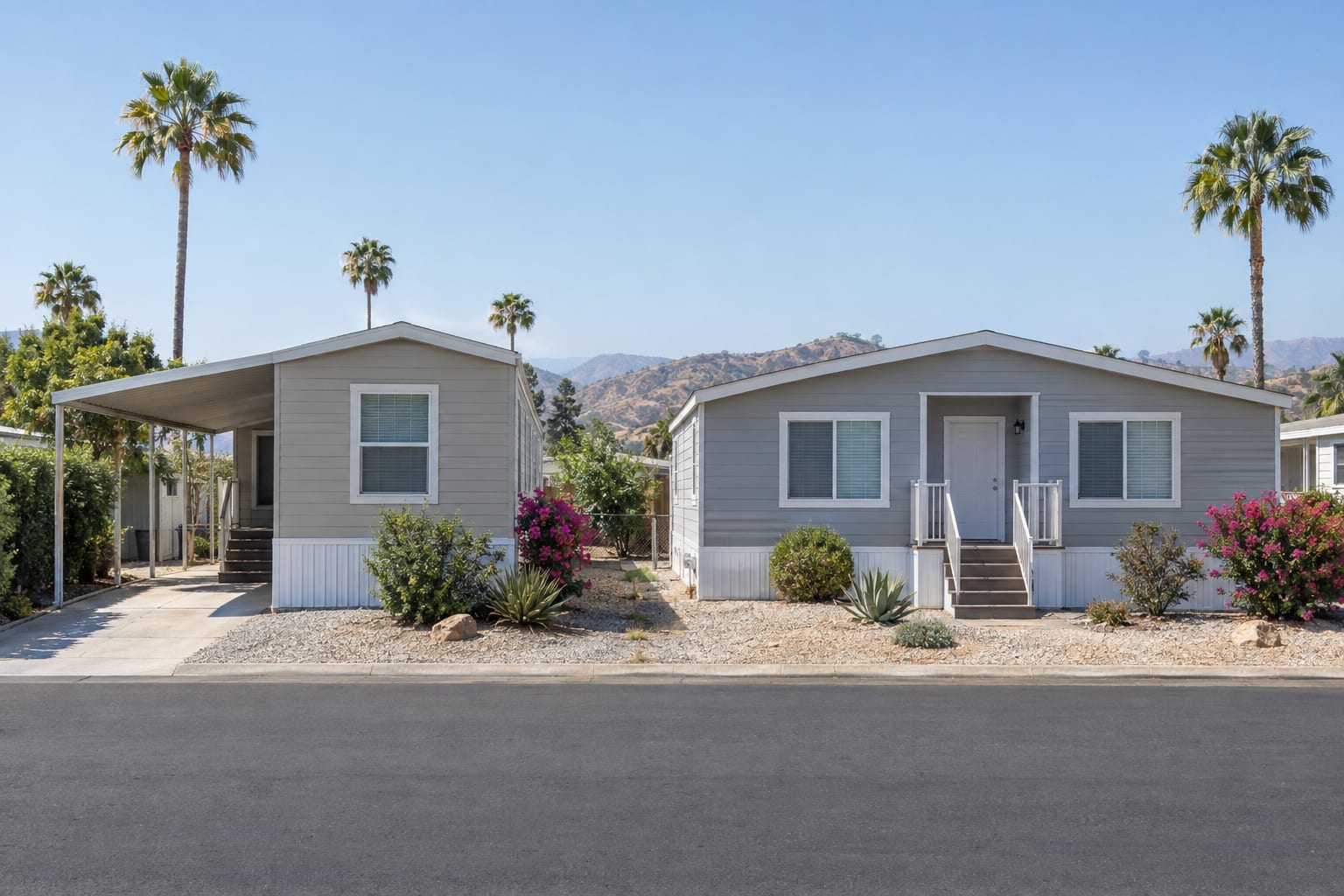
New single-section homes averaged about 1,070 square feet in 2025 and new double-section homes about 1,770, according to the U.S. Census Bureau’s Manufactured Housing Survey. Older homes are often smaller, and three-section homes are larger. The same survey shows that about six in ten of the new homes placed in 2025 were multi-section, so neither size is unusual.
Single-section and multi-section homes compared
| Feature | Single-section | Multi-section |
|---|---|---|
| Average size, new homes in 2025 | About 1,070 square feet | About 1,770 square feet (double) |
| Shape | Long and narrow | Wider, closer to a site-built house |
| Usual layout | Rooms in a line along a hallway | Central living area, bedrooms at each end |
| Purchase price | Lower | Higher |
| Delivery and set-up | One section to move and install | Two or more to move, join and finish |
| Space or lot | Fits a narrower space | Needs a wider one |
| HUD labels and serial numbers | One of each | One of each per section |
| Arizona titles | One | Generally one per section |
| Upkeep and utilities | Less roof, floor and air to condition | More of each |
What the extra width changes in the layout
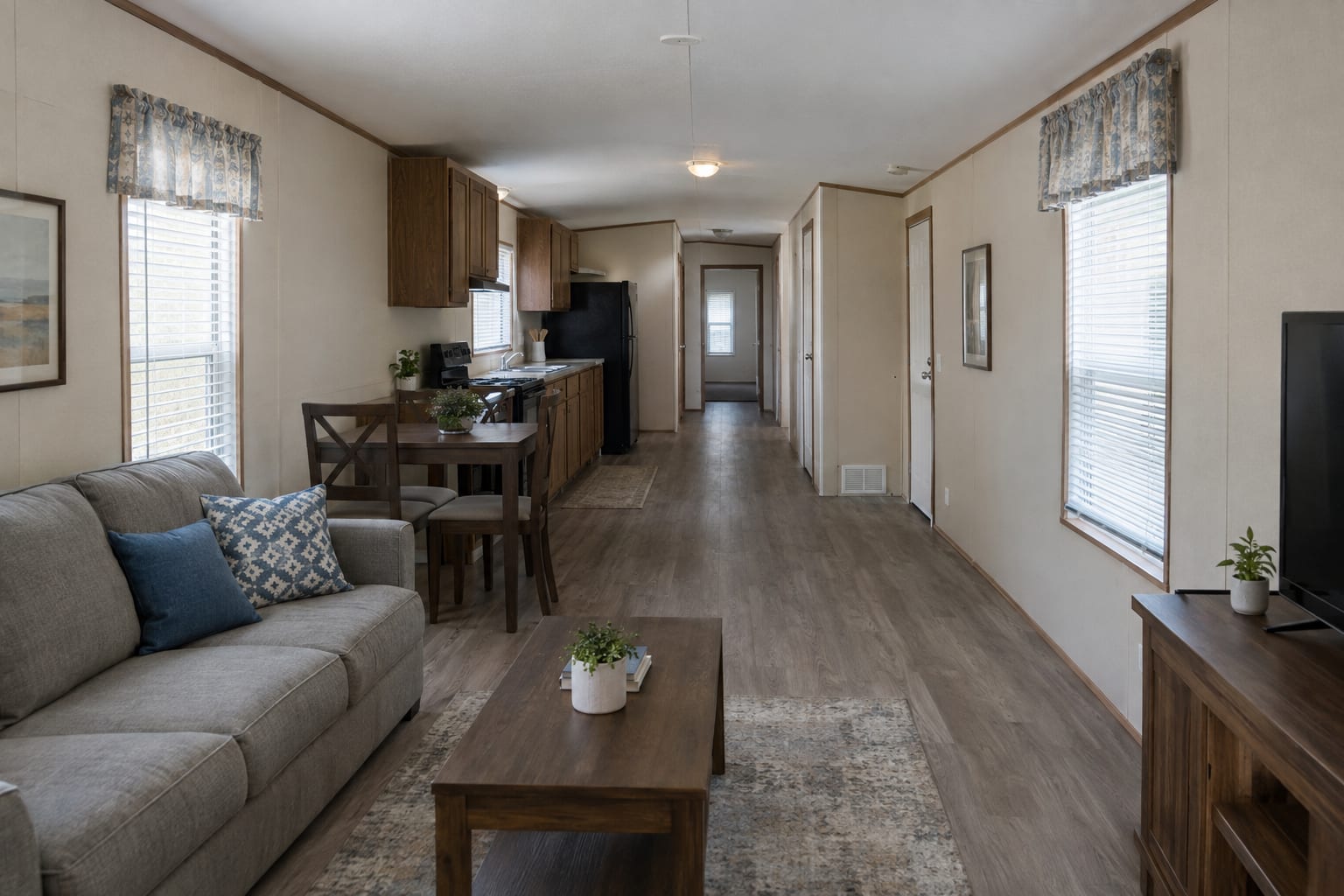
In a single-section home the rooms usually line up along the length. The living room and kitchen sit at one end or in the middle, and the bedrooms and bath open off a hallway. It works well for one or two people. Storage is the usual complaint, so look at the closets and the pantry, and ask whether the space allows a shed.
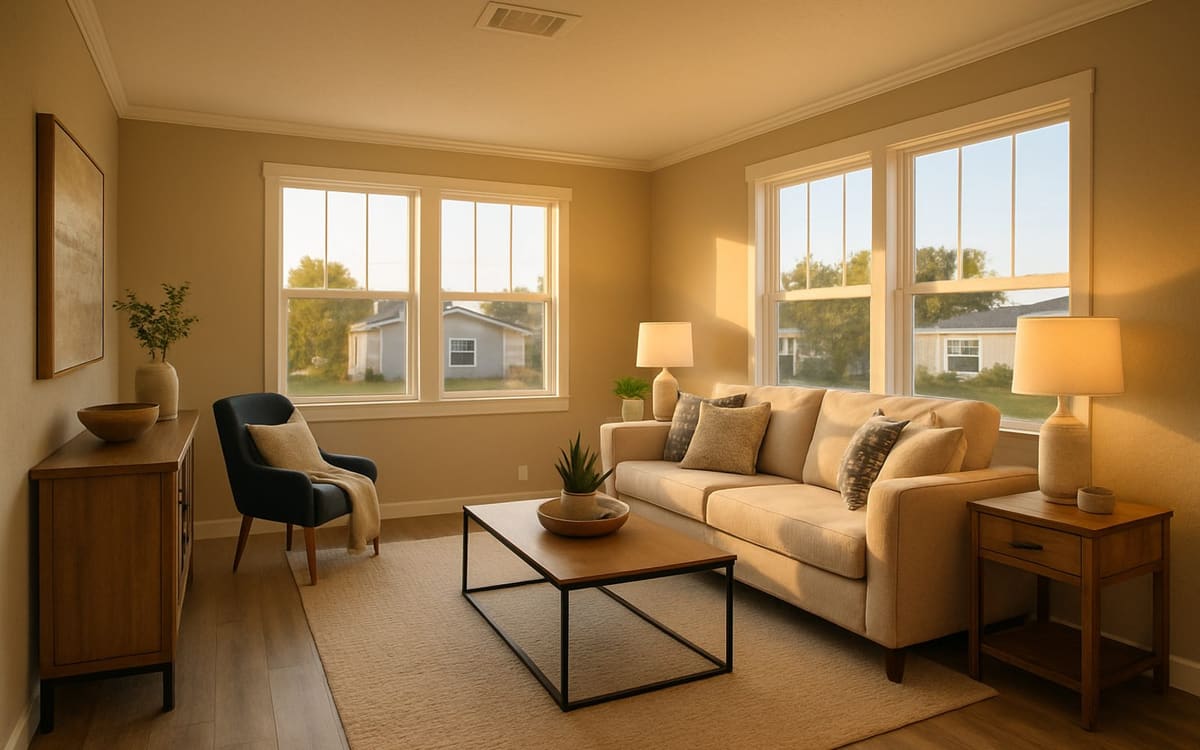
A multi-section home has room for a central living area, with the main bedroom at one end and the other bedrooms at the other. There is often a separate dining area or office and a second bath. If people in the household keep different hours, work from home or have regular guests, that separation is what you are paying for.
The seam where two sections meet is called the marriage line. In a finished home it is hidden under flooring, trim and the roof ridge. An inspector checks it at the floor, the ceiling and the roof for cracks or separation, as inspection vs. appraisal explains.
Cost goes beyond the price of the home
A single-section home costs less to buy than a multi-section home of similar age and condition, because there is less of it. Three other costs change with the number of sections.
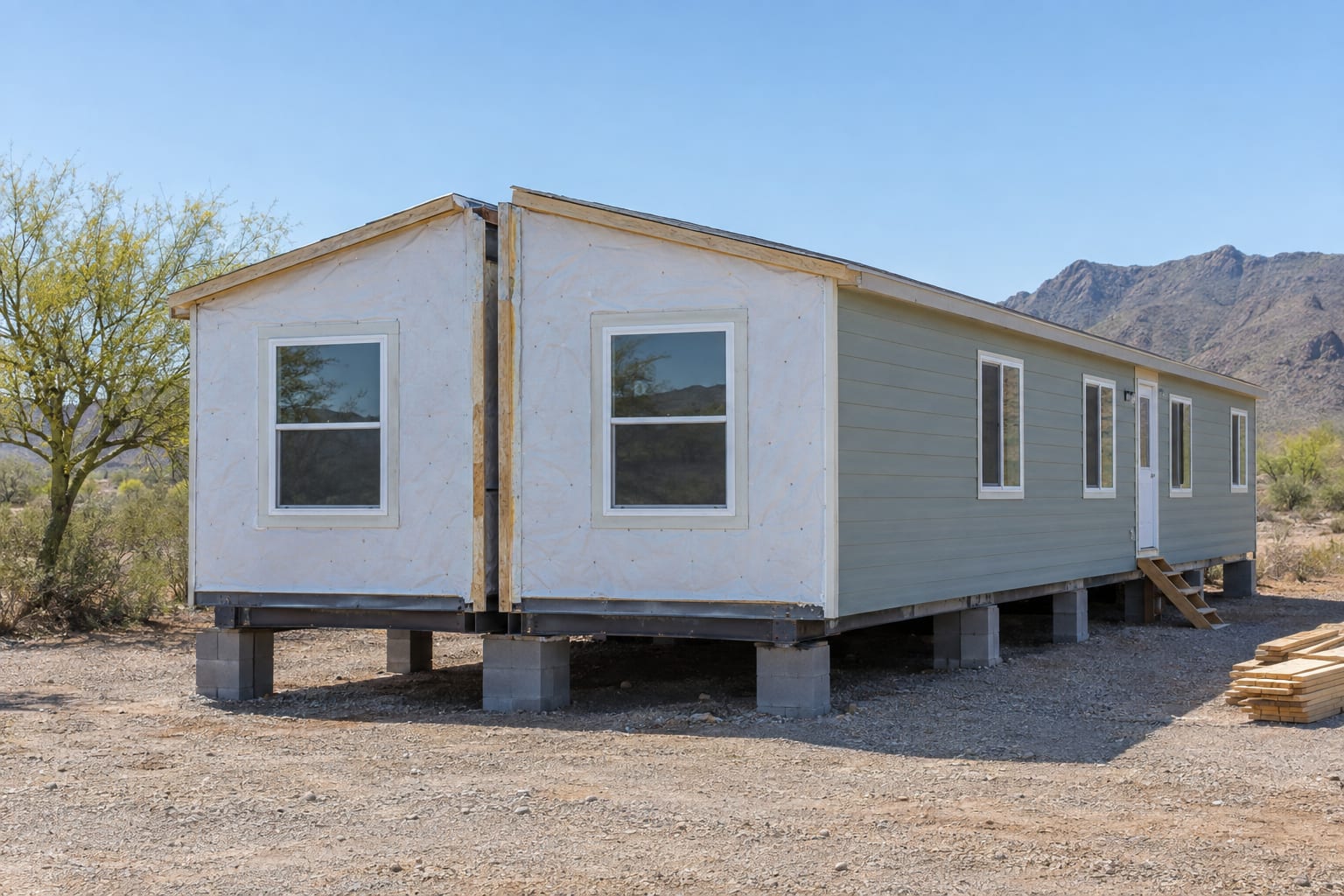
Delivery and set-up. With a new home, each section is transported and set in place separately. The sections are then joined, the roof and floors are finished across the seam, and utilities are connected between them. That is more work than setting one section, and the dealer’s quote should show it. How to budget for a new manufactured home lists what to ask a dealer to itemize.
The space or lot. In a community, find out what the space will take. Some spaces were laid out for single-section homes, and a wider home will not fit every one. Ask the community whether space rent differs with the size of the space. On your own land, setbacks and the route a delivery truck has to take can limit the size.
Running costs. A larger home has more to heat and cool, more roof and more floor. Utility and upkeep costs generally rise with size, though the home’s age, insulation and equipment matter as much as its square footage.
How the number of sections affects paperwork, value and financing
Each section has its own HUD label and serial number, and the serial numbers usually differ only by a final letter. The title record should list every section, and the numbers should match the home. HUD label, data plate and serial number shows where to find them.
The two states handle titles differently. Arizona titles are handled by the MVD, generally one title per section, so selling or financing a double-section home means two titles that both have to be in order. ADOT explains this on its mobile home ownership page. California titles and registers manufactured homes through HCD, not the DMV.
Value is generally reviewed by comparing the home with recent sales of similar homes, and the number of sections is one of the first things matched. A single-section home is compared with other single-section homes. In a community where few homes of your type have sold, there is less to compare with.
Lenders always ask how many sections a home has. Single-section homes can be financed, but some loan programs treat them differently or set a minimum size, so give the section count when you first ask about purchase financing. Requirements depend on the program, the home’s age and condition, your credit, and whether the land is owned. All financing is subject to credit approval.
Questions that settle the choice
Whichever size you tour, write down the year, the number of sections and the dimensions on the home details worksheet in the before-you-shop checklist. Those facts open every financing conversation. Size is only one thing to weigh, and the features that matter most when you buy covers the roof, the heating and cooling, and the rest.