Buying a Manufactured Home in Sunnyvale, California: Space Rent, Local Rules and What to Ask
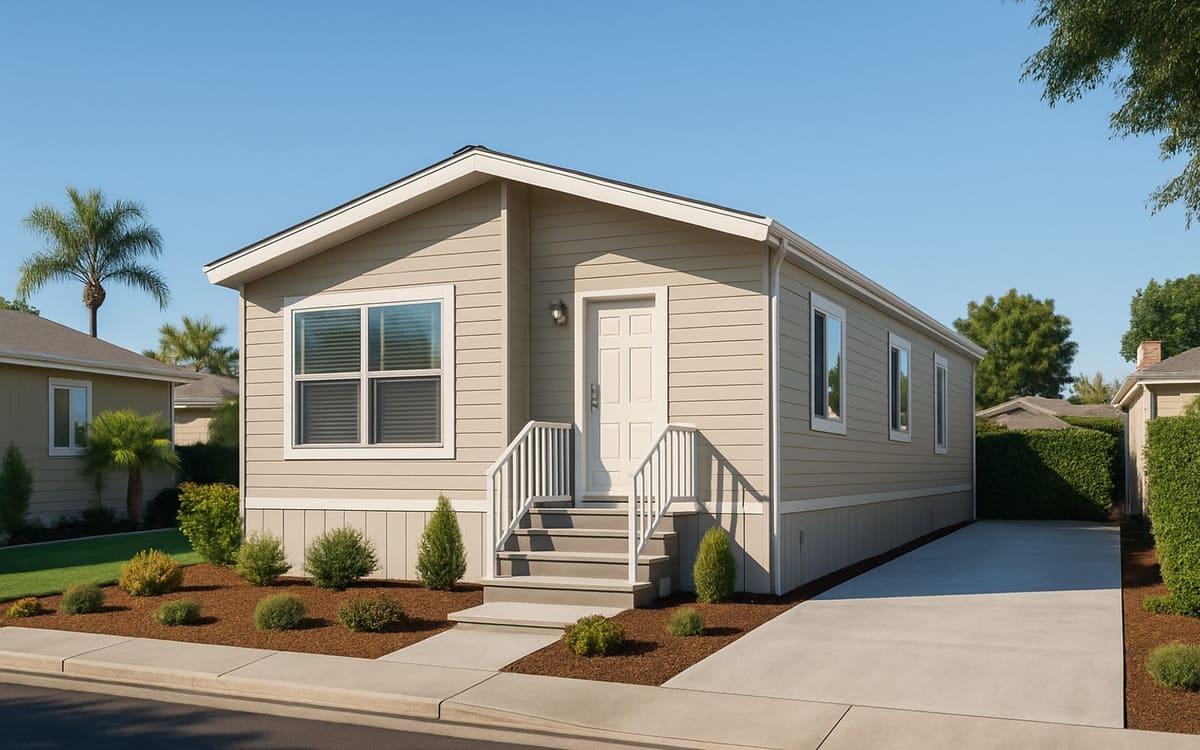
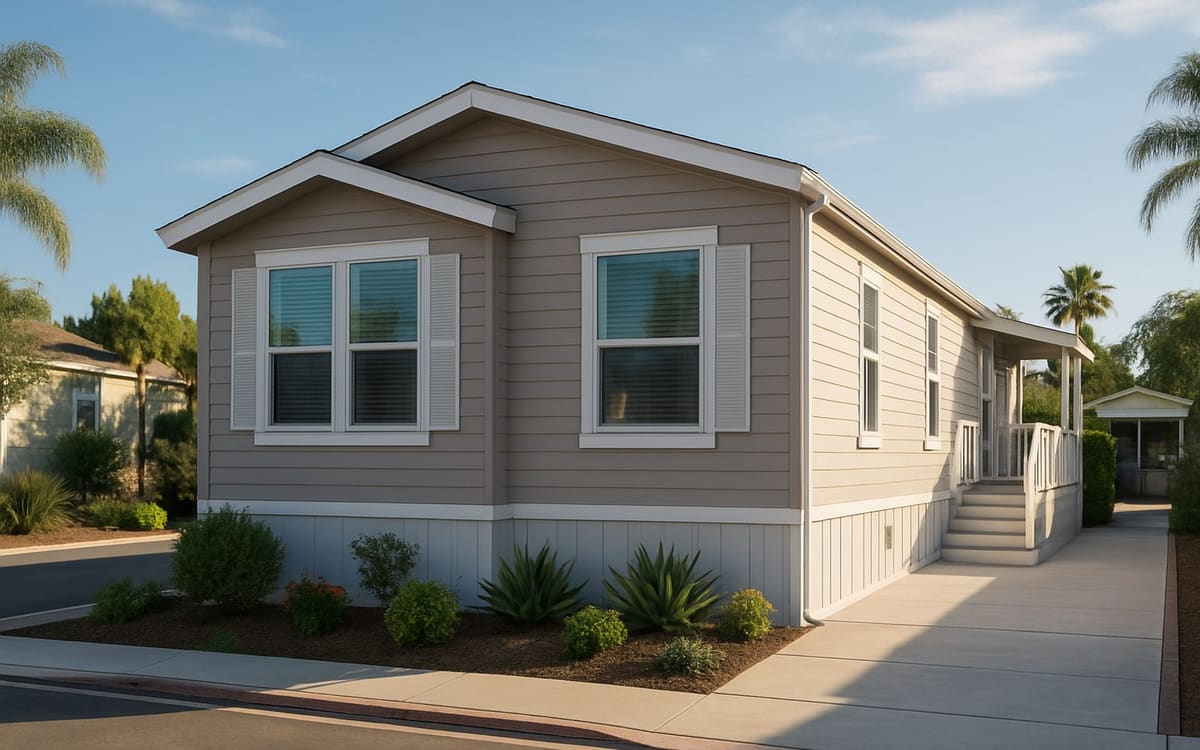
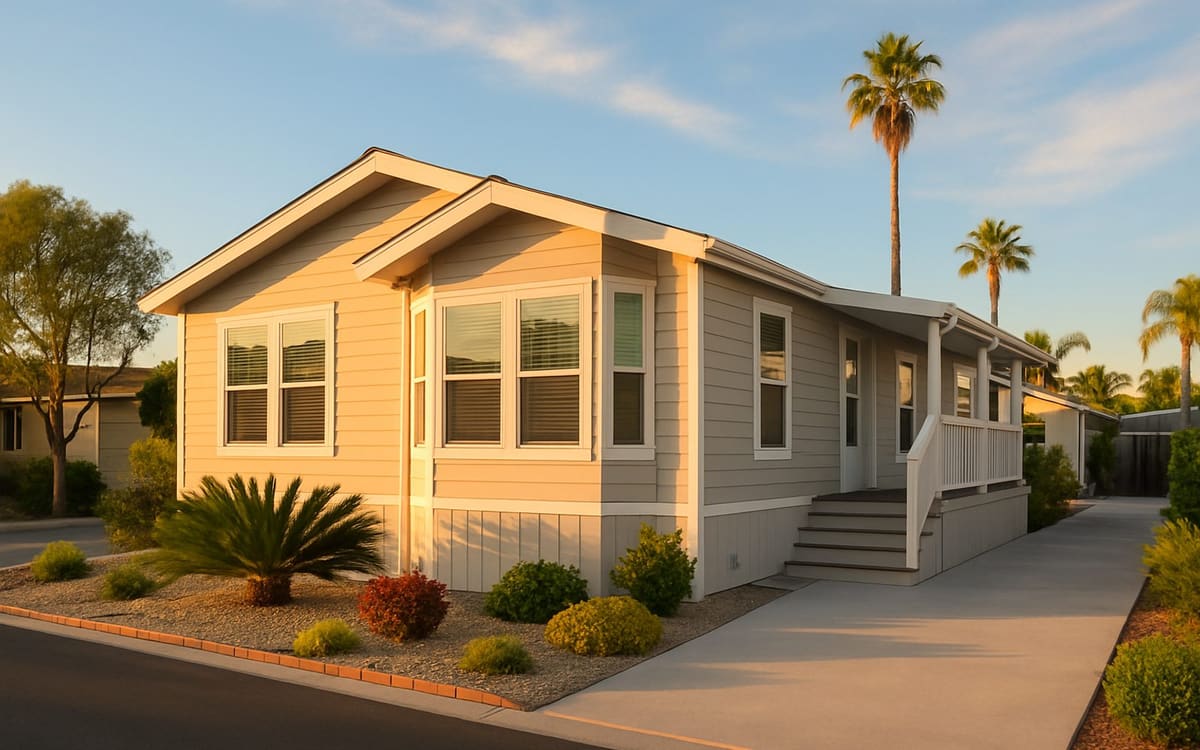
A manufactured home in a Sunnyvale community can be a realistic way to own a home in Silicon Valley, provided you judge it on the whole monthly cost. You buy the home and rent the land under it. The price of the home is one half of the comparison, and the space rent, which you pay for as long as you live there, is the other.
Whether it works for you comes down to three things: the full monthly cost, how the city you are buying in handles space rent, and the age and condition of the home.
You buy the home and rent the space under it
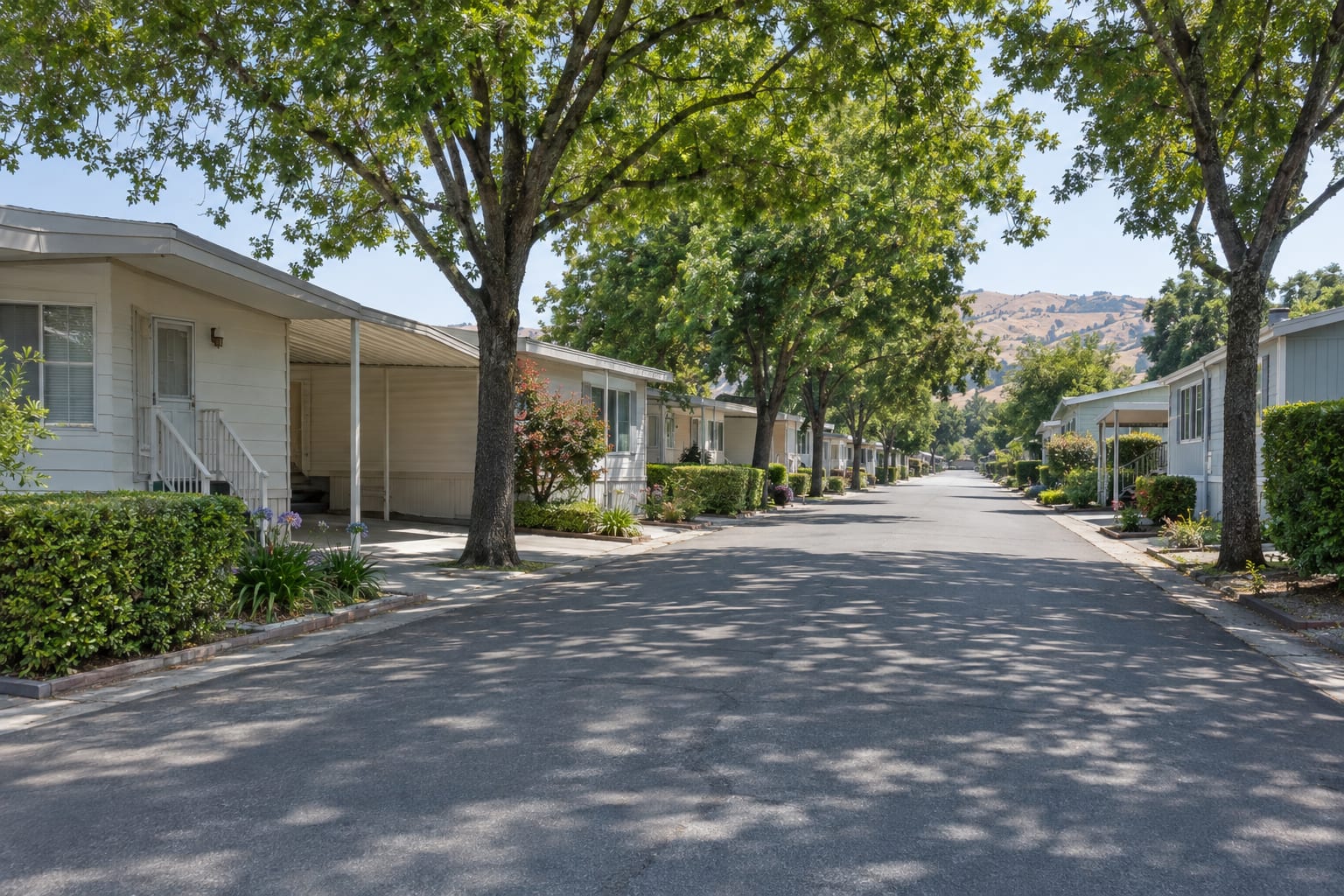
Manufactured homes in Sunnyvale are generally in land-lease communities, which most people here call mobile home parks. The park owner owns the land, the streets and the common areas. You own the home and pay a monthly space rent for the homesite.
That arrangement sets the kind of loan. A home on a rented space is personal property, titled and registered through HCD (the California Department of Housing and Community Development), and it is financed on its own with a home-only loan, also called a chattel loan. No land is part of the purchase or the collateral.
It also explains the price. Manufactured homes typically cost less than comparable site-built homes, and in a park you are not buying Silicon Valley land. In exchange you take on a rent that the owner of a house does not have, and the land’s value never becomes yours.
Add the space rent to the loan payment before you compare homes
A home in a park and a site-built house are paid for differently each month, and the asking price shows only one line of it.
What the monthly cost is made of
| Cost | Home in a community | Site-built house |
|---|---|---|
| Loan payment | On the home only | On the house and land |
| Space rent | Paid to the park every month | None |
| Taxes or fees on the property | On the home | On the house and land |
| Insurance | A policy on the home | A policy on the house |
| Utilities | Some may be billed through the park | Billed by each utility |
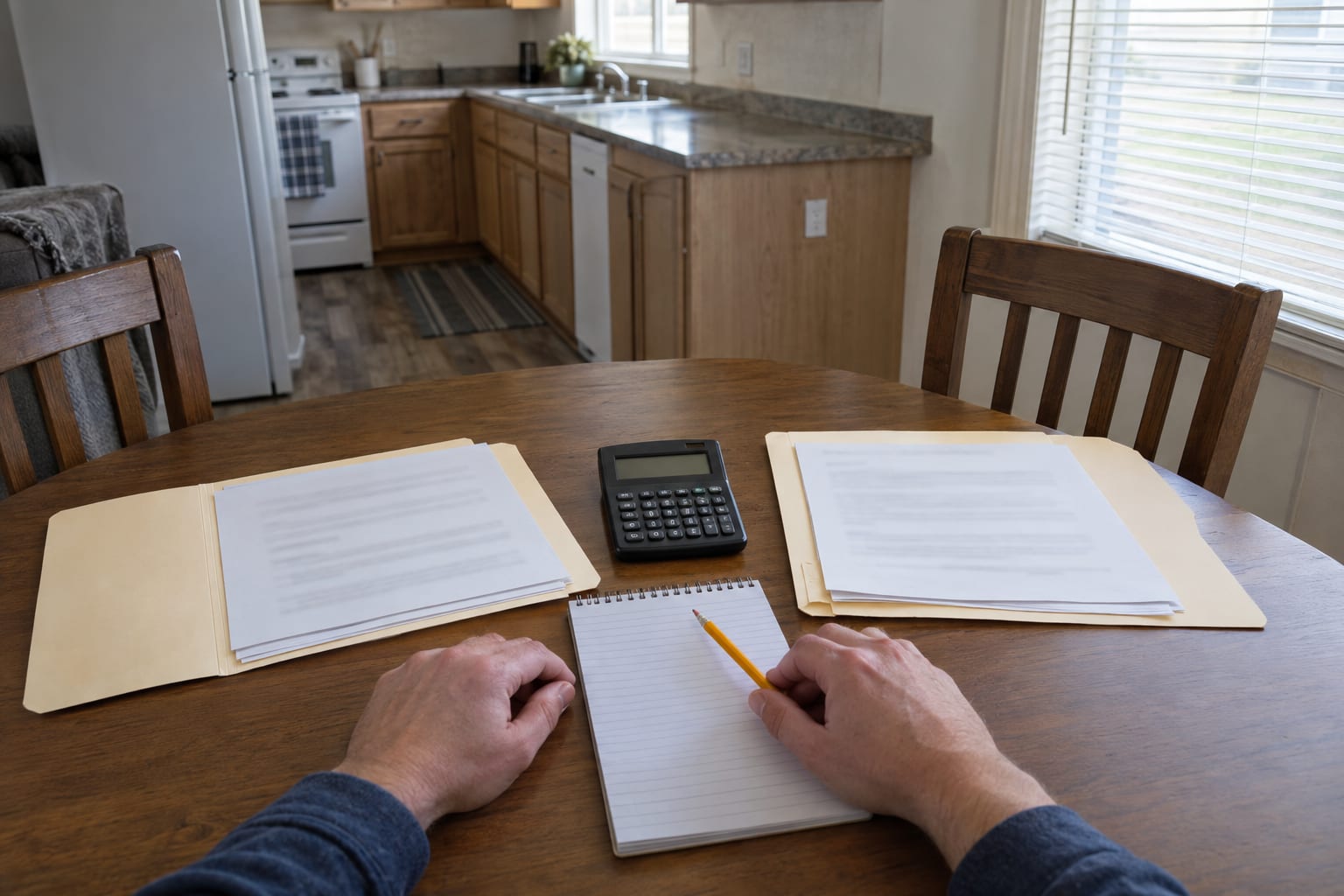
A lender does the same sum. Your monthly housing cost (payment, taxes, insurance and space rent) is compared with your gross monthly income, and acceptable ratios depend on the program, your other debts and disposable income. A higher rent leaves less room for a loan payment, so the rent affects how much you can borrow as well as what you pay.
For the loan side, enter your own figures in the payment calculator, then add the rent the community gives you in writing. The results are educational estimates, not a loan offer. How space rent affects what you can afford walks through a full side-by-side comparison.
Sunnyvale uses an agreement with park owners, not a rent ordinance
How space rent can rise matters as much as where it starts, and South Bay cities handle that differently.
Sunnyvale does not have a rent stabilization ordinance for mobile home parks. In 2021 the City Council adopted a Mobile Home Park Memorandum of Understanding (MOU) with park owners, which the City describes as an alternative to an ordinance. Parks where the homes themselves are rented are not part of it. The City’s mobile home parks page, linked in the table below, has the document and the list of parks that signed.
How three South Bay cities address space rent
| City | Approach | Where to read it |
|---|---|---|
| Sunnyvale | Memorandum of Understanding with park owners | City of Sunnyvale |
| San Jose | Mobilehome Rent Ordinance | City of San Jose |
| Mountain View | Mobile Home Rent Stabilization Ordinance | City of Mountain View |
The limits themselves are detailed and are revised from time to time, so read the city’s own page for the community you are considering. If your search extends south, San Jose has its own financing page. This is general information, not legal advice.
What to ask a Sunnyvale community before you make an offer
The resident application is its own review. The community decides whether to accept you as a resident and the lender decides whether to finance the home, and a purchase needs both. Passing community resident approval explains how to keep the two moving together.
Check the home as carefully as the park
In an established park, homes range from recent replacements to homes that have been on the same space for decades. Three checks tell you which you are looking at:
- The build date. A manufactured home is a factory-built home constructed on or after June 15, 1976 to the federal HUD Code. A factory-built home from before that date is, technically, a mobile home. Which programs can apply depends on the home’s age and type, its condition and the loan amount.
- The identifiers. Photograph the HUD label outside and the data plate inside. HUD label, data plate and serial number shows where each one is.
- What the home rests on. The Bay Area is earthquake country, and a home in a park usually sits on piers. Ask whether an earthquake-resistant bracing system has been installed and for the permit record. Earthquake damage is generally not covered by a standard homeowners policy and is insured separately.
Once you know the home’s year, the rent for the space and the community’s answers, talk with a specialist before you write the offer. Financing is subject to credit approval, and not all applicants or homes qualify.