Buying a Mobile Home Built Before 1976: What to Check Before You Commit
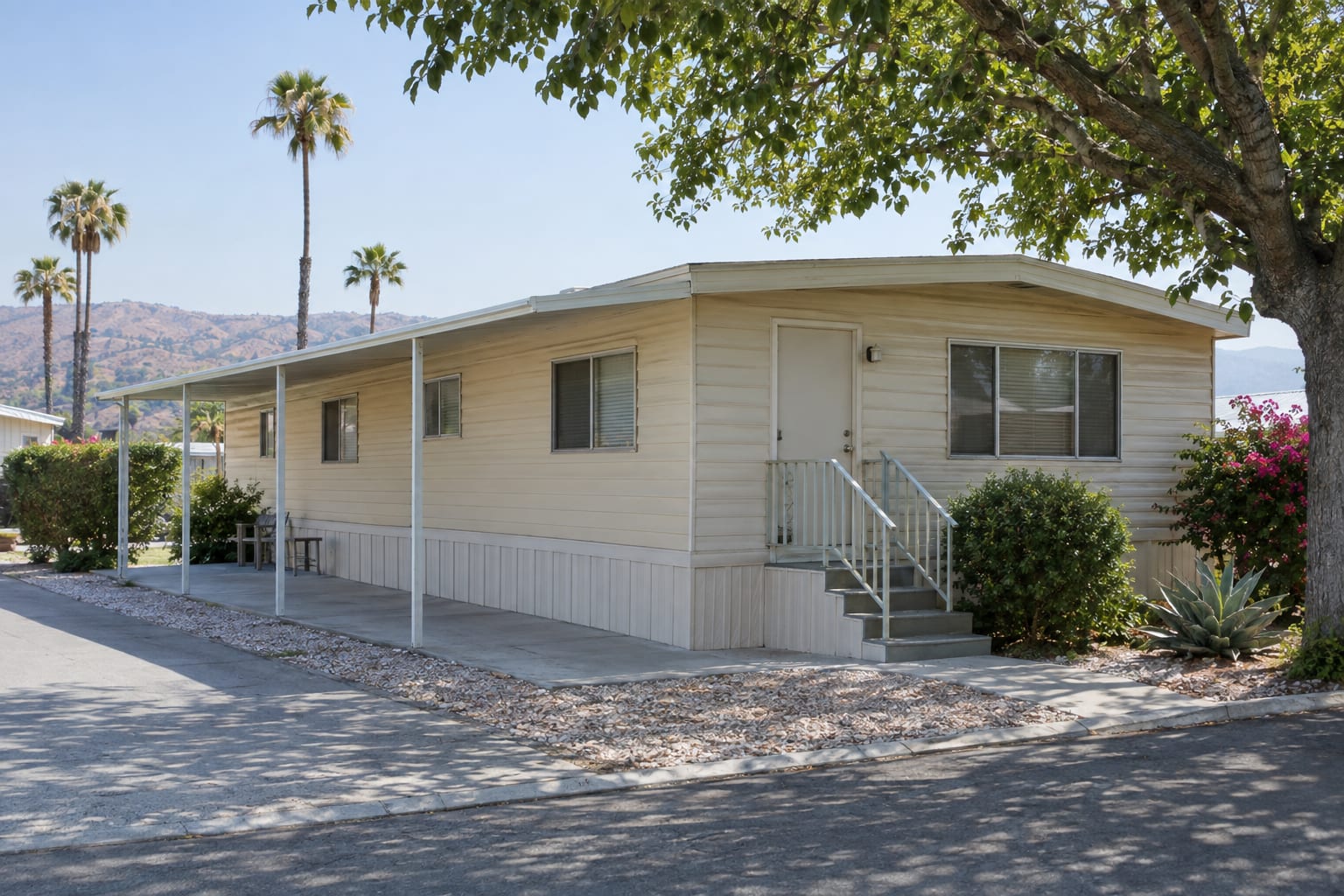
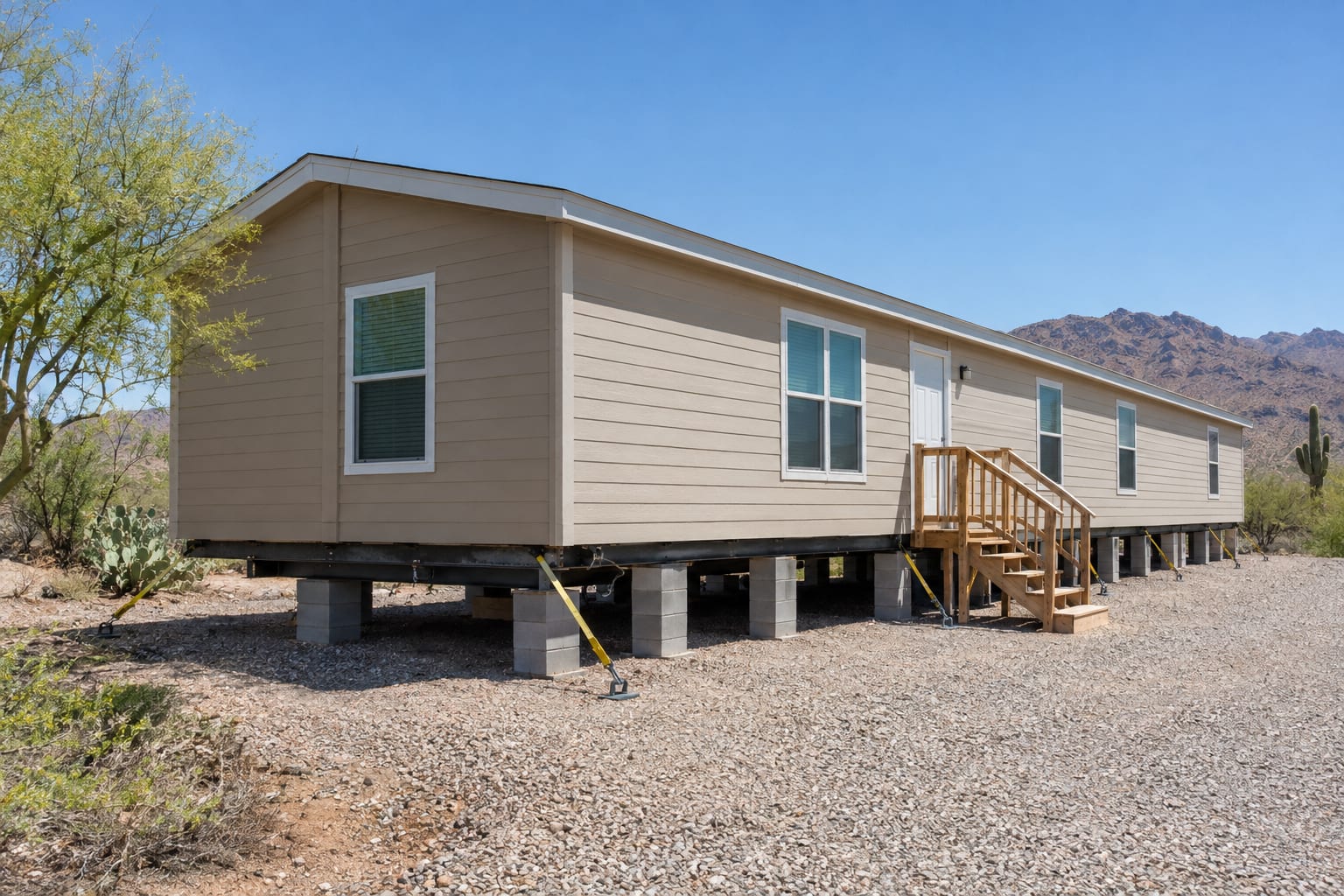
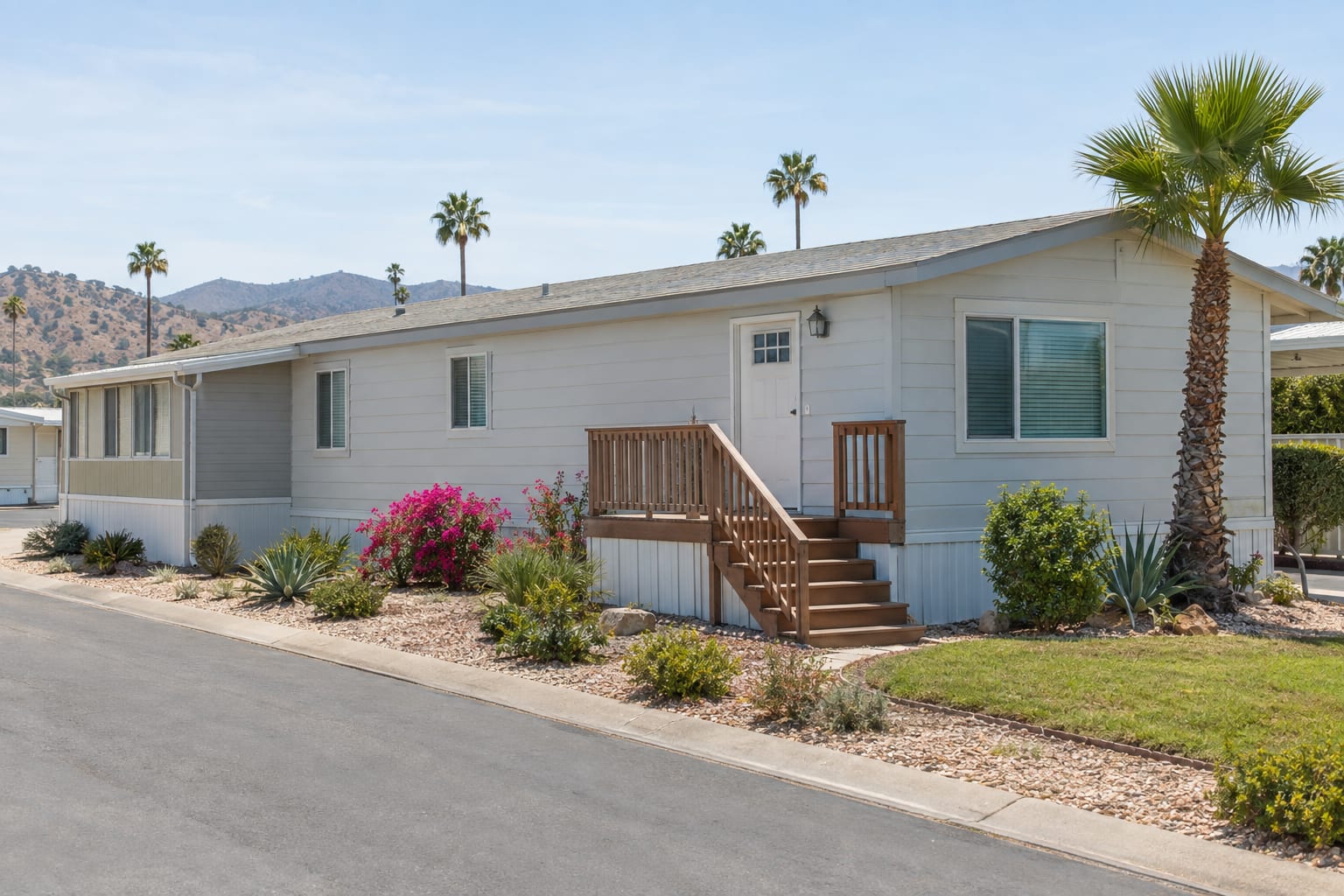
A factory-built home from before June 15, 1976 was built before the federal HUD Code took effect, so it has no HUD label and is, technically, a mobile home rather than a manufactured home. That date decides more than the name. It affects whether an insurer will write a policy, whether a community will let the home stay when it changes hands, and whether a financing program will review the home at all. Each of those is a question to answer before you make an offer, not after.
How pre-owned homes of any age are reviewed is covered in financing options for pre-owned homes. This article is for the buyer looking at a home from before the line.
Why June 15, 1976 is the line
On that date the federal Manufactured Home Construction and Safety Standards, known as the HUD Code, took effect for every factory-built home sold as a manufactured home. HUD describes the standard and the label that certifies it on its manufactured housing pages. A home built to the code carries a small metal HUD label on the outside of each section; a home built before it has none, because there was nothing to certify.
A pre-HUD home is not necessarily in poor condition. Many have been kept up for decades. But the lender, the insurer and the community each treat the date as a fact about the home that cannot be changed by renovation.
Confirm the age from three places
Do not rely on the seller’s memory or the listing. The age is written on the home and in its records.
Where a mobile home’s age is recorded
| Source | What it shows | Where to look |
|---|---|---|
| Data plate | Manufacturer, date of manufacture, serial number | A paper sheet inside the home: a kitchen cabinet, near the electrical panel, a closet |
| HUD label | Present only on homes built on or after June 15, 1976 | Riveted to the exterior end wall of each section |
| Title or registration record | The model year the state has on file | HCD in California, ADOT MVD in Arizona |
| Serial number on the frame | Ties the physical home to the records | Stamped into the steel frame near the hitch end |
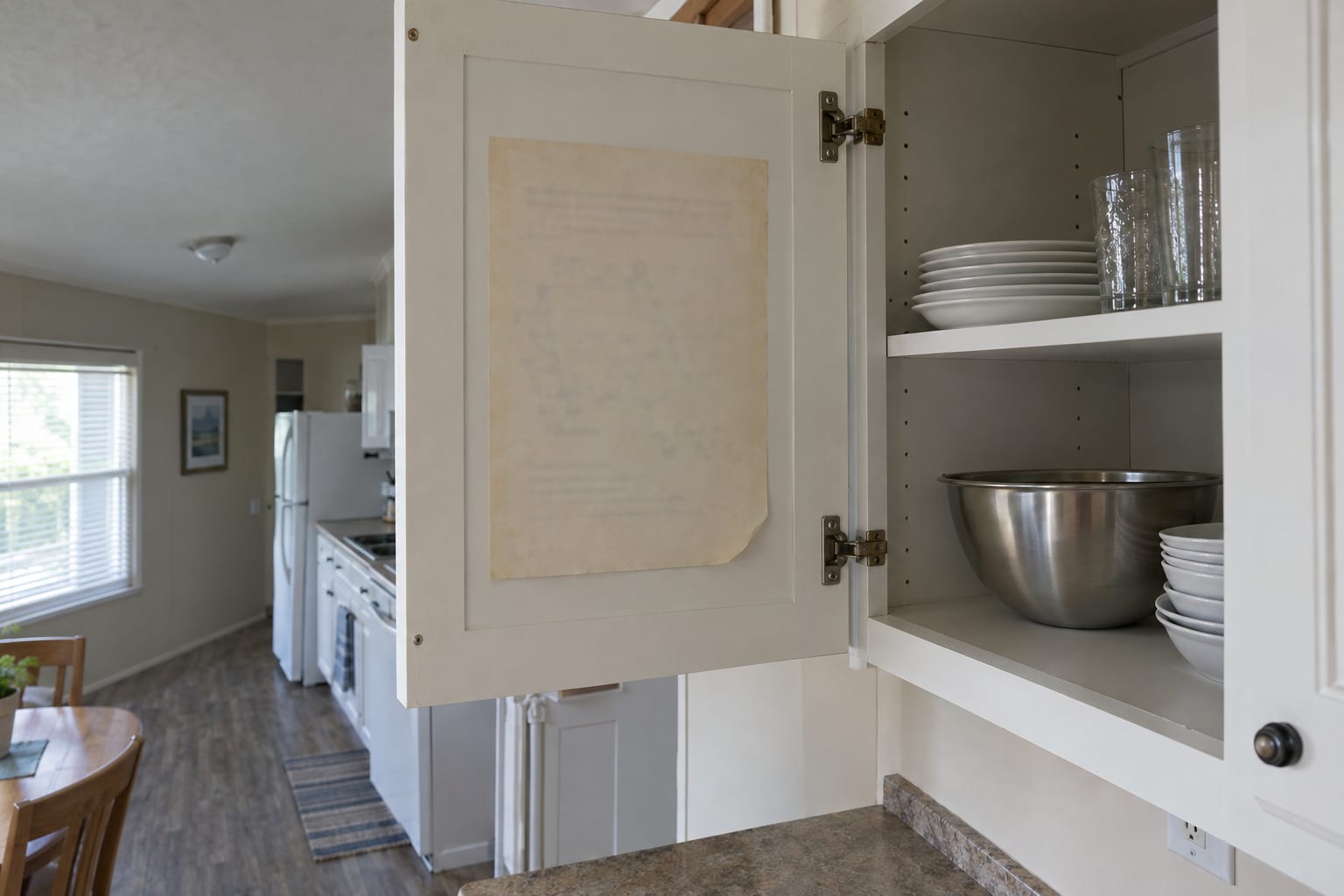
If the sources disagree, or the data plate is missing, stop and ask before you proceed. Where to find each identifier explains what to do when one is gone.
Five checks before you commit
Each check has a different person answering it, and the order below puts the ones that can end the purchase first.
The community and the insurer can decide the matter before any lender does. Some communities set a minimum age for homes that change hands or require an older home to be removed when sold. Some insurers do not write policies on homes beyond a certain age, or write them only after an inspection. Ask both in writing, and ask early.
Condition on an older home
An inspector looks at the same things on any home: roof, floor, plumbing, electrical, heating and cooling, and the piers, tie-downs and skirting underneath. On a pre-HUD home, the systems are older and were built to no federal standard, so ask the inspector to pay particular attention to the electrical panel and wiring, the water heater and its venting, the roof structure and any evidence of past leaks, and the frame.
An addition built onto an older home raises the same questions as on any home: whether it was permitted and how it is attached. Inspection versus appraisal explains why the condition report and the value review are different documents, and why you want both.
Ask about financing as a question
Whether a pre-HUD home can be financed depends on the program, the home’s condition, where it sits and the lender’s current guidelines, and the answer changes from program to program. Ask it plainly: can financing be reviewed for this home, at this address, in this condition? If the answer is no, you have learned it before paying a deposit. If the answer is that it depends, ask on what.
Programs and guidelines change, and not every home or applicant qualifies. Before you commit, you can describe the home to a specialist with the year, the data plate photo and the community’s answer in hand. That one conversation settles which of the remaining checks are worth paying for.