Has This Manufactured Home Been Moved? Why Buyers Should Ask
Ask every seller one question before you choose financing: has this home ever been moved from the place it was first set up? A home that has been relocated is not a problem by itself. Many have been moved once and set up well. But a move raises questions the lender, the insurer and the community will each ask, and some financing programs limit what they will review for a home moved from its original site. The answer is simpler to find before an offer than after one.
Buying a home that was moved in the past and planning to move one yourself are different situations with different checklists. Both are set out below, starting with the one buyers most often overlook.
A past move and a planned move are two different questions
Two situations, two sets of questions
| A home that was moved in the past | A home you plan to move | |
|---|---|---|
| What you are checking | How it was moved and reinstalled, and whether records exist | Whether it can be moved, permitted, installed and financed |
| Who holds the answers | The seller, the title record, the permitting agency, the setup itself | The lender, the receiving jurisdiction, a licensed installer, the current community |
| What can change the financing | Program limits on relocated homes; installation that cannot be verified | Whether financing is available for a home that will be relocated at all |
| When to ask | Before you make an offer | Before you buy, and before you give notice at the current site |
Why a past move matters
The move itself is the smaller concern; a licensed transporter does that work routinely. What matters is what happened at the other end and what was written down.
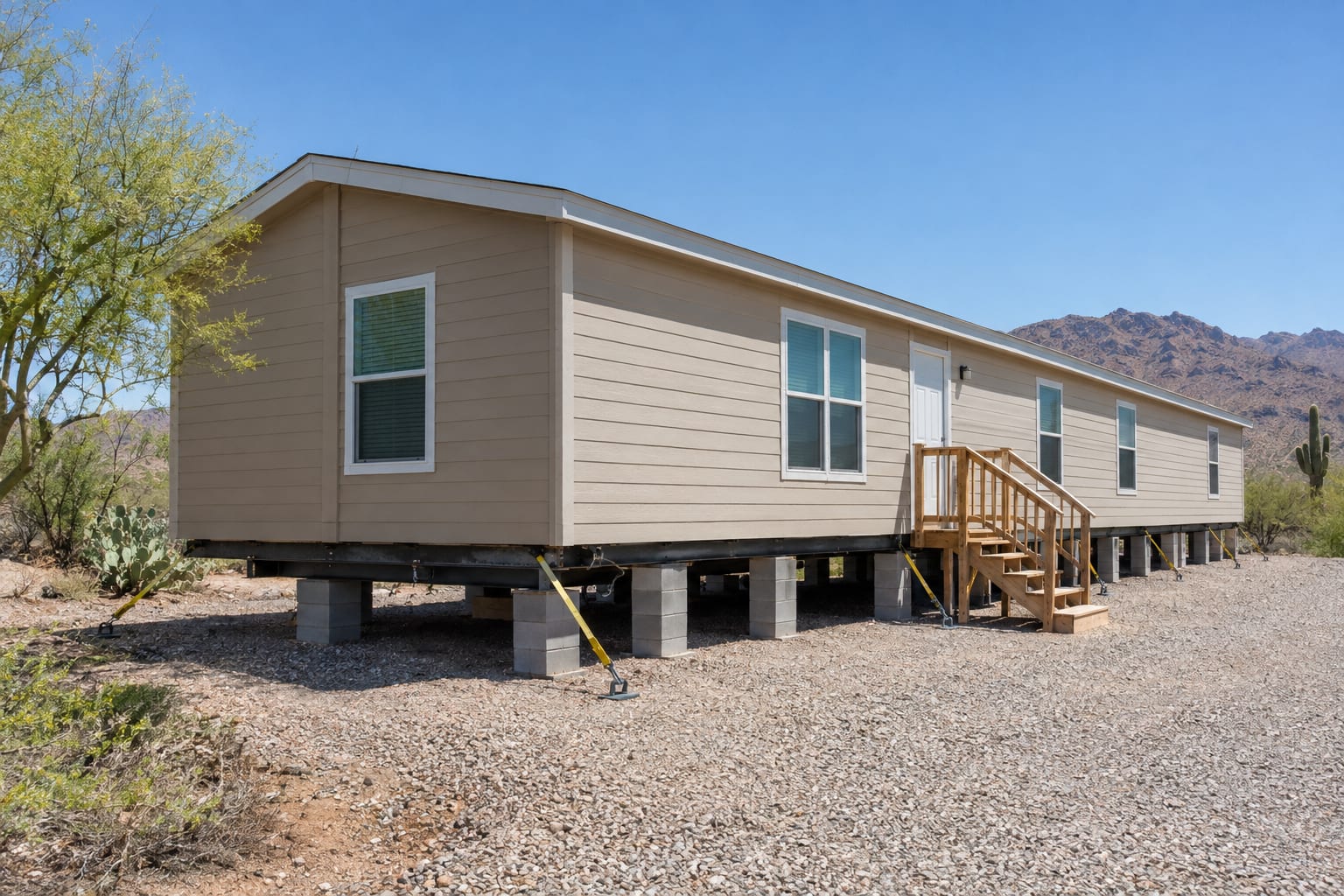
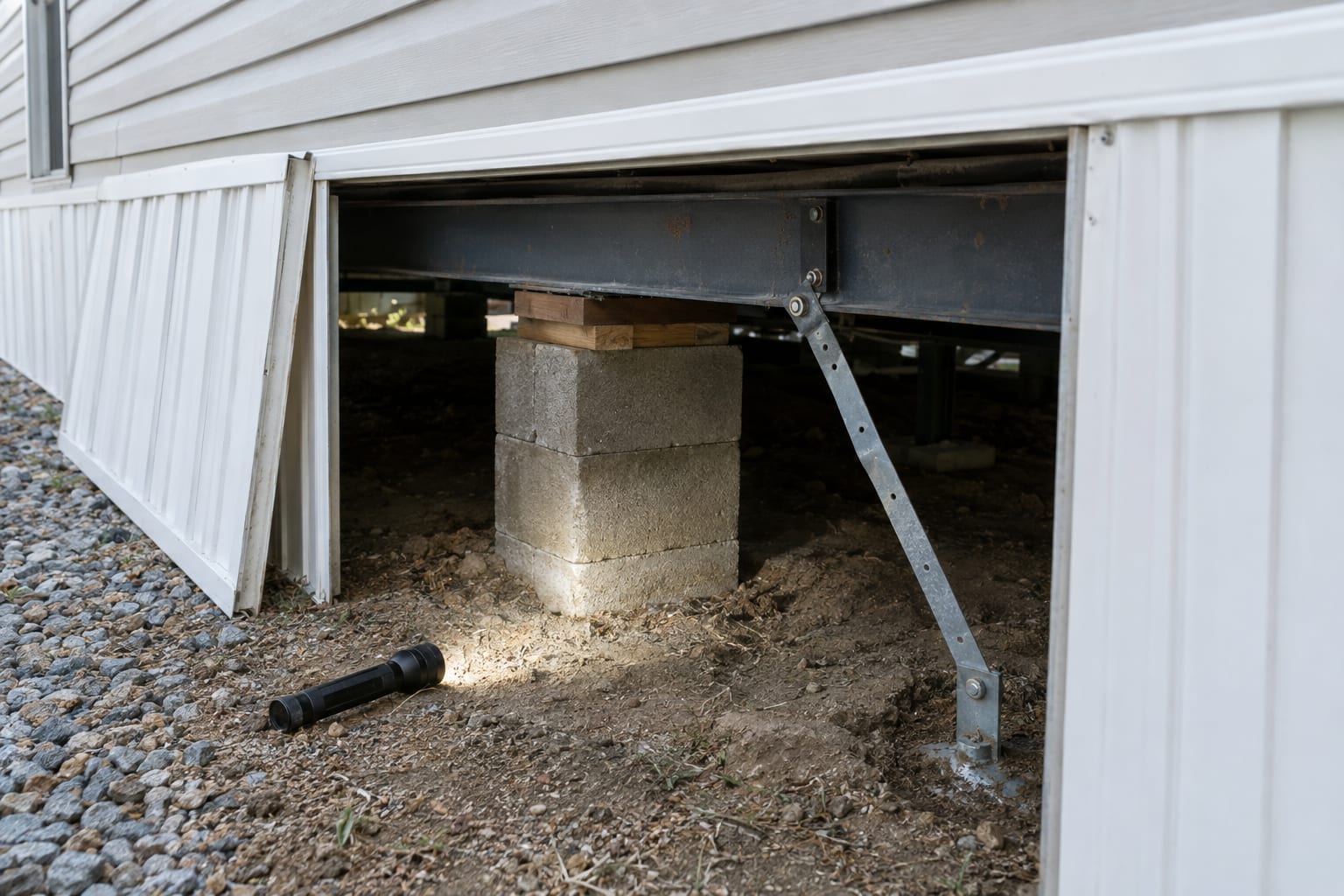
- Reinstallation. The piers, the tie-downs and the utility connections were redone at the new site. Done well and inspected, that is a fresh start. Done without a permit or an inspection, it is unknown.
- Permits. Installation at the current site should have a permit and a final inspection from the agency that covers it. Their absence does not prove a problem, but it leaves nothing to show the lender.
- Design zones. The data plate lists the wind, snow and thermal zones the home was built for. A home moved into a stricter zone than it was designed for raises a question for the installer, the insurer and the lender.
- Records. The title or registration should reflect the current location. A record that still shows the old address, or a decal from another county, is a loose end to tie off before closing.
- Program rules. Some programs limit financing for a home moved from its original site, and the limits differ. Ask whether the program you are considering has one.
How to find out
Start with the seller, then check what they say against the records and the home.
Checking a home’s move history
- Ask the seller When was the home set here, where did it come from, and who installed it?
- Read the data plate It names the manufacturer and the first dealer, which hints at where the home was first sold, and lists the design zones. Where to find it explains what to look for.
- Check the title record In California the HCD record, in Arizona the ADOT MVD title, may show the location on file and earlier decals or addresses.
- Ask the permitting agency HCD or the local jurisdiction in California, and the Arizona Department of Housing in Arizona, can say whether an installation permit exists for the current site.
- Look at the setup Newer piers under an older home, fresh skirting on one side only, or utility connections that look recent all suggest a re-set. Ask your inspector to note what they see under the home.
If you plan to move the home yourself
The order of the questions is what protects you here, because the costly mistake is buying first and asking second.
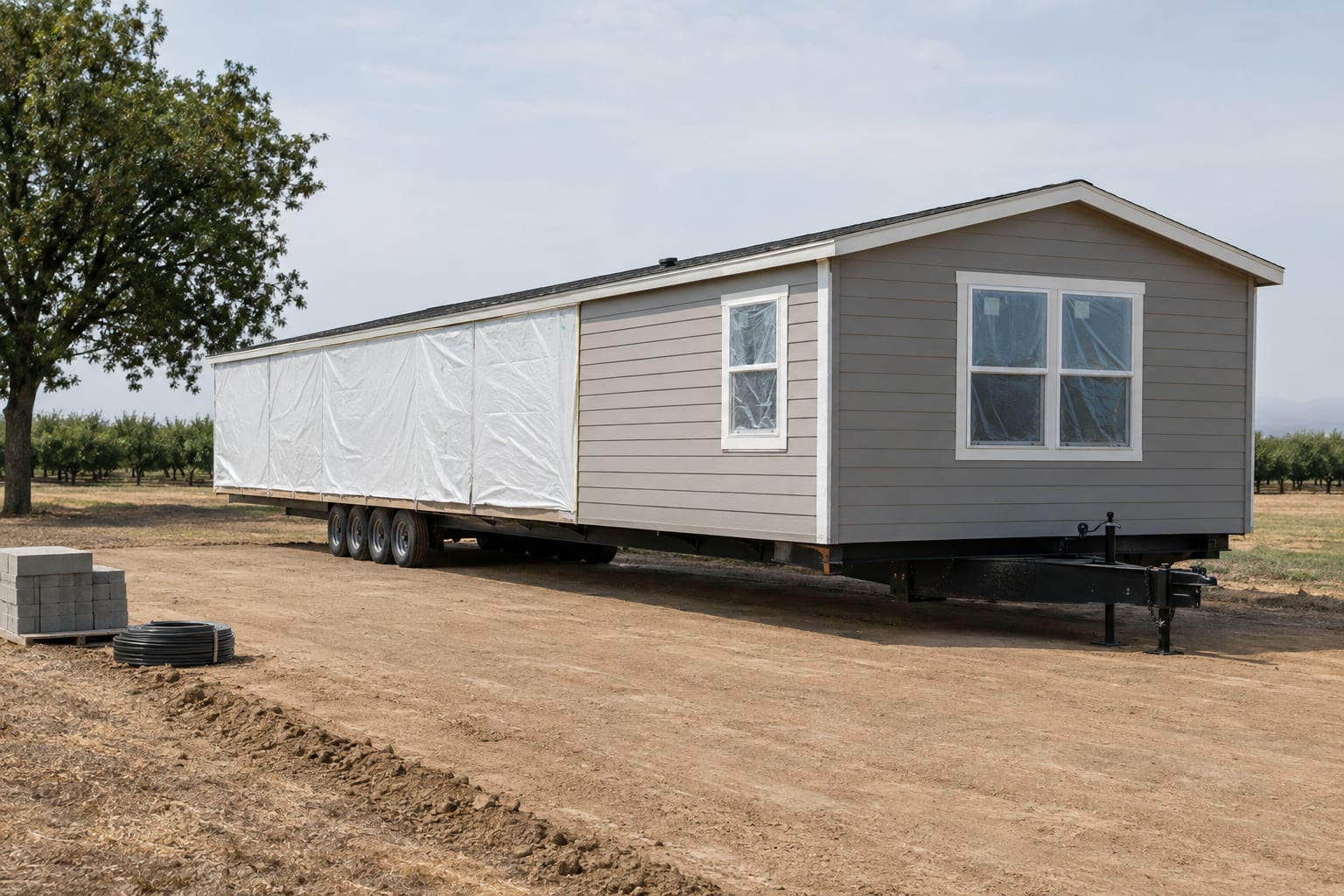
Keep every permit, inspection record and installer invoice from the move. They answer, for the next buyer, the question you are asking now.
This is general information, not legal advice, and installation and permit procedures change. Confirm current requirements with HCD, the local jurisdiction or the Arizona Department of Housing. Financing for a relocated home depends on the program and the home, all financing is subject to credit approval, and not every home or applicant qualifies.