Are Manufactured Homes Safe in Earthquakes? What California Buyers Should Know
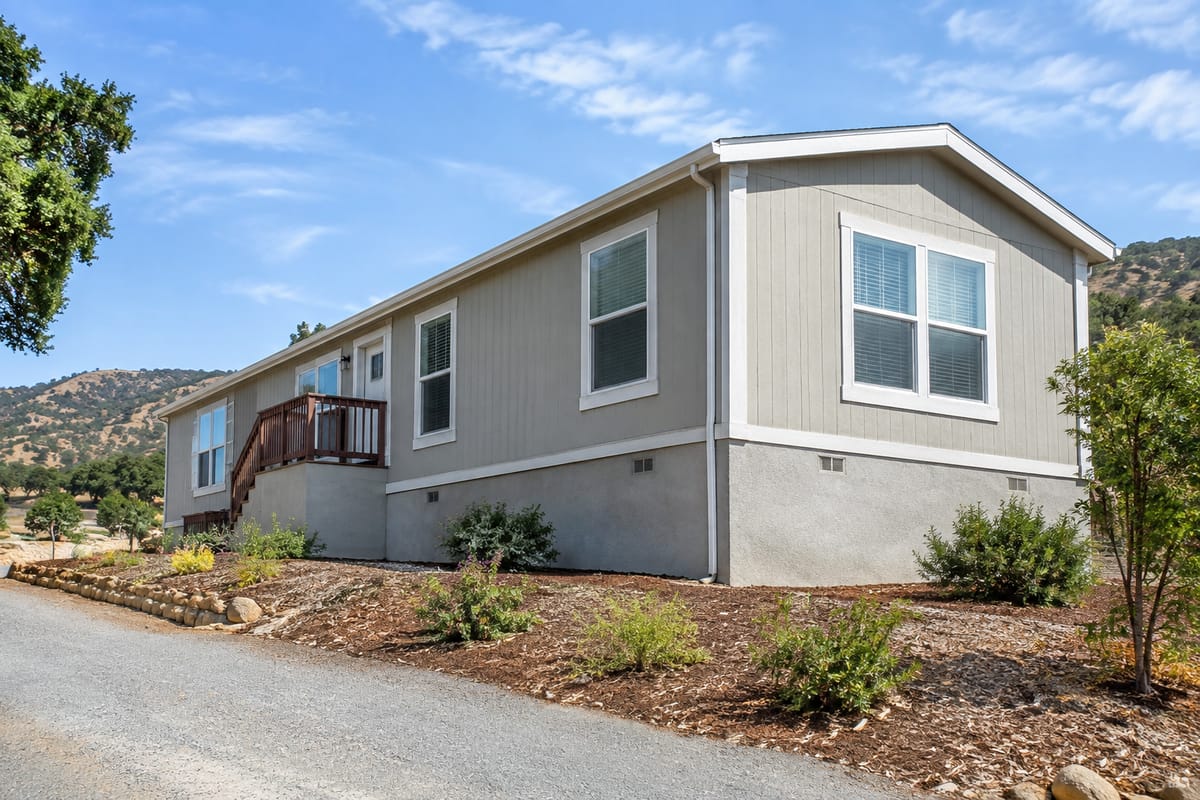
When a California earthquake damages manufactured homes, the damage is mostly underneath them. The home shifts on its supports or drops off them, and the utility lines break. So how safe a particular home is depends less on its walls and roof than on what it rests on and whether anything holds it there.
If you are buying, or already own, a manufactured home in California, there are four things to find out: how the home is supported, whether it has an earthquake-resistant bracing system or a foundation system, whether the water heater is strapped, and whether earthquake damage is insured. Each one takes a question or a document, and all four are better settled before an offer than after.
The usual damage is a home knocked off its supports
On August 24, 2014, a magnitude 6.0 earthquake struck near Napa. The state’s after-action report found that mobile home parks were particularly vulnerable: the shaking shifted 145 homes off their foundations, and fires that followed destroyed 42 mobile homes.
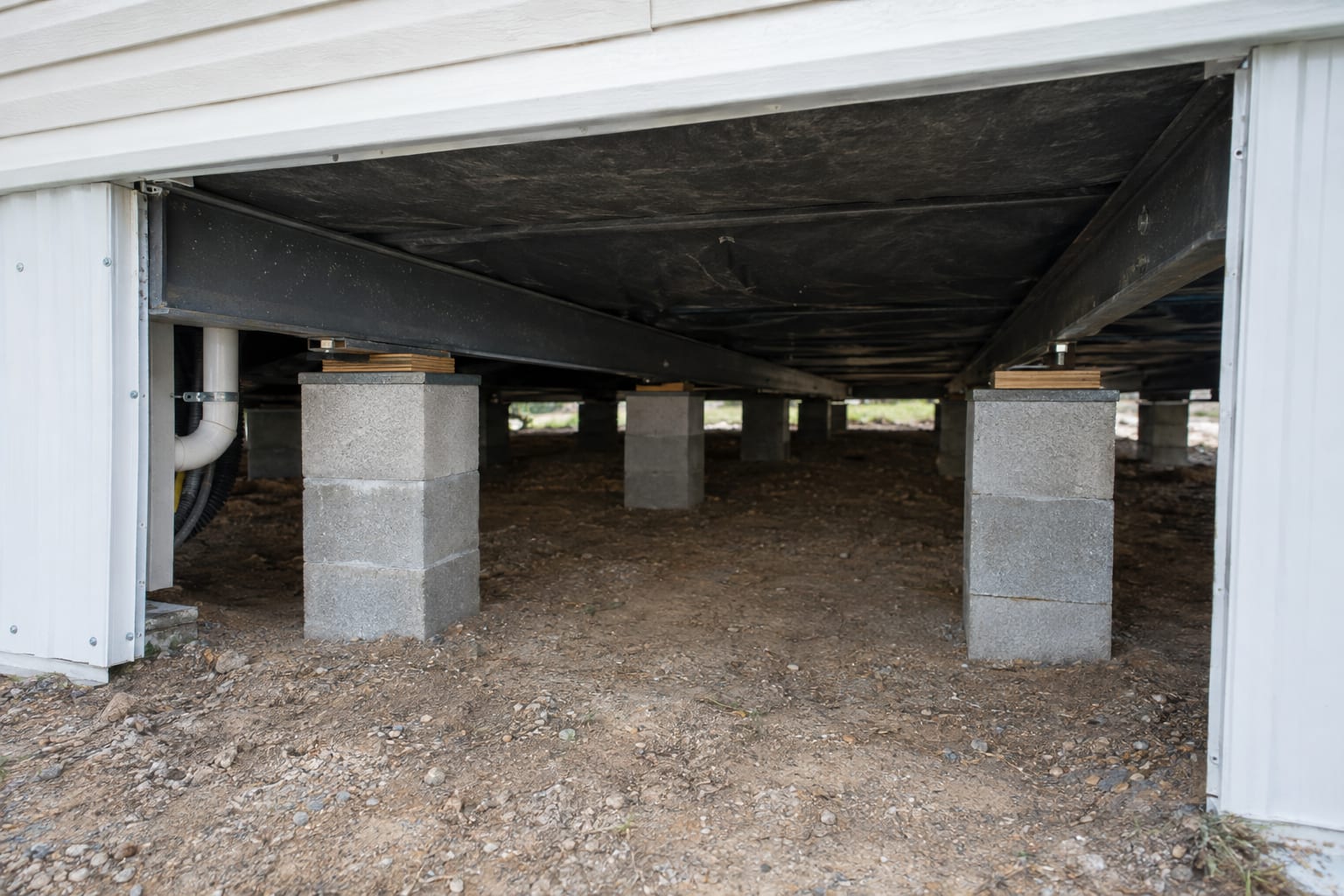
That is the pattern to plan for. Most homes in communities, and many on private land, rest on piers: stacks of concrete block or steel stands under the steel frame. Piers carry the home’s weight. When the ground moves sideways, something has to stop the frame from sliding, and if nothing does, the home can come down off the piers. A home that has dropped can be unlivable even when the structure is sound, because the gas, water and electrical connections tear loose.
What may be under the home, and what each part does
Supports and bracing under a California manufactured home
| What you may find | What it is for | What it does in an earthquake |
|---|---|---|
| Piers | Stands under the frame that carry the home’s weight | Hold the home up, not in place. On installations since September 1994, piers must be mechanically connected to the home and the footing |
| Tie-downs | Straps or anchors from the frame to the ground | Required on installations since September 1994, and designed for wind forces rather than earthquakes |
| Earthquake-resistant bracing system | A system certified by HCD and installed under the home | Designed to resist earthquake forces and to limit how far the home can drop |
| Foundation system | The home attached to an engineered foundation | The home is anchored to the foundation rather than resting on piers alone |
The 1994 rule is in Health and Safety Code 18613.4. It took effect in September 1994 and applies when a home is first installed, or is reinstalled on a different lot. A home set up before then and never moved may have piers and nothing else.
Bracing is optional. State law requires that buyers of installed homes be offered an earthquake-resistant bracing system, and HCD (the Department of Housing and Community Development) certifies the systems sold in California (Health and Safety Code 18613.5).
HCD’s own regulations (Title 25, sections 1370 and 1371) say in plain terms that nothing requires one to be installed, and that a certified system must be designed to limit the home’s downward movement to two inches. So a home can be sitting on piers with no bracing at all, and nothing in the sale paperwork will say so unless you ask.
A foundation system is the other route. It is most common on owned land, where the installation is reported on HCD Form 433A and recorded with the county. What a 433A is explains that record and why lenders ask about it.
The HUD label says how the home was built, not how it is held in place
A manufactured home is a factory-built home constructed on or after June 15, 1976 to the federal HUD Code, and each section carries a HUD label to show it. A factory-built home from before that date is, technically, a mobile home. HUD label, data plate and serial number shows where to find both.
The HUD Code’s structural rules set the wind and roof loads a home must be designed for. They do not include an earthquake load (24 CFR 3280.305). The label still matters, for the construction standard and because loan programs treat pre-1976 homes differently. It just does not answer the earthquake question. That answer is under the home.
How to find out what a home has
A certified bracing system carries a permanent label from the agency that tested or listed it, and its installation needs a permit from the enforcement agency (HCD or a local agency), so there should be a paper trail. The rest you learn by looking and asking.
None of this comes from the appraisal. An appraisal supports the home’s value for the lender; it is not a condition report. Inspection vs. appraisal covers who orders which, and what an inspector should check on a manufactured home.
If the home has no bracing and you decide to add it, use a licensed contractor and a system HCD has certified, have it installed under a permit, and keep the final inspection report. That report is what an insurer asks for.
Strap the water heater and secure what can fall
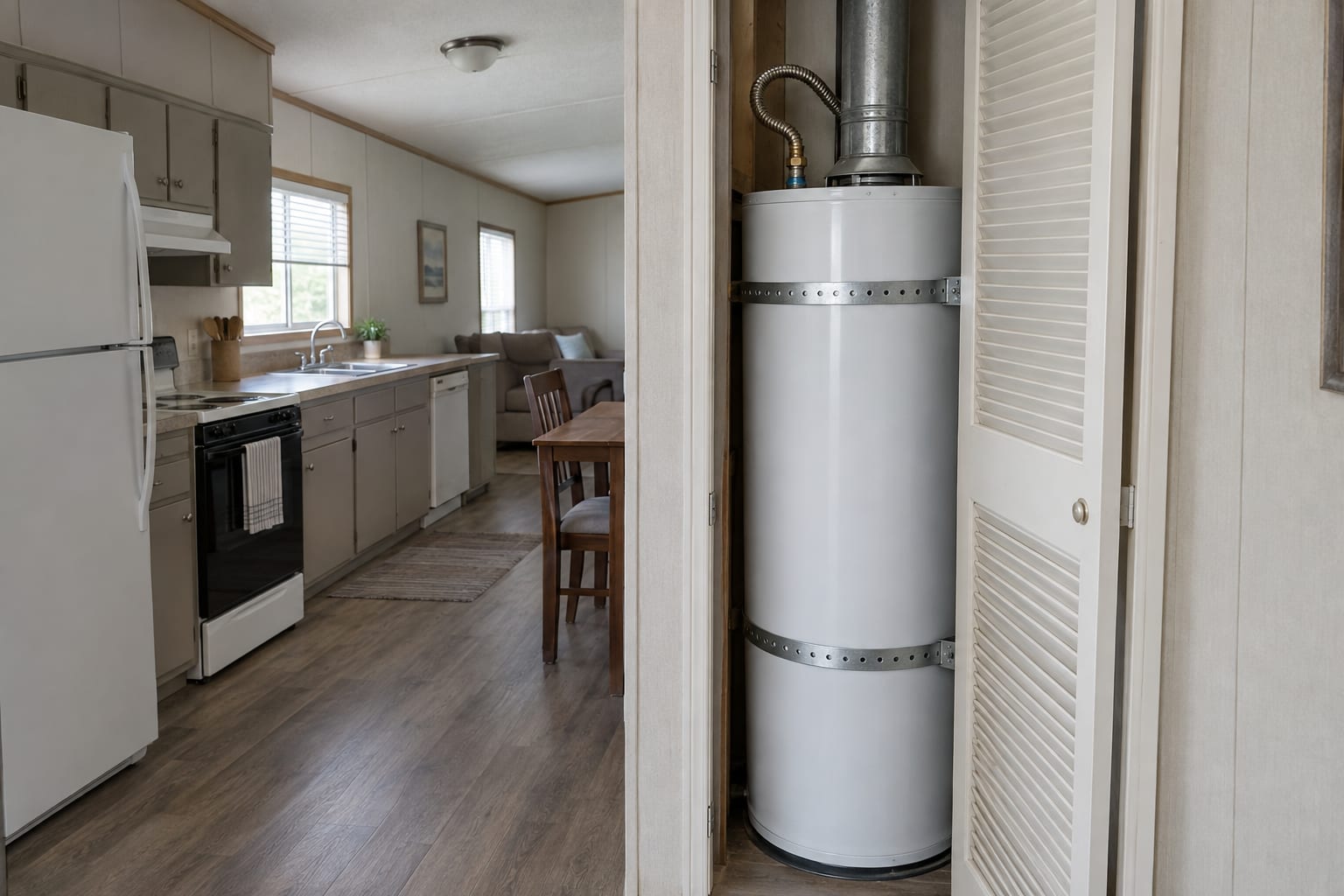
State law generally requires the gas water heater in a used manufactured home to be seismically braced, anchored or strapped before the home is sold, and the seller signs a declaration saying so (Health and Safety Code 18031.7). New and replacement gas water heaters have to be braced too. During a walk-through, open the water heater closet and look for the straps yourself.
Inside the home, Ready.gov advises securing heavy items such as bookcases, refrigerators, televisions and anything that hangs on a wall. Know where the gas and water shutoffs are before you need them.
Earthquake damage needs its own policy
A standard homeowners policy, including one on a manufactured home, does not cover earthquake damage, according to the California Department of Insurance. An insurer that sells you a homeowners policy in California must offer earthquake coverage every other year. Most of that coverage comes through the California Earthquake Authority (CEA), which you buy from your own insurance company rather than from CEA directly.
Two details are specific to manufactured homes:
- CEA lists a premium discount for a mobilehome reinforced with an HCD-certified bracing system, or installed on an approved foundation system under Health and Safety Code 18551. The insurer asks for the final inspection report that shows a permit was issued.
- Fire is treated differently from shaking. The department says homeowners and renters policies must cover fire damage caused by or following an earthquake.
A lender needs proof of an acceptable policy on the home before a loan closes. Ask what your loan requires, and get the earthquake quote alongside the base policy before you make an offer, since both premiums count in your monthly housing cost. How insurance costs affect a manufactured home loan covers where the premium enters the review, and Santiago Financial’s insurance team can quote manufactured home insurance; ask about earthquake coverage by name.
This article is general information, not engineering, legal or insurance advice. HCD and local enforcement agencies set and apply the installation rules, and their procedures change.