Buying a Fixer-Upper Mobile Home: What Loan Options Are Available?
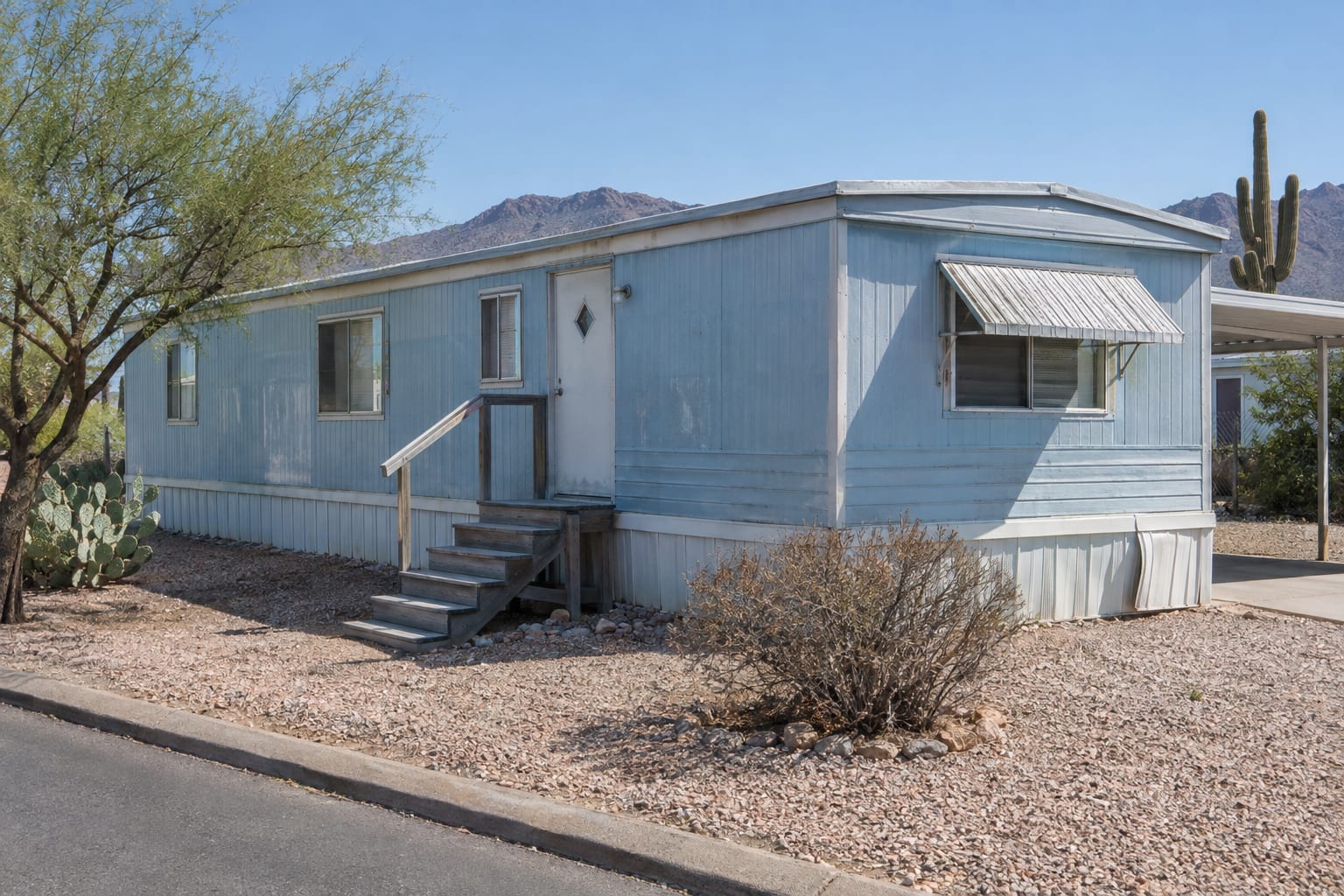
A manufactured home that needs work can often be financed, but with the same kinds of loan as any other pre-owned home, and on the home as it stands. The loan is measured against what the home is worth today, not what it will be worth after you fix it, and the home has to be sound enough to insure. In practice, cosmetic work is yours to do after closing, while problems with the roof, floors, structure or utilities usually have to be dealt with first.
Money for repairs generally comes from your savings, not from the purchase loan. Whether a home that needs work is a good buy at all is a separate question, covered in fixer-upper vs. turnkey.
The loan is based on the home as it stands
A home that needs work goes down the same two paths as any other pre-owned home. A home on a rented space in a community is financed with a home-only (chattel) loan, and a home permanently attached to land you own can often be financed together with the land. Condition does not change which path you are on. It changes whether the home clears the review. Our guide to financing a pre-owned home covers the rest of that review.
Three parties each have to be satisfied with the home in its current state:
- The value review. Comparable sales or an appraisal reflect the home today. Planned improvements add nothing to that figure, and a low price does not guarantee the value supports it.
- The insurer. A lender requires a homeowners policy. An insurer may decline a home, or attach conditions, because of the roof or a safety hazard. Ask for a manufactured home insurance quote on the home as it is before you commit.
- The community, if there is one. Ask the office whether it requires any repairs or upgrades when a home changes hands.
Cosmetic work versus repairs that come first
How different kinds of work usually affect a purchase
| Kind of work | Examples | Usual effect on financing |
|---|---|---|
| Cosmetic | Paint, carpet, dated cabinets and fixtures, landscaping | Rarely an obstacle. It shows up in the value. |
| Deferred maintenance | Worn roof coating, damaged skirting, loose steps or handrails | May be noted in the value review; a repair may be asked for before closing. |
| Safety and soundness | Active roof leaks, soft or rotted floors, electrical hazards, plumbing leaks, no working heat | Generally has to be corrected before the loan can close. |
| Records | Unpermitted additions, a missing HUD label, a title not in the seller’s name | Paperwork to resolve; some problems narrow the programs that may apply. |
What is required in a given case depends on the program and on what the appraiser, the inspector and the insurer report.
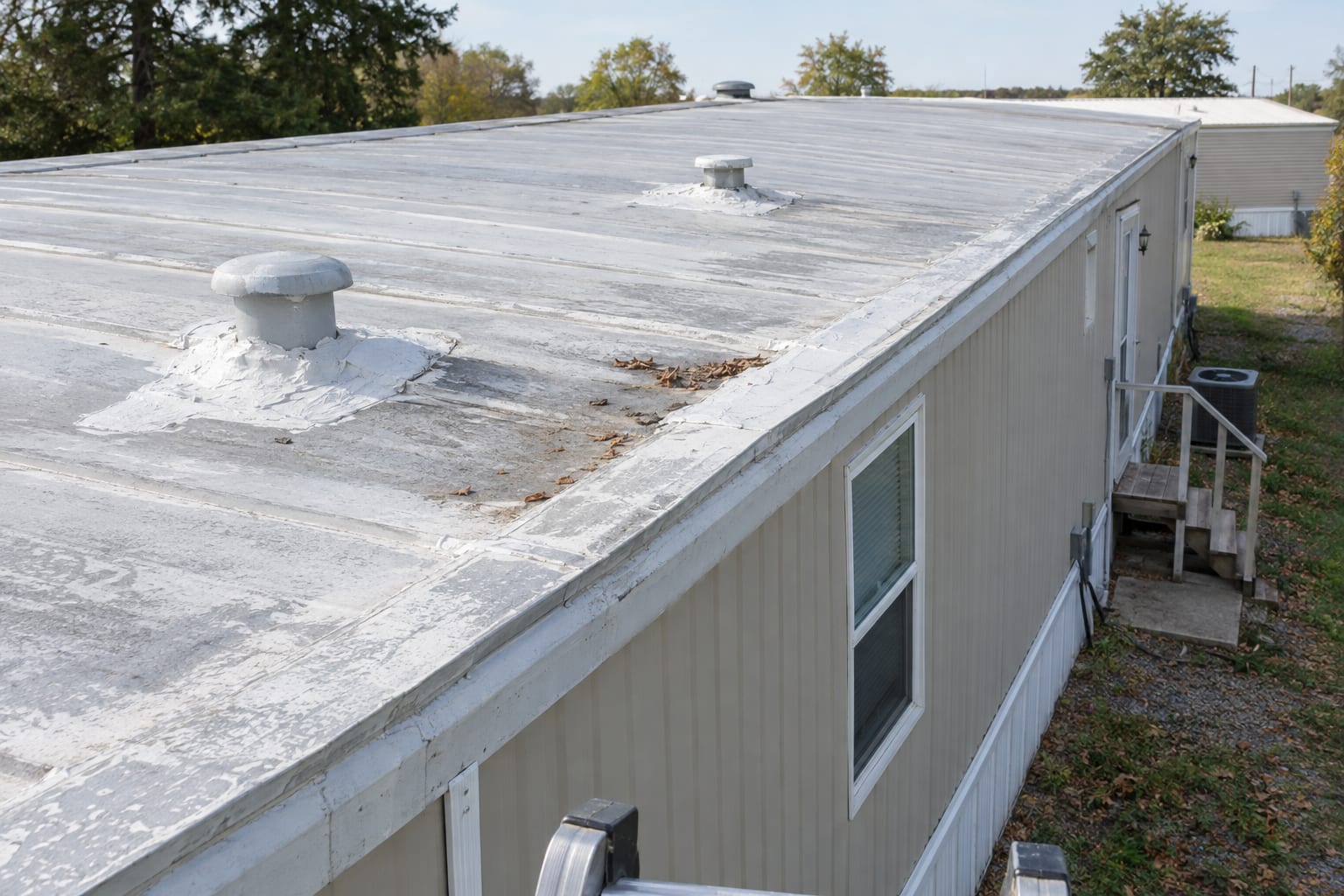
Who looks at the condition, and what they look for
An inspector you hire works for you and reports on the home’s condition in full. An appraiser or value review supports the loan and is not a full inspection. The two are often confused; inspection vs. appraisal explains what each one covers.
Who pays for repairs, and when
Before closing. You do not own the home yet, so a required repair is negotiated with the seller. Either the seller makes it before closing, or you agree in writing how it will be done and paid for, with the price adjusted to match. Be careful about spending your own money on a home you do not own, because it is at risk if the sale falls through.
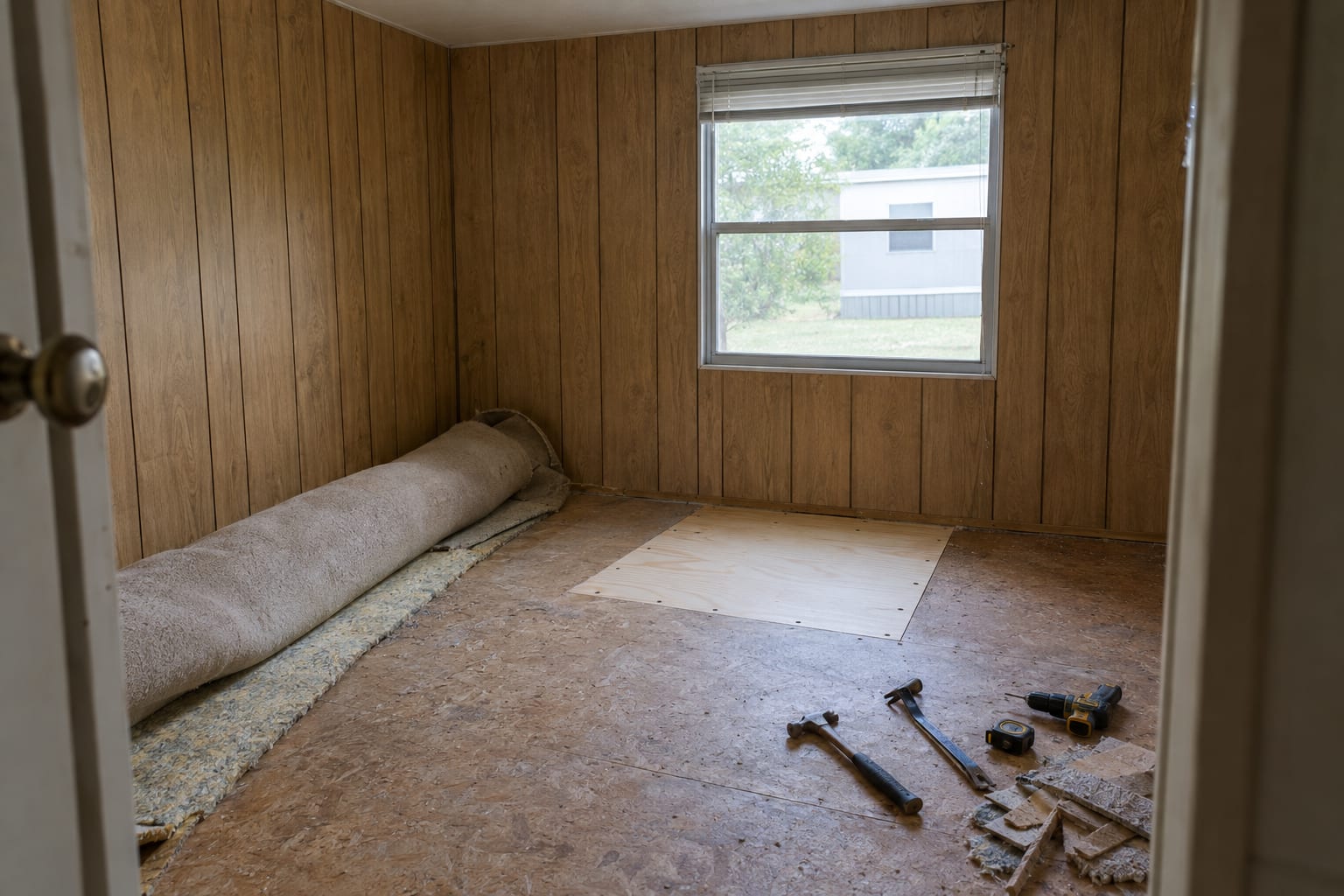
After closing. Everything else is paid from your savings, so plan your cash as three parts: the down payment, the closing and moving costs, and the repairs.
Two other routes come up, and neither should be counted on in advance:
- Repair costs in the loan. Some mortgage programs allow repair costs to be included. They have their own eligibility, property and foundation rules and do not fit every home. Ask whether one applies before you plan around it.
- Refinancing later. Refinancing may be available depending on the home, land status and current guidelines. It is decided at the time, on the home as it then stands, so budget for the repairs you need now from money you already have.
Repairs need permits too
Work on a manufactured home is regulated differently from work on a site-built house. In California, alterations to the structural, fire safety, plumbing, mechanical or electrical systems generally require a permit from HCD. In Arizona, direct permit questions to the Arizona Department of Housing.
HUD also notes that a significant change, such as an addition or structural alteration, may require permits and could take the home out of compliance with the HUD Code. Keep permits, final inspections and receipts with the home’s records. They answer questions at the next appraisal or sale. This is general information, not legal advice.
Before you make an offer on a home that needs work
The order that protects your deposit
- Describe the home to a loan specialist Give the year, the number of sections, where it sits and what you know is wrong. You will learn early whether the condition is likely to be an obstacle.
- Get an inspection Hire an inspector who knows manufactured homes and ask for the report in writing.
- Get written quotes Price everything beyond cosmetic work, and ask each contractor which permits the job needs.
- Check insurance Ask for a quote on the home in its current condition.
- Put repairs in the purchase agreement Write down who fixes what, by when, and what happens to your deposit if the home does not clear the review.
If you plan to rent the home out after fixing it, raise that at step one. Some buyers use manufactured homes as rentals, but many programs and communities require owner-occupancy. Ask whether financing is available for your intended use before you buy.
Before you make an offer, talk with a specialist about the home’s year, its location and the repairs it needs.