The Manufactured Home Features That Matter Most When You Buy
The features that matter most in a manufactured home are the ones that are costly to change later and that someone besides you will look at: the roof, the heating and cooling, the windows and insulation, the condition of the kitchen and baths, and the layout. An inspector reports on their condition. A value review weighs the home’s age, size and condition. An insurer asks about the home’s year, construction and condition.
Smart thermostats, pet doors and paint can be added after you move in, so they should not decide which home you buy.
Sort features by how hard they are to change
What to weigh, and what to check on a tour
| Feature | Why it carries weight | What to check |
|---|---|---|
| Roof | A leak damages everything below it | Age, type, patches, ceiling stains |
| Heating and cooling | Comfort, utility cost, and a major replacement cost | Age of the equipment; whether every room is served |
| Windows and insulation | Heat, noise and the monthly utility bill | Single-pane or dual-pane; the zones on the data plate |
| Kitchen and baths | Daily use, and where leaks start | Soft floors, stains under sinks, permits for remodels |
| Layout and size | Cannot be changed without major work | Bedrooms, baths, storage, number of sections |
| Entry and access | Getting in and out safely, now and later | Steps, handrails, door widths, room for a ramp |
| Additions, porches and carports | Useful space that also raises questions | How they are attached; whether permits exist |
A value review does not work from a list of upgrades. It looks mainly at the home’s age, size, condition and location, supported by sales of similar homes, so upgrades count to the extent they show in the home’s condition. An appraiser does not test systems or look under the home, which is why you also want an inspection. Inspection vs. appraisal explains what each one covers.
The roof comes first
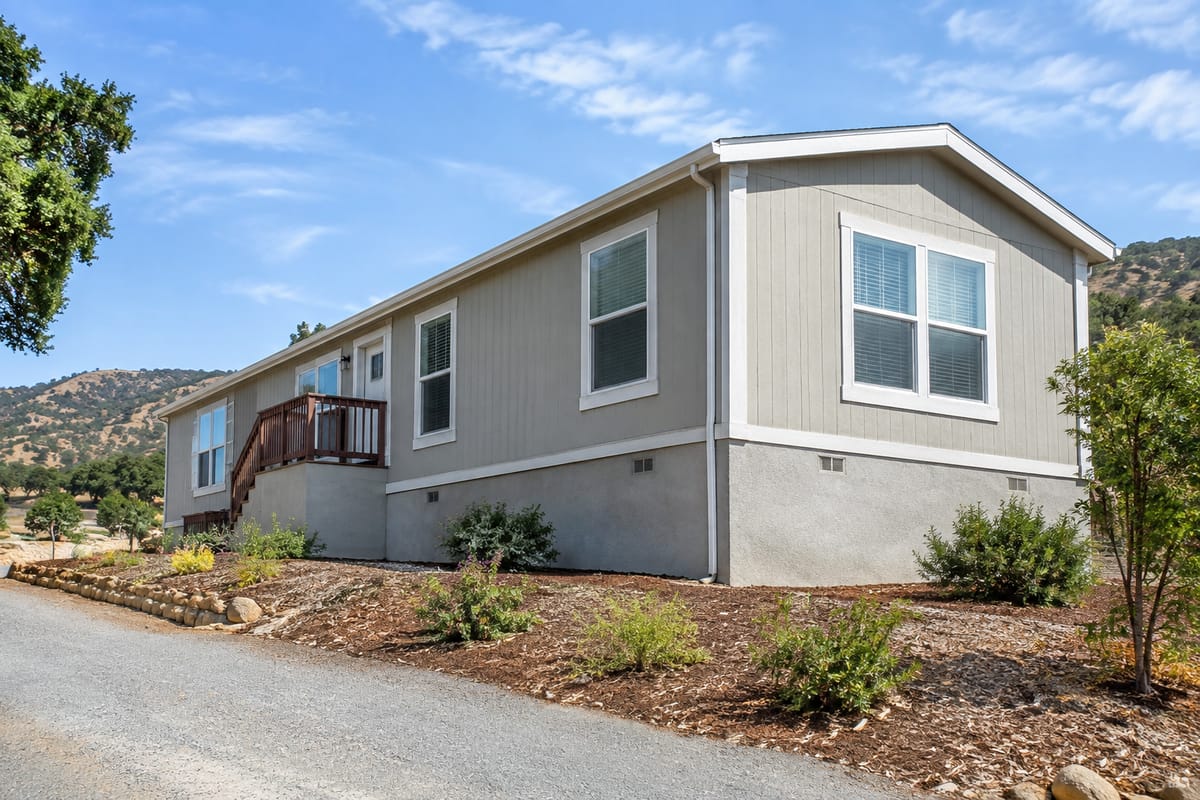
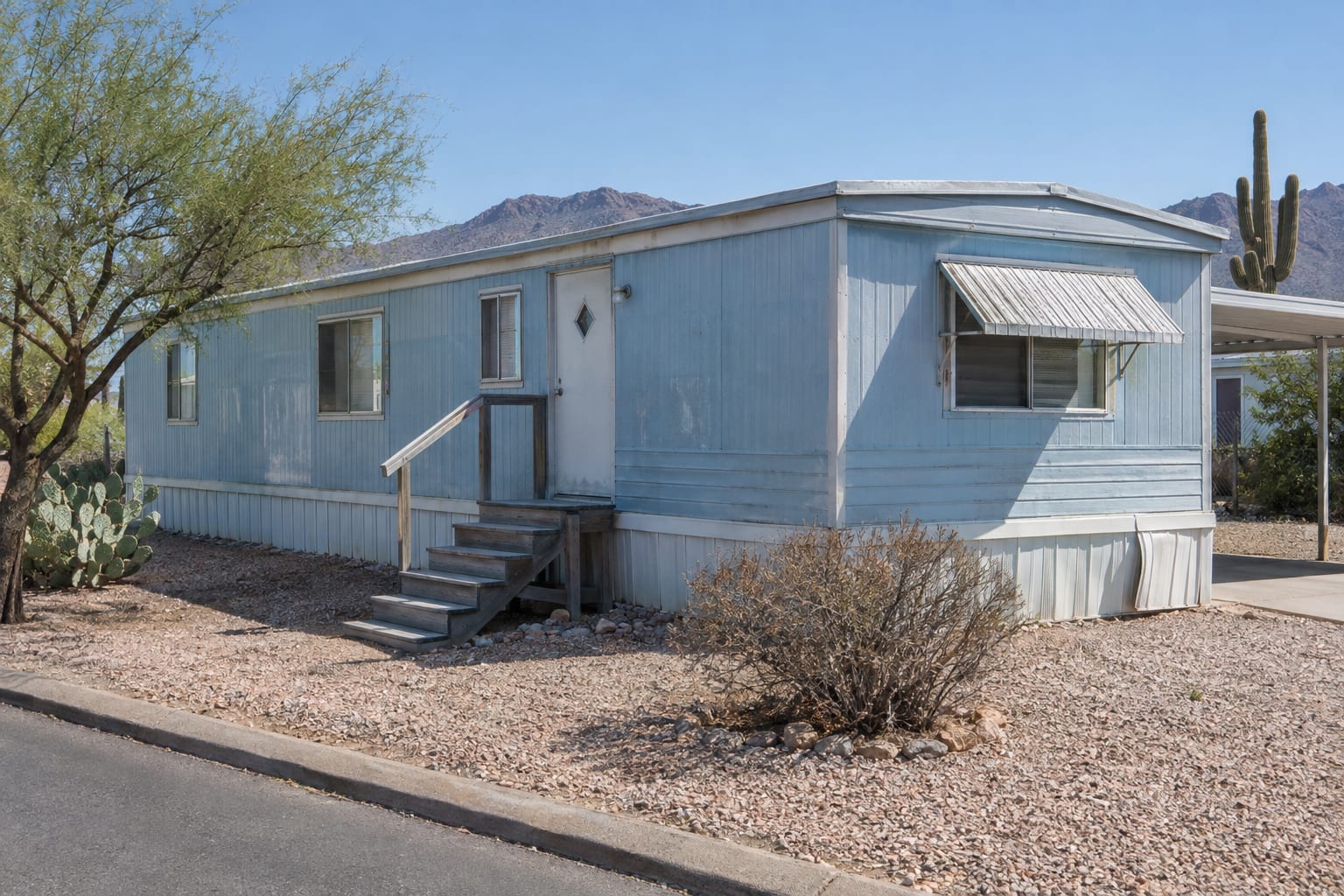
A roof problem becomes a ceiling, wall and floor problem. Ask the roof’s age and type, whether it has been coated or replaced, and whether a second roof was laid over the first. Older homes often have metal roofs, and newer ones usually have shingles on a pitched roof.
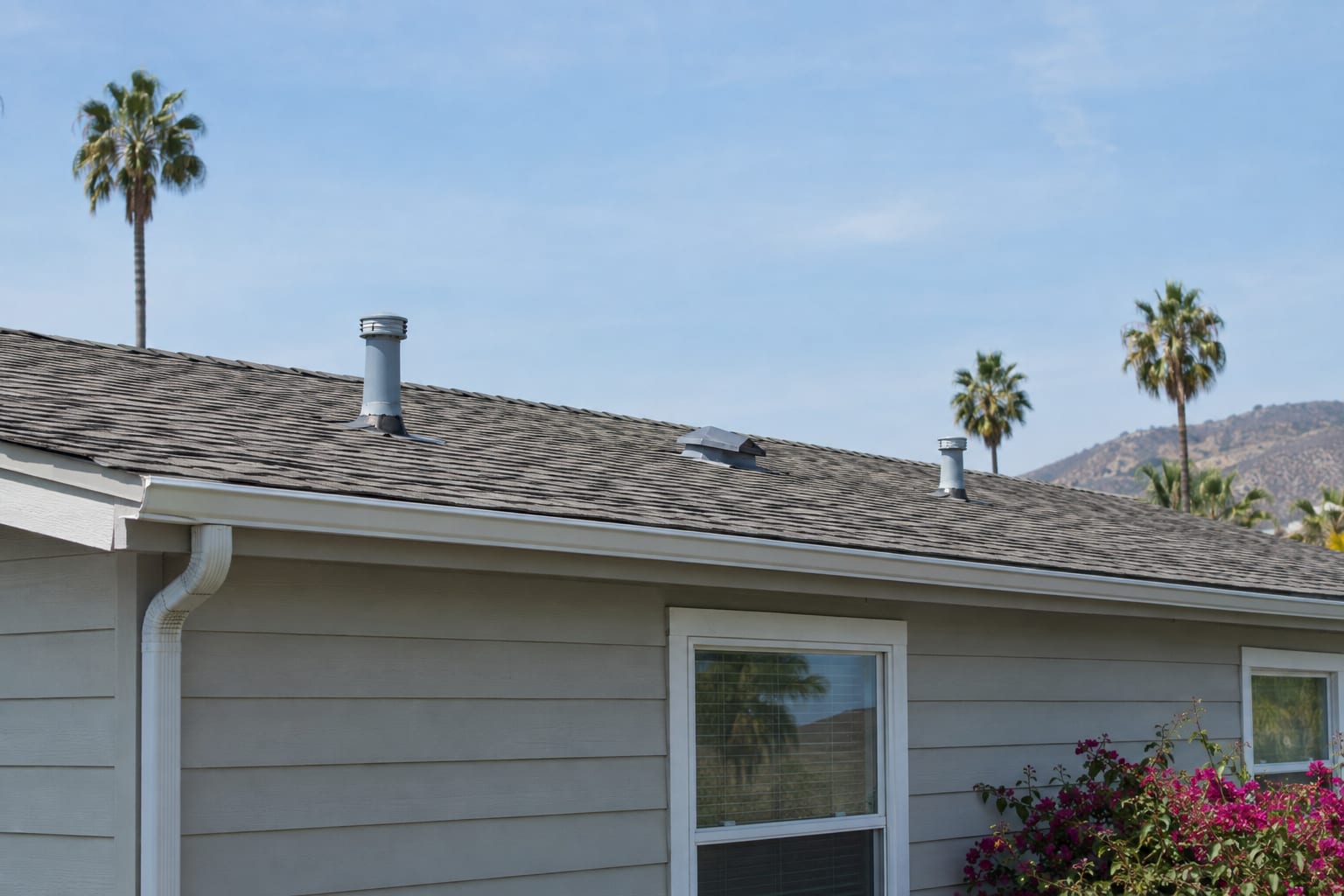
Inside, look at the ceilings and around vents and skylights for stains. Condition is part of what a value review considers, and a lender may ask for a significant problem to be fixed before closing.
Heating and cooling, and the age of the equipment
In the Central Valley, the Inland Empire and the Arizona desert, cooling is a necessity. Ask how old the furnace and the air conditioner or heat pump are and when they were last serviced. Check that the system cools the whole home and that no room depends on a window unit.
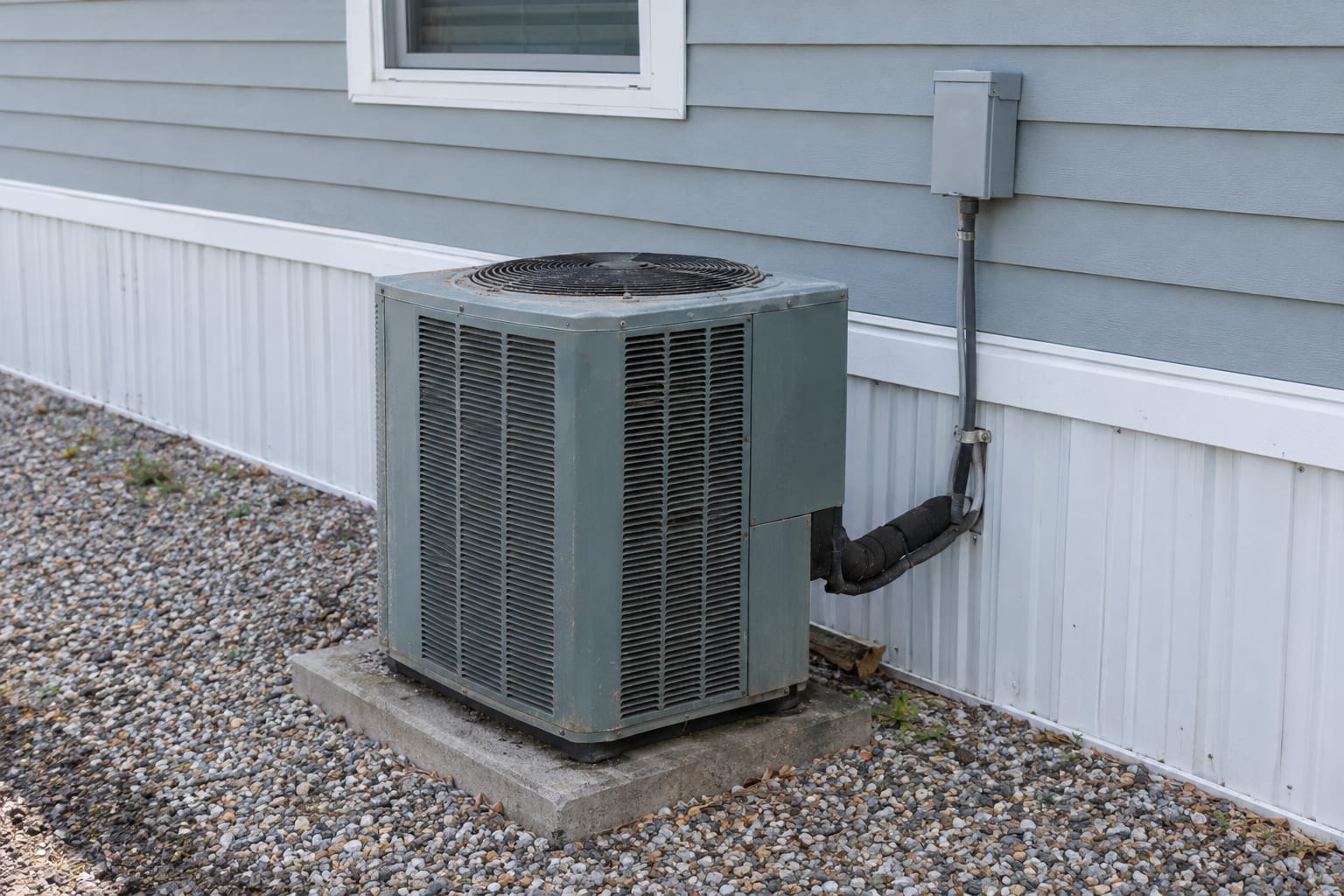
In a multi-section home, a crossover duct usually runs under the floor from one section to the other, and an inspector should look at it. Replacing a heating and cooling system is a major expense. An old one is a reason to think again about what you offer for the home.
Windows, insulation and what the data plate shows
Dual-pane windows, insulation and sealed ducts affect comfort, noise and the utility bill every month. You cannot see insulation on a tour, but you can read the home’s data plate. It is a paper sheet inside the home, usually in a kitchen cabinet, in a bedroom closet or at the electrical panel.
The data plate shows the roof-load and wind zones the home was designed for, as HUD describes on its labels page, and the home’s thermal zone often appears on the same sheet. Compare those zones with where the home sits. Photograph the sheet while you are there, because it also lists the year, the manufacturer and the serial number.
If the home has solar panels, ask whether the system is owned outright, financed or leased, and ask for the agreement. A lease or a loan on the panels is a separate contract that someone has to take over or pay off when the home is sold. For improvements you might make after you buy, see how to make a manufactured home more energy efficient.
Kitchens and baths: look past the finishes
New counters tell you less than the floor in front of the sink. Kitchens and baths are where the water is, so press on the floor near the sink, the toilet, the tub and the water heater, and look under the sinks for stains. Check that the bath fans work.
Ask who did any remodel and whether permits were obtained. In California, altering a manufactured home requires a permit, as HCD’s modifications and alterations page explains. Unpermitted work is a question you want answered before you make an offer, not after.
Finishes are the least costly part of a home to change. Renovations and resale value covers what owners do after they buy.
Layout, entry and getting around
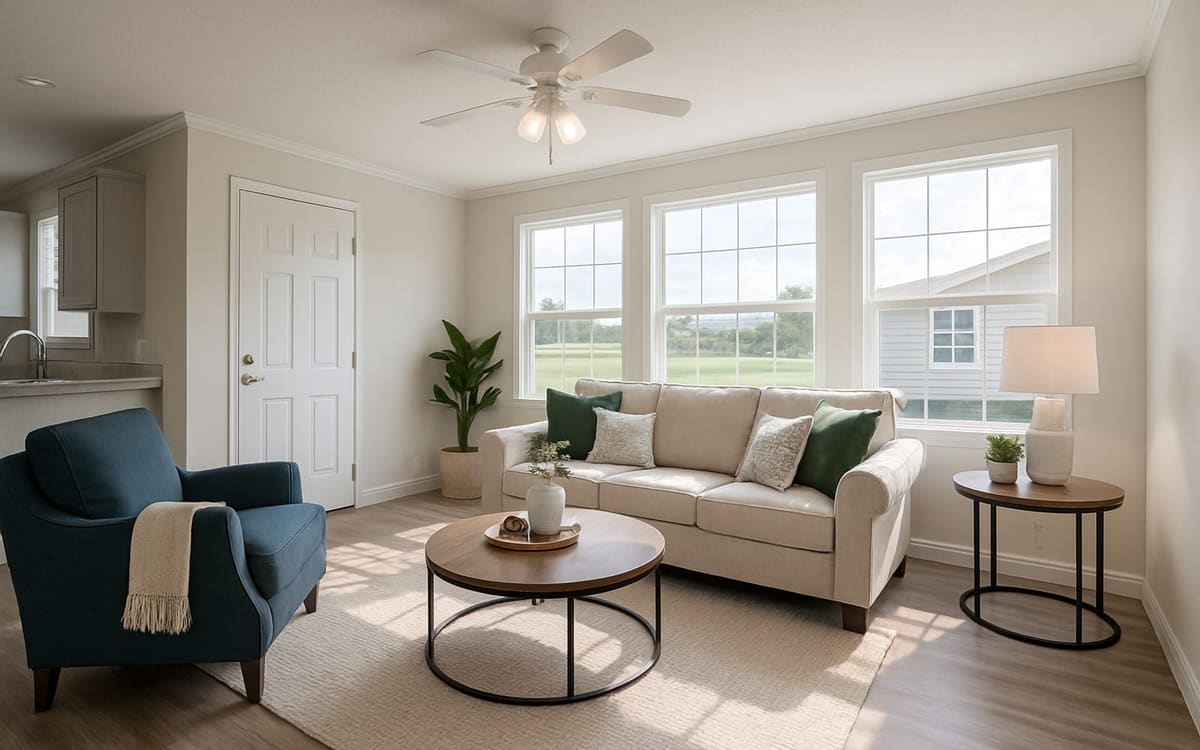
An open kitchen and living area, a second bath, or a room that can serve as an office cannot be added later without major work. Weigh them more heavily than the decor. The number of sections sets what is possible, and single-section or multi-section explains what the extra width changes.
Think about access as well. A manufactured home sits above the ground, so there are steps at every door. Check the handrails, the steps and the landing, and see whether there is room for a ramp if you or a visitor ever needed one. Inside, look at the width of the hallway and doors, and whether the shower can be entered without stepping over a tub. In a community, ask what the rules say about adding a ramp or changing the steps.
Features you can add after you move in
These are pleasant to have and should not decide the purchase:
- smart thermostats, doorbells and locks
- pet doors and scratch-resistant flooring
- light fixtures, faucets and cabinet hardware
- drought-tolerant planting and drip irrigation, within the community’s landscaping rules
- paint
If two homes are otherwise equal, these can break the tie.
Write down the same facts for every home
The home details worksheet in the before-you-shop checklist has space for these. With the same facts written down for each home, you can compare them, and an inspector and a loan specialist will ask for most of them anyway.