Spring Cleaning Tips for Your Manufactured Home: Freshen Up Inside and Out
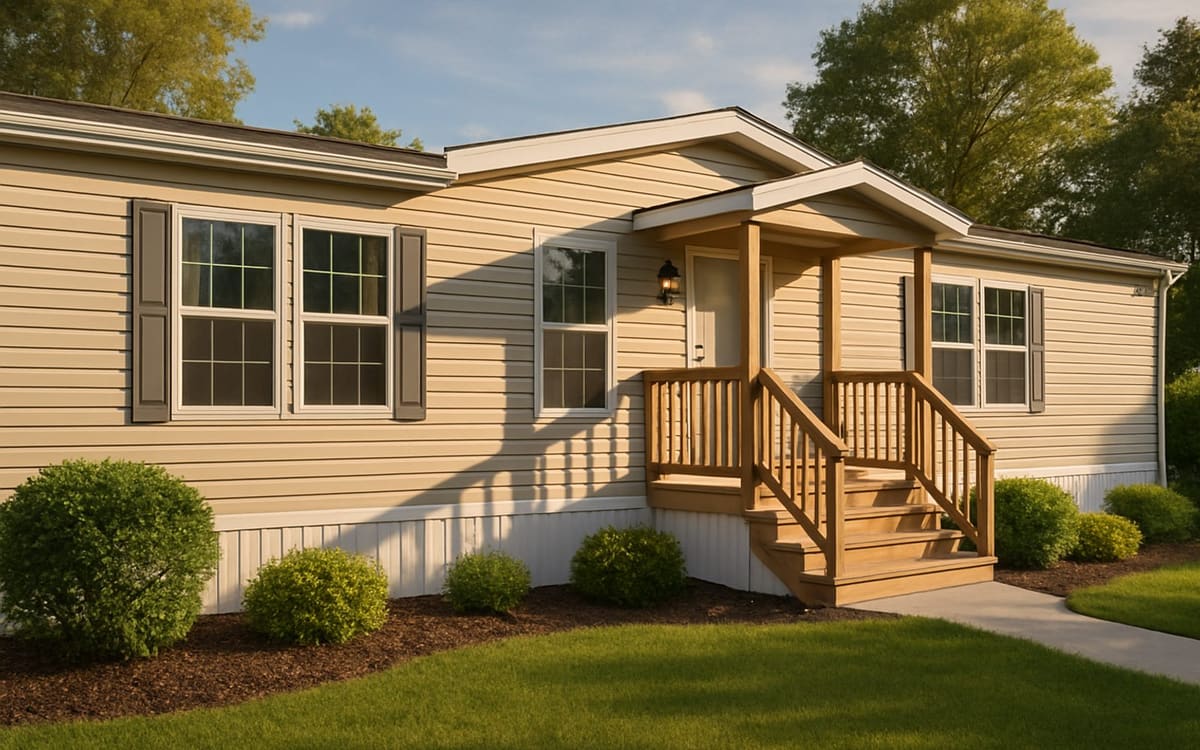
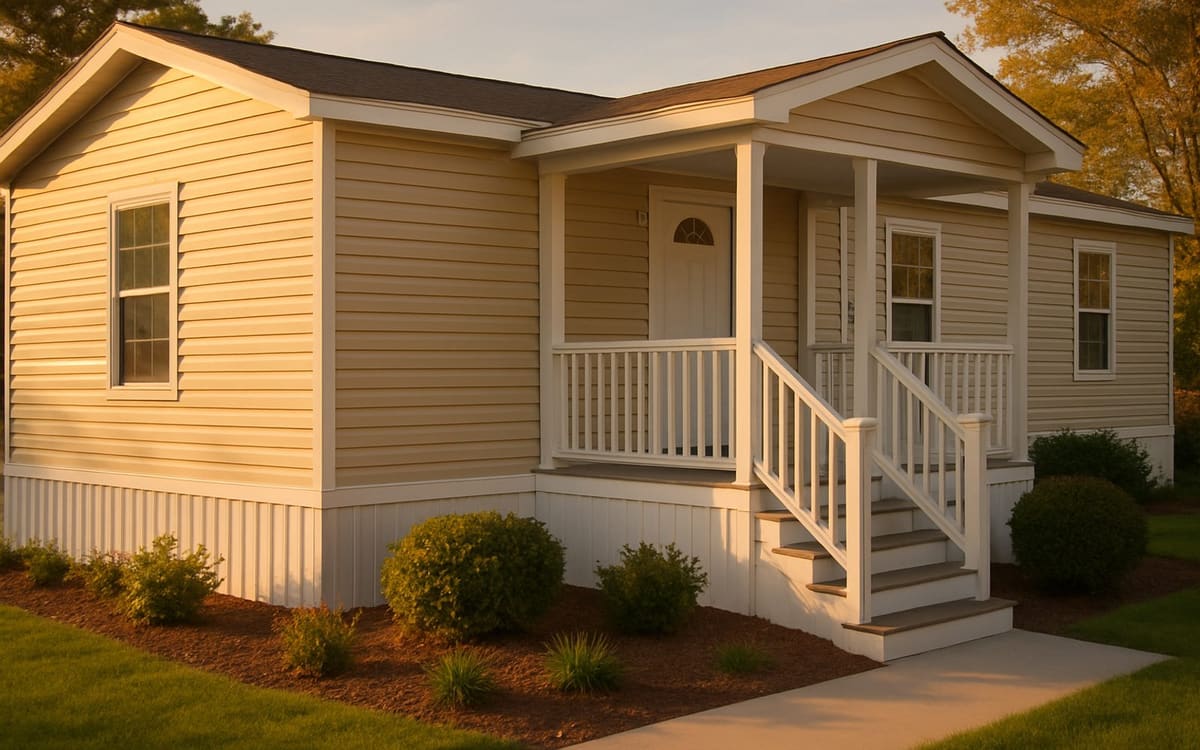
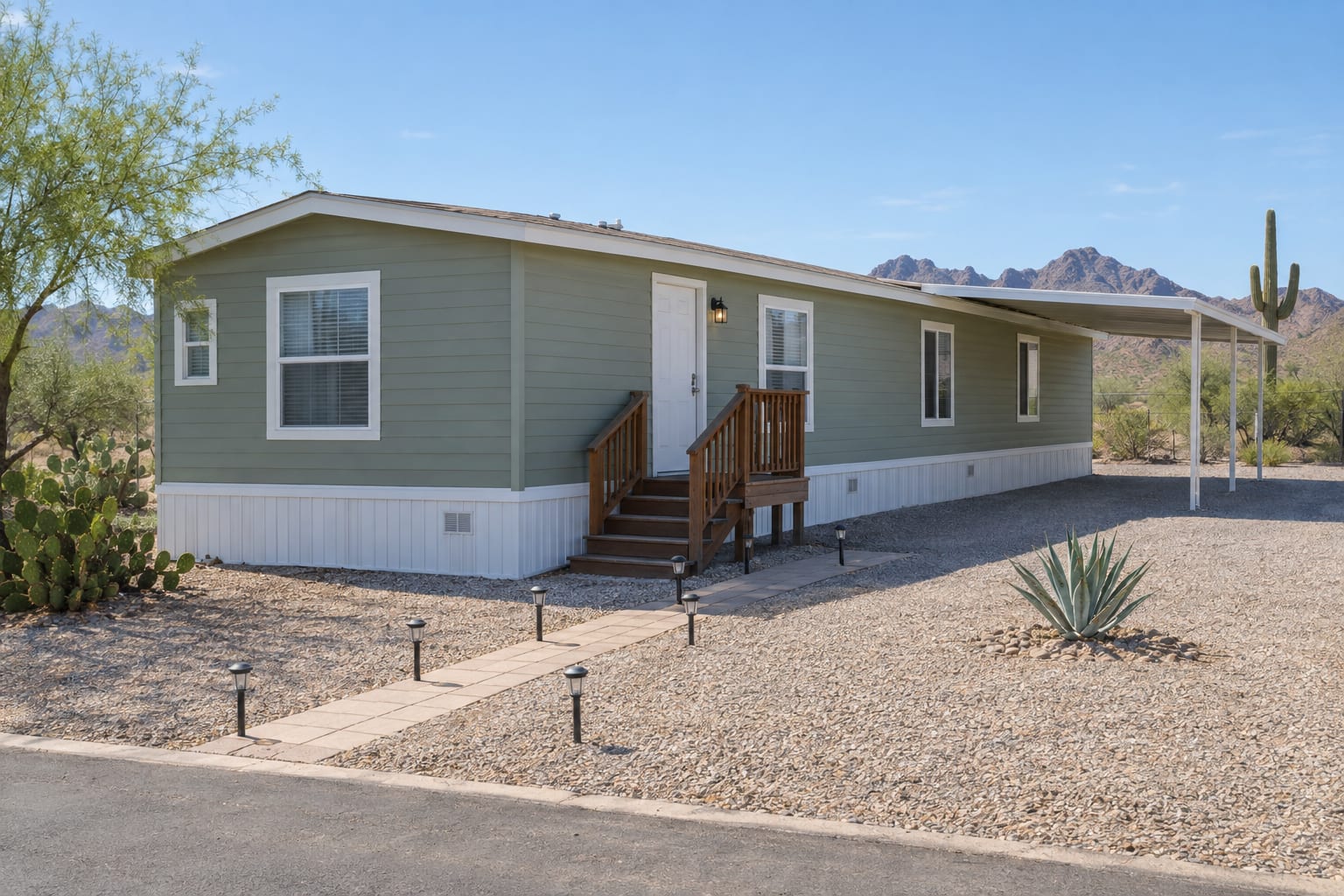
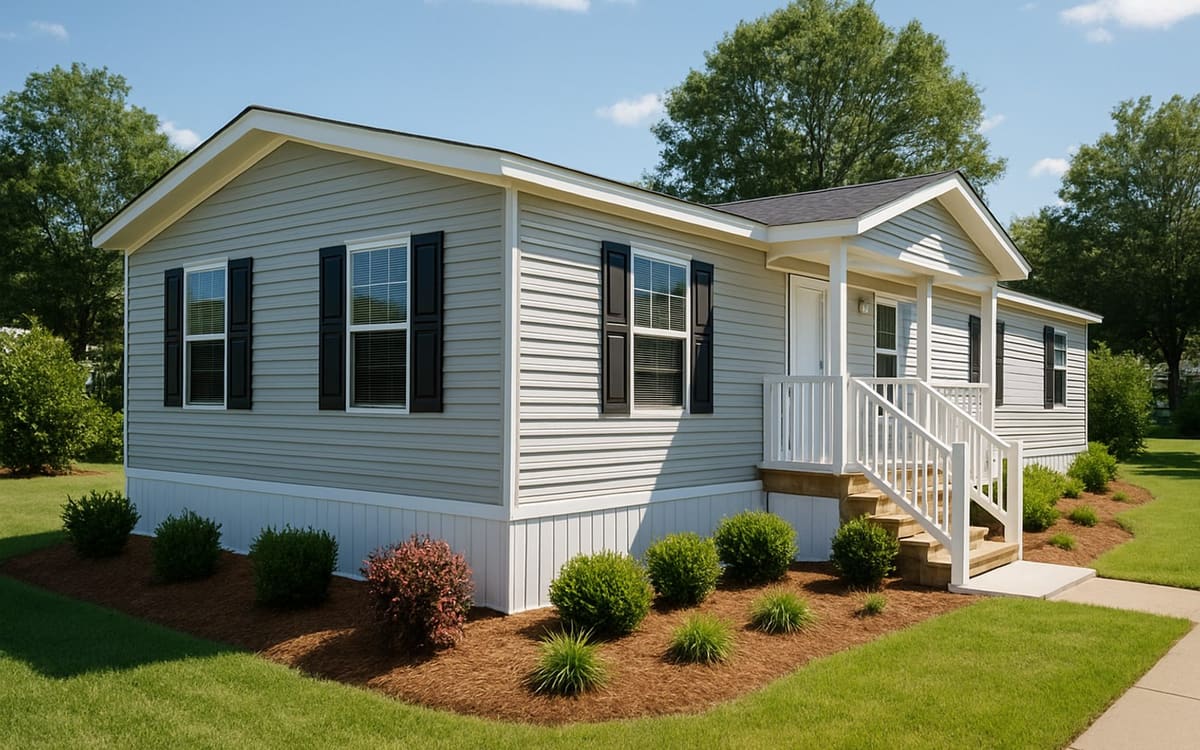
Spring cleaning a manufactured home is ordinary housework with a few differences, and they are all about materials. Vinyl-covered wall panels, vinyl or aluminum siding, snap-in skirting and a low-slope roof are lighter than what a site-built house uses. Each can be damaged by the stiff brush, strong cleaner or pressure washer that brick and painted drywall shrug off.
Work from the top of each room down, then do the outside. Keep a notepad with you, because cleaning is when you notice the things that need repair.
Materials that need a lighter touch
How to clean the surfaces manufactured homes use
| Surface | Clean with | Avoid |
|---|---|---|
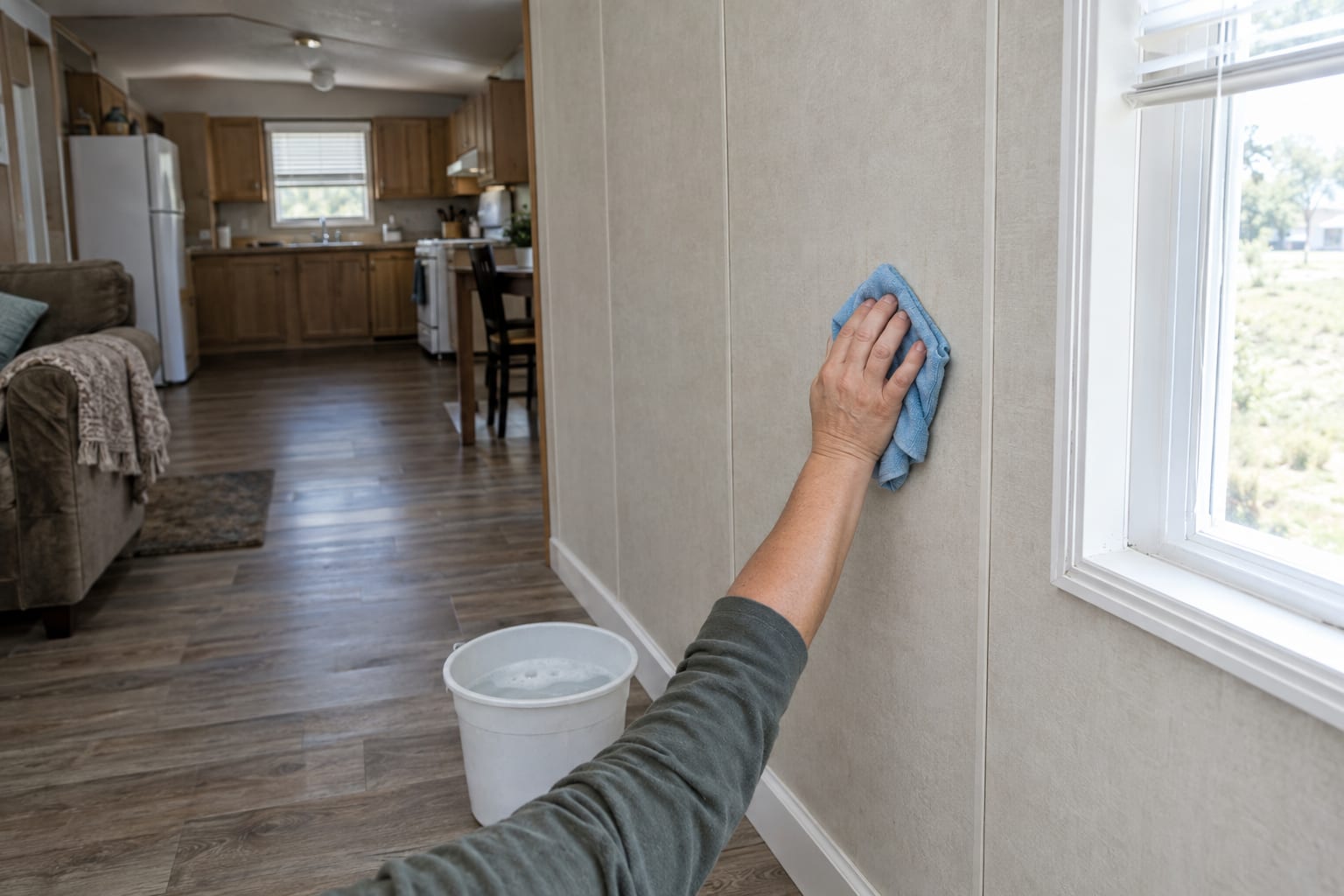
| Vinyl-covered wall panels | A soft cloth, warm water and a little dish soap; dry as you go | Scouring pads, solvent cleaners, soaking the seams |
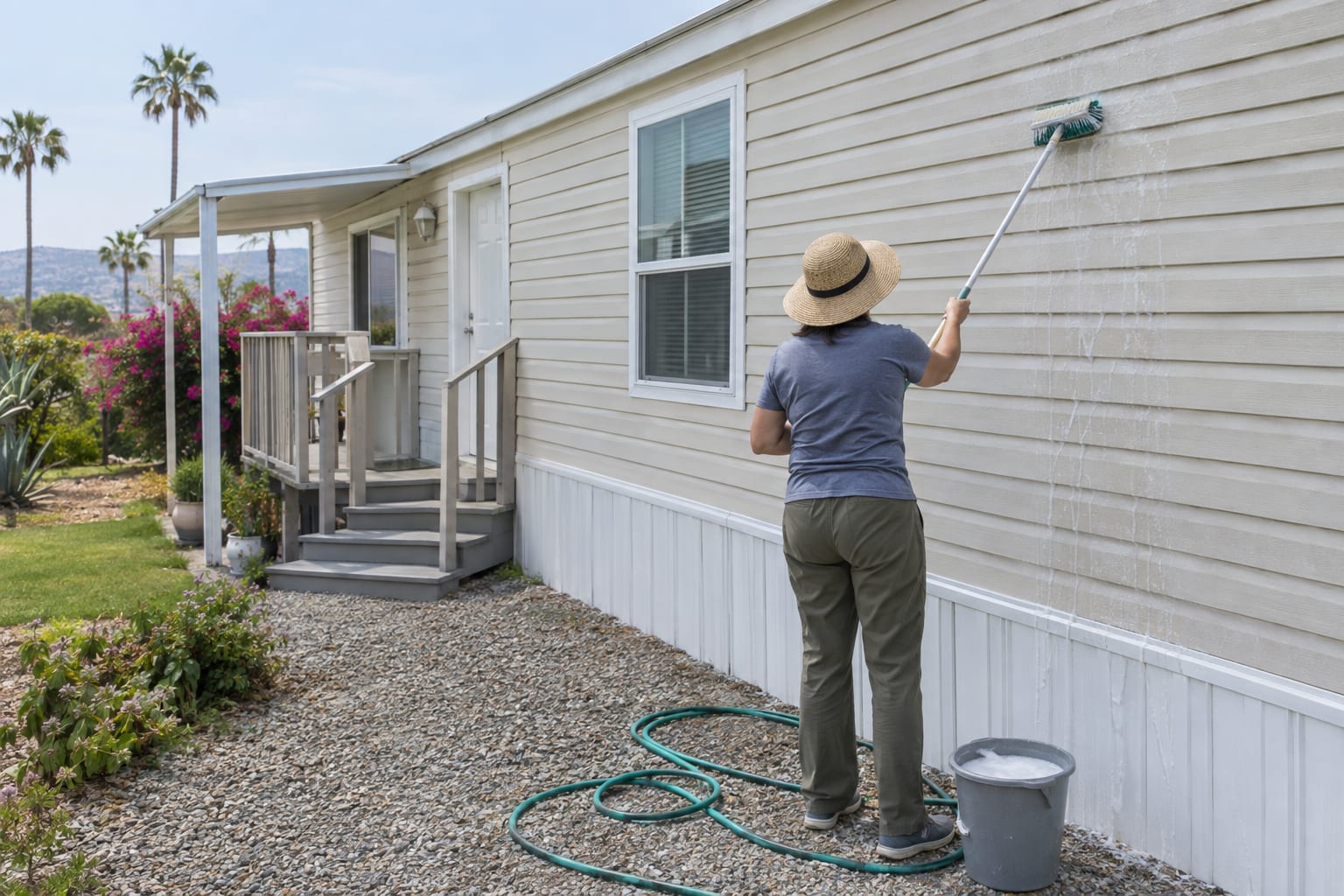
| Vinyl siding | A soft long-handled brush, a garden hose, mild detergent | A pressure washer held close or aimed upward |
| Painted aluminum siding | A soft brush and mild detergent | Abrasives; chalky old paint rubs off |
| Vinyl skirting | A hose and a soft brush | Force that pops panels out of their track |
| Roof and gutters | A broom from a ladder, a gutter scoop | Walking on a metal roof; pressure-washing seams |
| Vinyl flooring | A damp mop and a cleaner the flooring maker allows | Flooding the floor; water left standing at seams |
Where a surface came with care instructions, they take priority. Test any cleaner on a spot nobody will see.
The walls deserve a word. Many manufactured homes have walls made of gypsum panels with a printed vinyl face, joined by narrow batten strips instead of taped seams. The vinyl wipes clean well, but it is a thin skin: abrasives dull it, and water that gets behind a batten strip can swell the edge of the panel. A newer home with taped and textured drywall cleans like any painted wall.
Inside, from the top down
Dust falls, so start high and finish with the floors.
One room at a time
- Ceiling fans, light fixtures and exhaust fans Wipe the fan blades, wash the glass shades, and take down the bathroom and kitchen exhaust covers to wash off the lint and grease.
- Walls, windows and tracks Wipe the wall panels as described above. Wash the glass, then vacuum the window tracks and clear the small drain slots at the bottom of each frame.
- Kitchen Degrease the range hood filter, vacuum the refrigerator coils, and empty and wipe the cabinets. If the home’s data plate, a paper sheet listing how the home was built, is inside a cabinet door, clean around it. Never remove it or paint over it.
- Bathrooms Scrub mildew from the caulk lines. Where caulk has pulled away from the tub or shower, note it for repair so water stays out of the floor.
- Laundry Clear the lint trap housing and the vent duct behind the dryer. Go outside while the dryer runs and confirm that air is blowing out through the skirting.
- Floor registers Most manufactured homes are heated and cooled through registers in the floor. Lift each one, vacuum the duct opening beneath it, and wash the register before it goes back.
- Floors Vacuum the carpet edges and under the furniture, then damp-mop the hard floors.
Outside: siding, skirting and windows
Pick an overcast day or work on the shaded side, so the soap does not dry on the wall. Wet a section of siding, brush on soapy water, and rinse from the top before moving along.
Then work around the rest of the exterior:
- Skirting. Hose and brush the panels, brush the vents clear, and press any loose panel back into its track.
- Window screens. Lay them flat on the ground, wash them with the hose and a soft brush, and let them dry before they go back in.
- Awnings and carport. Rinse the tops, clear their gutters, and check that the water drains away from the home.
- Steps, decks and porches. Sweep, then scrub off algae and mildew, which make steps slippery.
- Air conditioner. Clear leaves and weeds from around the outdoor unit. The rest of the cooling work is in the summer heat checklist.
The yard and what is stored around the home
Pull back anything stored against the skirting: firewood, boxes, planters, spare lumber. It holds moisture against the panels, blocks the vents and gives pests cover. Trim shrubs so nothing touches the siding or skirting, and cut back limbs that reach the roof.
If you rent your space in a land-lease community, where you own the home and rent the lot under it, the rules usually say how the space, carport and yard must be kept. Spring is a sensible time to re-read them. How park rules affect a manufactured home explains what those rules tend to cover.
If the clean exterior shows that the paint, steps or skirting need more than soap, DIY exterior upgrades for manufactured homes covers those projects.
A checklist to work from
Note what cleaning turns up
Cleaning puts your eyes on every surface, so it is when problems get noticed: a ring on a ceiling panel, a soft spot in the floor beside the tub, a door that has started to stick, damp soil behind a skirting panel. Photograph each one instead of scrubbing past it.
A ceiling stain that comes back after you wipe it is a sign of a leak, often from the roof, not dirt. The spring inspection checklist explains what each of these signs can mean and which ones call for a professional.