Selling a Manufactured Home to a Buyer Who Needs Financing: A Seller's Checklist
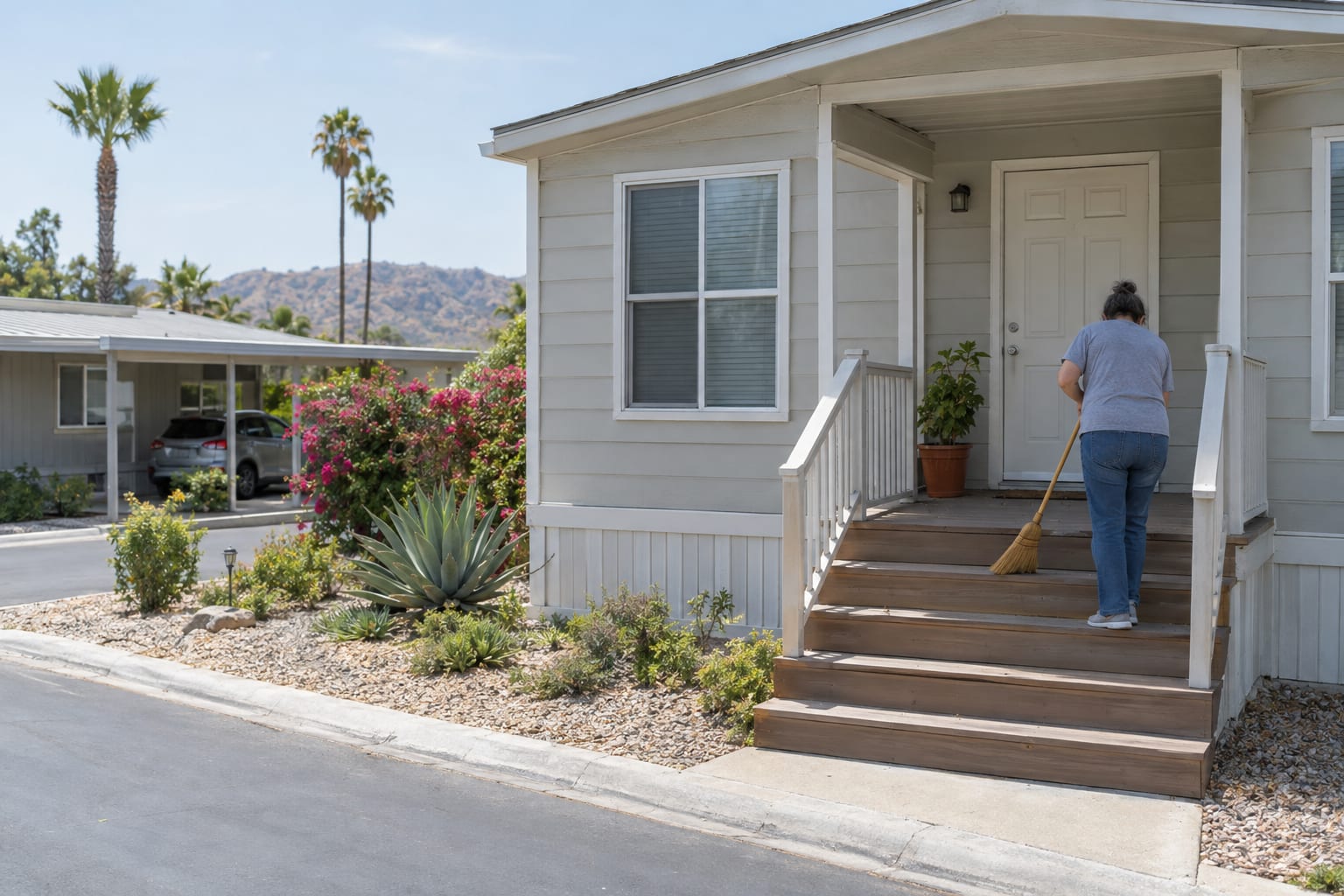
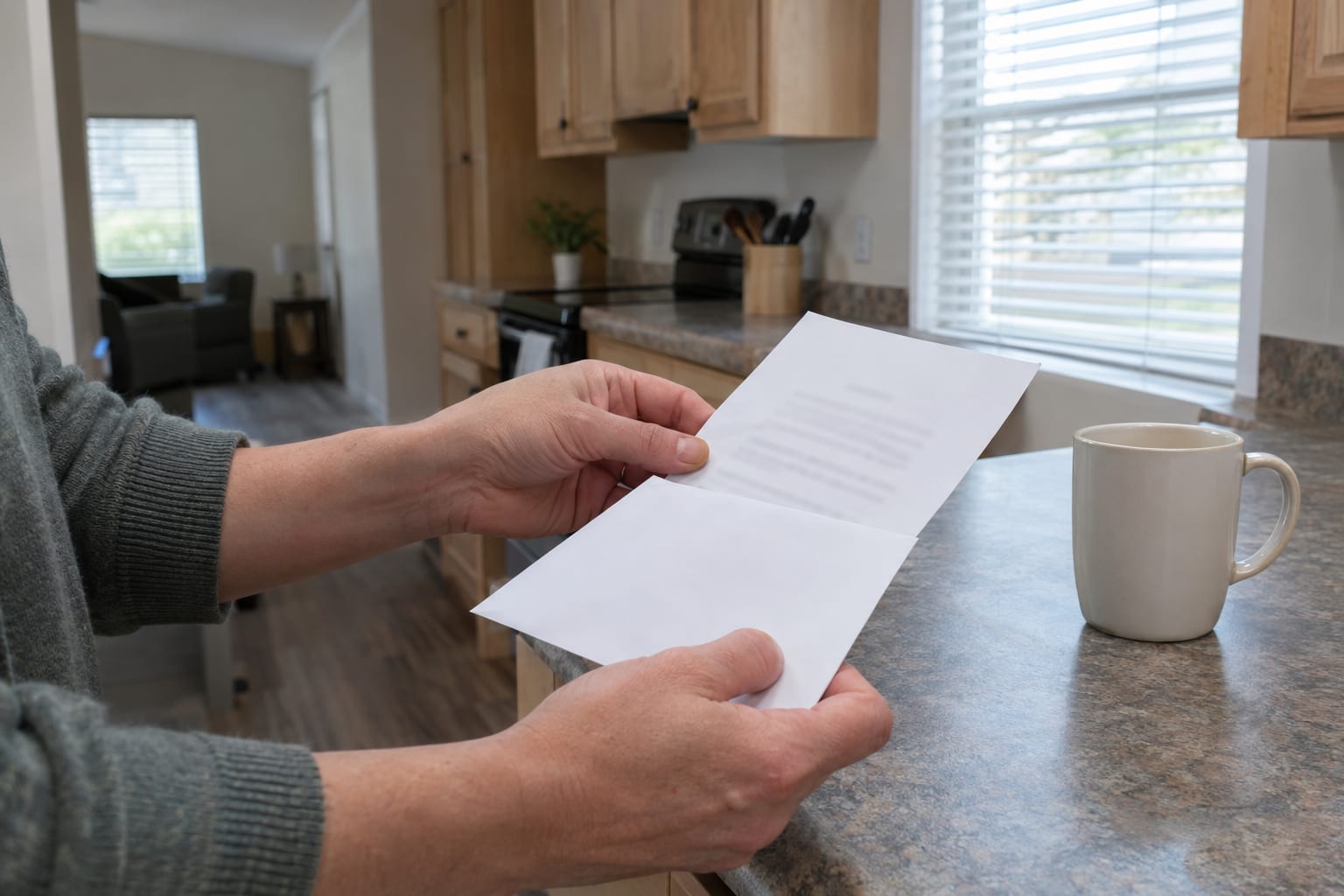
When the buyer of your manufactured home is using a loan, their lender has a list of things only you can supply: the title with every owner’s signature, the details of any loan you still owe, the records for anything that was added to the home, and the home itself, open on the days the inspector and appraiser come. A sale that waits usually waits on one of those, so the useful thing a seller can do is have each of them ready before the buyer’s lender asks.
The buyer’s side of the same transaction is laid out in buying from a private seller. This is the mirror image: what you prepare and how you respond.
What the buyer’s lender will ask you for
Seller items in a financed manufactured home sale
| Item | Why the lender needs it | When to have it ready |
|---|---|---|
| The title or registration, in your name | It proves you can sell, and shows any lien | Before you list |
| Every owner named on the title, available to sign | Each has to sign the title and the agreement | Before you list |
| Your lender’s name and account number, if you still owe | Escrow requests the payoff and the lien release | The day escrow opens |
| Permits, receipts or warranties for additions and repairs | The inspector, appraiser and insurer each ask about additions | Before you list |
| Photographs of the HUD label on each section and the data plate | They identify the home for the file | At listing |
| Access for the inspection and the value review | Both reports are conditions of the loan | On the scheduled days |
| County tax clearance in California; county clearance in Arizona if taxes are delinquent | The state agency will not transfer without it | Request through escrow early |
| Notice to the community, if the home is on leased land | The buyer’s resident application runs alongside the loan | When you accept the offer |
Get the title out before you list
The title is the document most likely to hold a surprise, and the surprise is cheaper to fix before a buyer is waiting. Pull it out and read it.
A name that has changed, a co-owner who has died, a lender that released years ago but never recorded it, or a transposed digit each has a path through HCD or ADOT MVD, and each takes time. What each state’s record shows and how to correct it is in California HCD title basics and Arizona title basics.

If you still owe on the home
An existing loan does not stop a sale. Your lender is on the title as lienholder, escrow requests a payoff figure, pays it from the buyer’s funds at closing and obtains the release.
Two things are yours to do: tell the buyer about the loan before you settle on a price, so there is no surprise if the payoff is more than expected, and give escrow your lender’s details the day it opens, because payoff departments work to their own schedule. Payoff and lien-release questions covers what to ask your lender and how to confirm the lien is gone afterwards.
The community has its own list
In a land-lease community, the buyer applies to the office for residency, and that approval is a separate review from the loan. Your part is notice and cooperation: ask the office what notice it requires from you, whether it requires anything of the home before a new resident moves in, and how the buyer applies. Give the buyer the office’s contact the day you accept the offer. Community approval and lender approval are separate reviews, and closing needs both.
Access, and what the two visits look at
The buyer’s inspector and the lender’s appraiser each need the home open, with the data plate, the electrical panel and a skirting panel reachable. The inspector looks at condition: roof, floor, plumbing, electrical, heating and cooling, and the piers and tie-downs underneath. The appraiser looks at the home’s identity, size, condition and additions, and compares it with sales of similar homes.
Build the sale around conditions, not a date
A financed sale depends on parties neither you nor the buyer controls: the buyer’s lender, the community office, your own lender’s payoff department and the state title agency. Write the agreement around the conditions each has to meet, keep your own items ready, and the sale will not wait on you. Who does what at each step is set out in who does what in a closing. This is general information, not legal or tax advice; your purchase agreement, escrow and the state agency decide the particulars.