Cash-Out Refinancing a Mobile Home: How Equity Is Figured and What to Ask
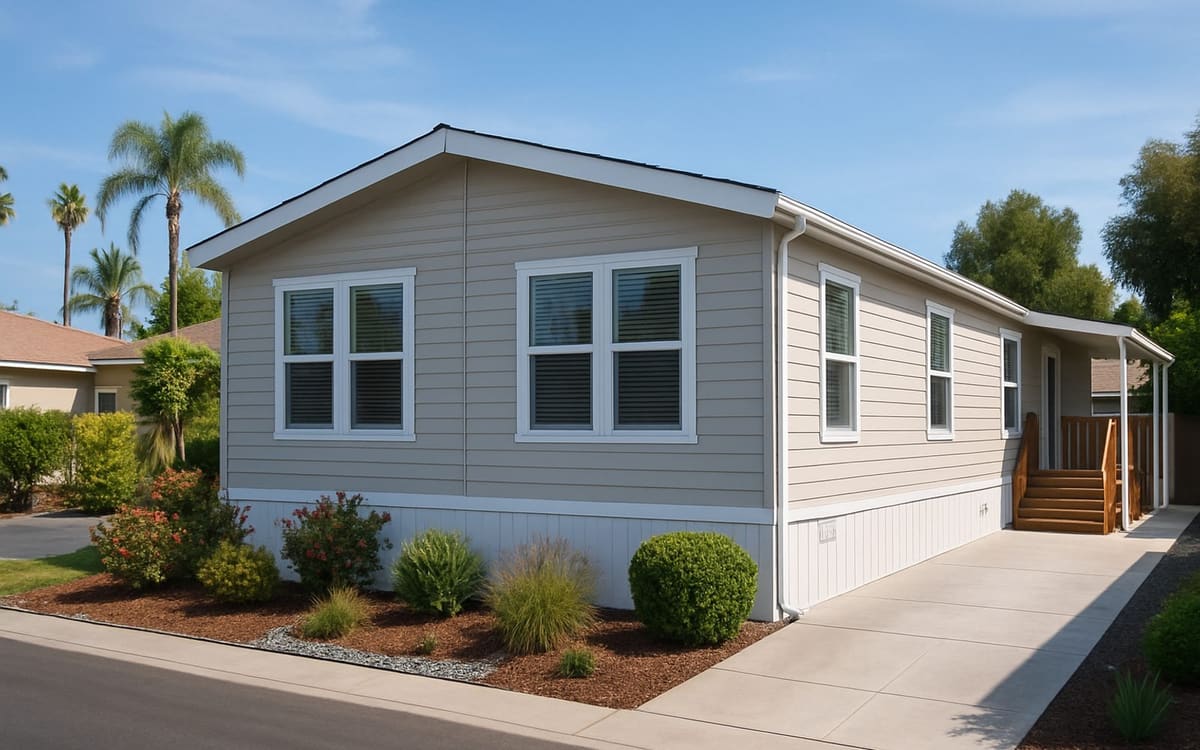
Yes, an owner can sometimes take cash out of a manufactured home: a new, larger loan pays off the one you have, and the difference comes to you at closing. Whether it is available depends on the home, whether the land is leased or owned, how much equity you have, your credit, and current program guidelines.
Cash out is also the refinance with the most to lose, because you finish with a bigger loan on your home than you started with. Three things are worth settling first: how much equity you really have, what the money is for, and what the new loan costs compared with the old one.
Equity is today’s value minus everything owed against the home
Equity is not what you paid, and it is not what a neighbor is asking. It is what the home is worth today, less your loan payoff and any other lien. The value has to be supported by a review the lender accepts.
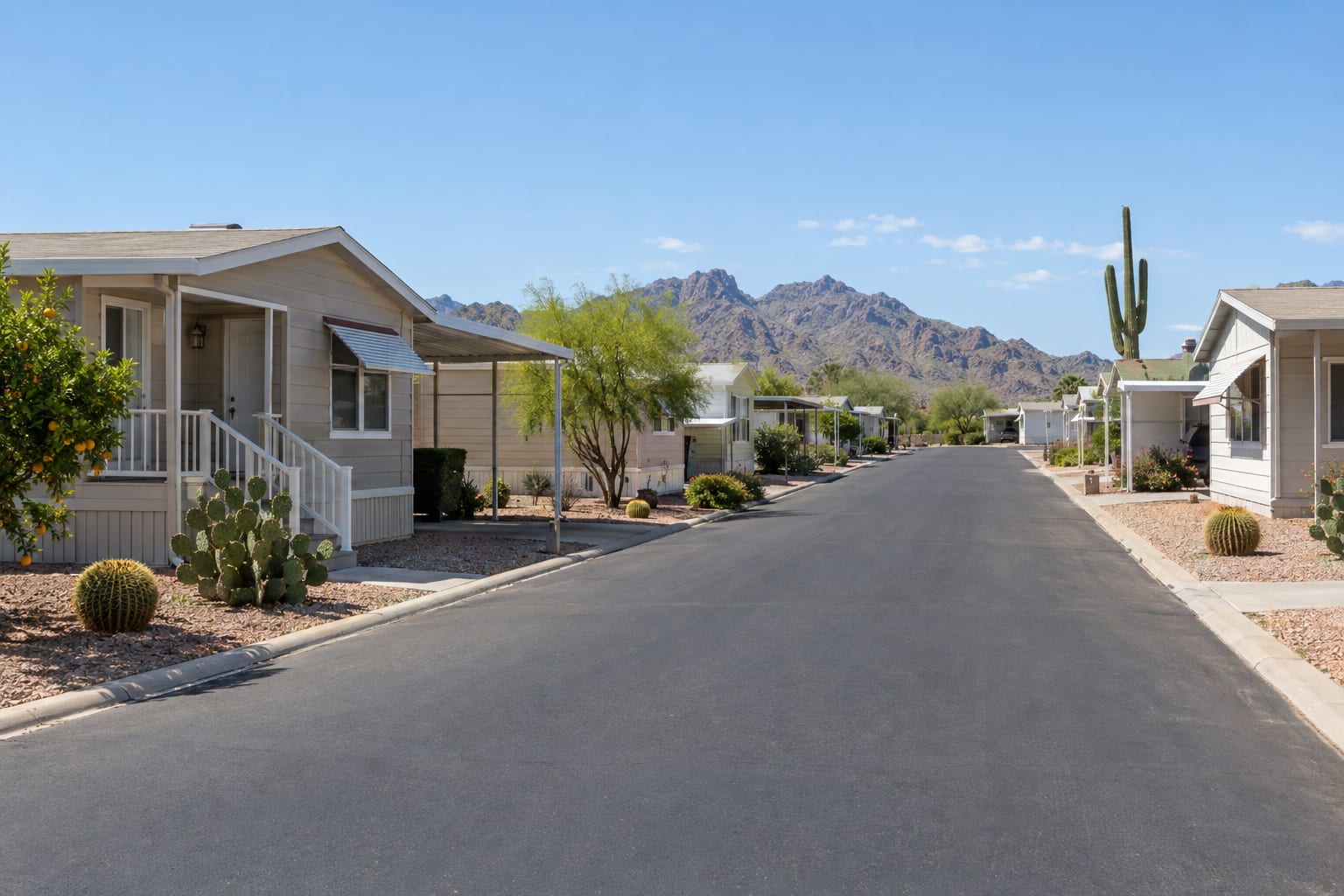
- A home in a land-lease community. You own the home and rent the space, so the equity is in the home alone. Value is usually supported by sales of similar homes, ideally in the same community.
- A home on land you own. When the home is permanently attached and recorded as real property, the home and land are appraised together.
For a home in a California community, a comparable sales report from Santiago Financial, Inc. lists the reported sales in that community over the past two years. It is not an appraisal, but it is a useful check on your own estimate before you pay for anything else.
The measure lenders use is loan-to-value, or LTV: the new loan amount divided by the home’s value. There is no single limit to quote. Ask what applies to your home and your scenario.
What owners use cash out for, and what each use puts at risk
The purpose matters, because the loan will outlast most of the things the money buys.
Common uses of cash out
| Use | What it does | What to weigh |
|---|---|---|
| Repairs or improvements to the home | Puts the money back into the property that secures the loan | A project can add less value than it costs; repairs that stop damage come first |
| Paying off other debts | Replaces several payments with one | Unsecured debt becomes debt secured by your home, usually repaid over a longer period |
| A large one-time expense | Makes funds available without a separate loan | You repay it, with interest, for as long as the home loan runs |
| Buying out a co-owner | Lets one person keep the home after a divorce or an inheritance | The remaining owner has to qualify alone, and the title has to be updated |
Whether any of the interest is deductible depends on how the money is used and on your own tax situation. IRS Publication 936 sets out the rules; ask a tax professional before you count on a deduction. This is general information, not tax advice.
Paying off other debts moves them onto your home
Credit cards and most personal loans are unsecured. If you fall behind, the creditor can report it and pursue collection, but the debt is not secured by your home. Roll those balances into a home loan and that changes: the same debt is now secured by the home, and missed payments put the home itself at risk. The Consumer Financial Protection Bureau makes this point in its guidance on consolidating credit card debt.
Two other effects are less obvious. Spreading short-term debt over the life of a home loan can lower what you pay each month while raising what you pay in total. And equity you use now is not there later for an emergency or a repair.
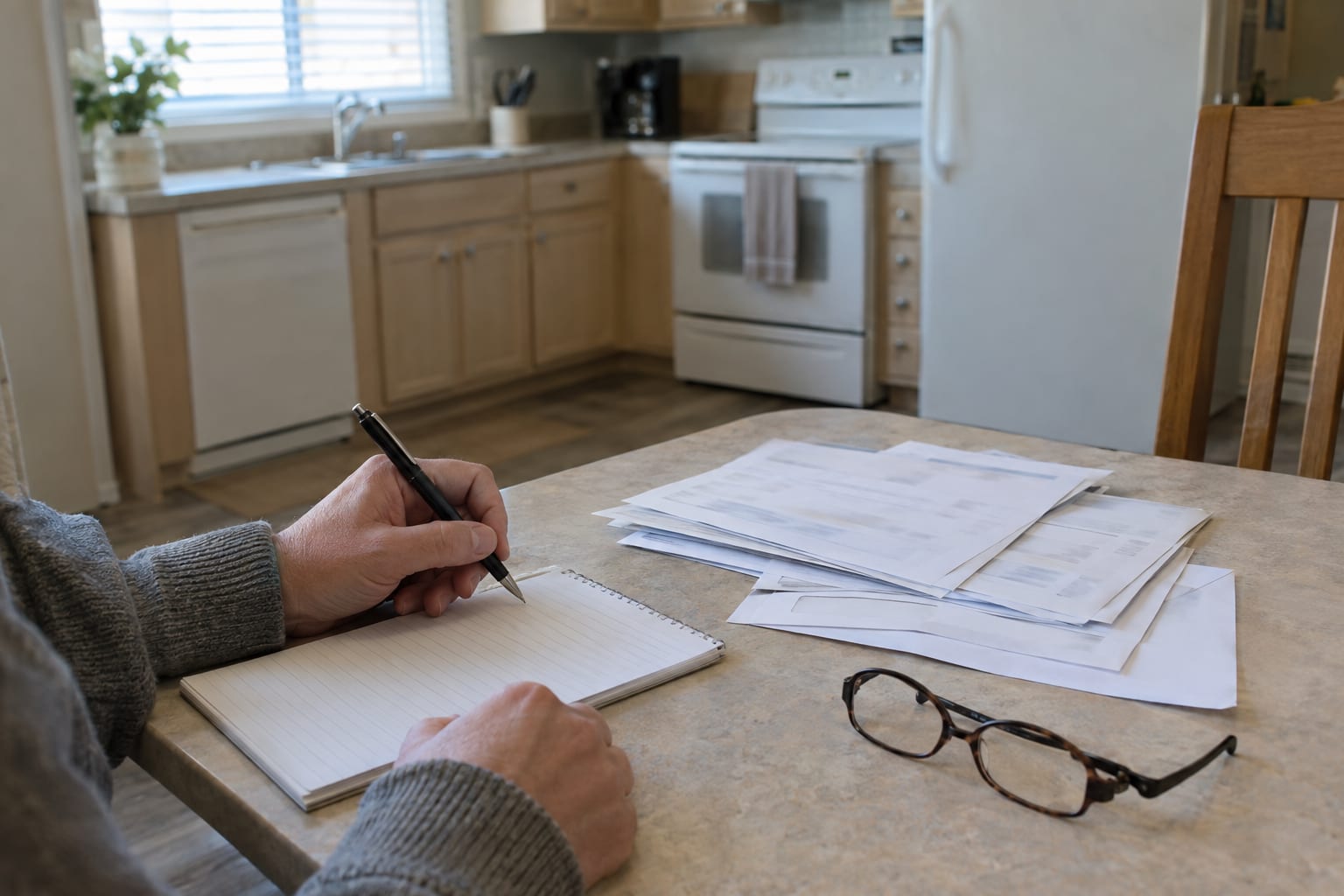
Before you decide, write down the answers to these.
What the new loan changes besides the cash
A cash-out refinance replaces your whole loan, not only the part you are adding. The balance is higher, a new repayment period starts, and the rate is whatever applies to the new loan. Your rate depends on the program, your credit, the home, and the loan amount.
You also keep less of a cushion. With less equity, a sale in the next few years leaves you with less, and a drop in the home’s value can leave you owing close to what it is worth.
To see what a larger balance does to the payment, enter your own figures in the payment calculator. The results are educational estimates, not a loan offer. For how to set the cost of a refinance against the monthly change, see when refinancing a mobile home loan makes sense.
What to ask before you apply
The refinance options page describes what is reviewed on any refinance. These questions get you the answers that are specific to cash out on your home.
- Is cash out available for my home as it sits: its year and size, and whether it is in a community or on land I own?
- How will the value be established, and what will that cost me?
- How large can the new loan be compared with the value, under the program that fits?
- What are the total costs, and are they paid in cash or added to the balance?
- Does my current loan have a prepayment penalty?
- Are the debts I am consolidating paid off directly at closing, or do I receive the funds and pay them myself?
Have your current loan statement in front of you when you talk with a specialist. Every application is reviewed individually, all financing is subject to credit approval, and cash out is not available on every home.