Buying a Manufactured Home in Santa Maria and on the Central Coast
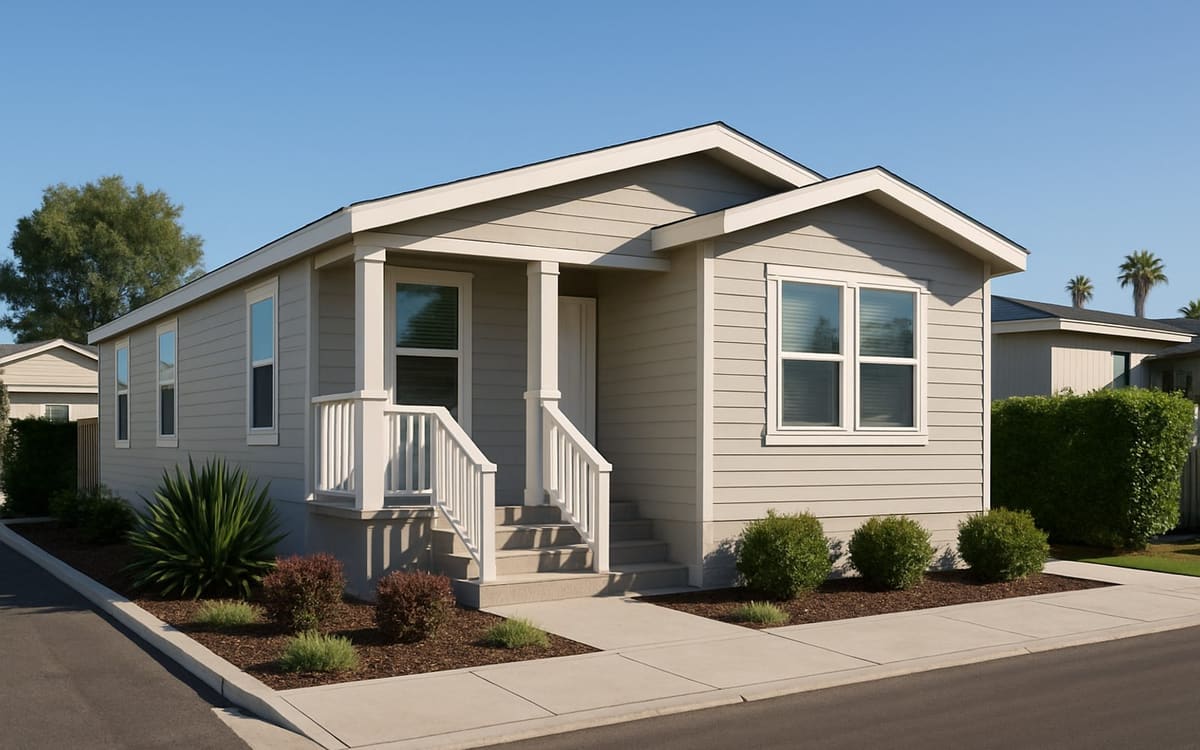
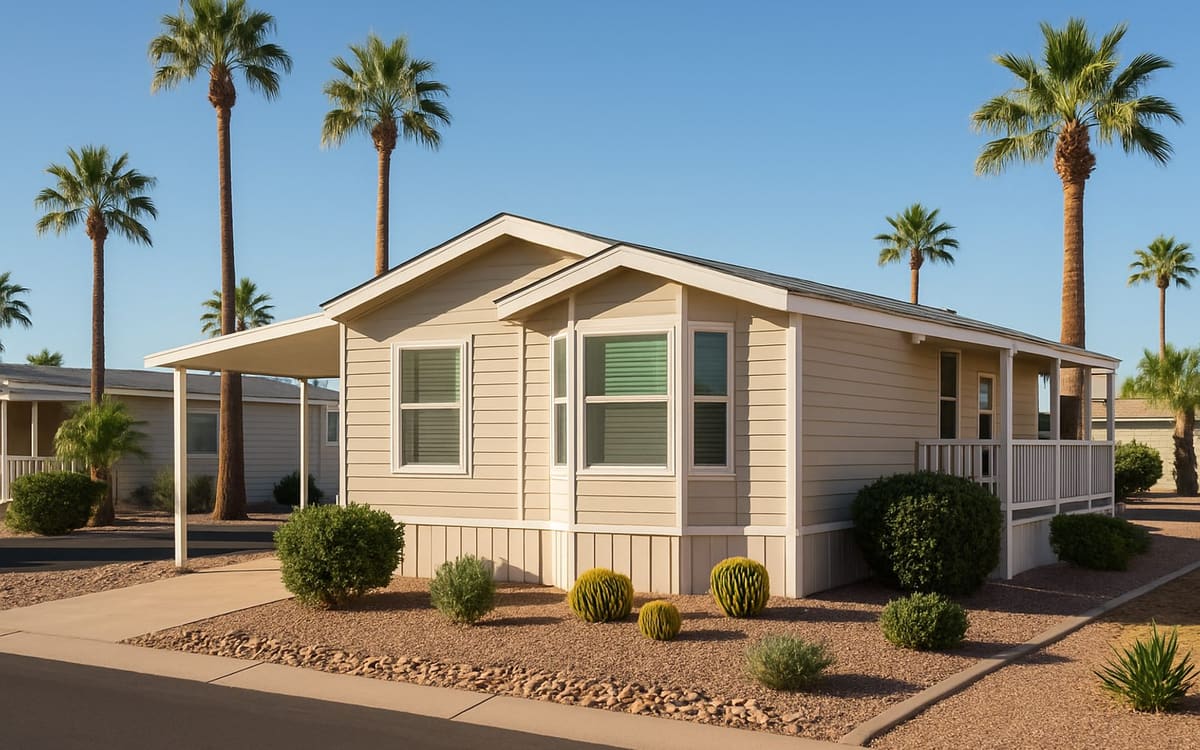
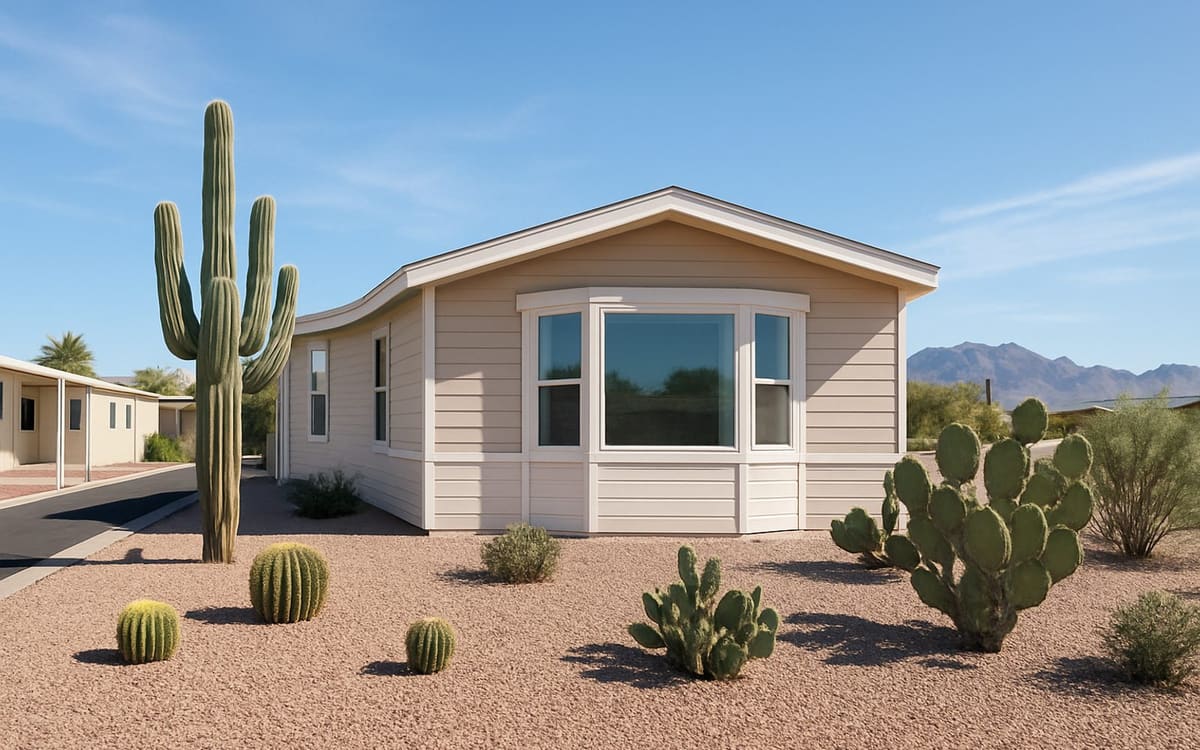
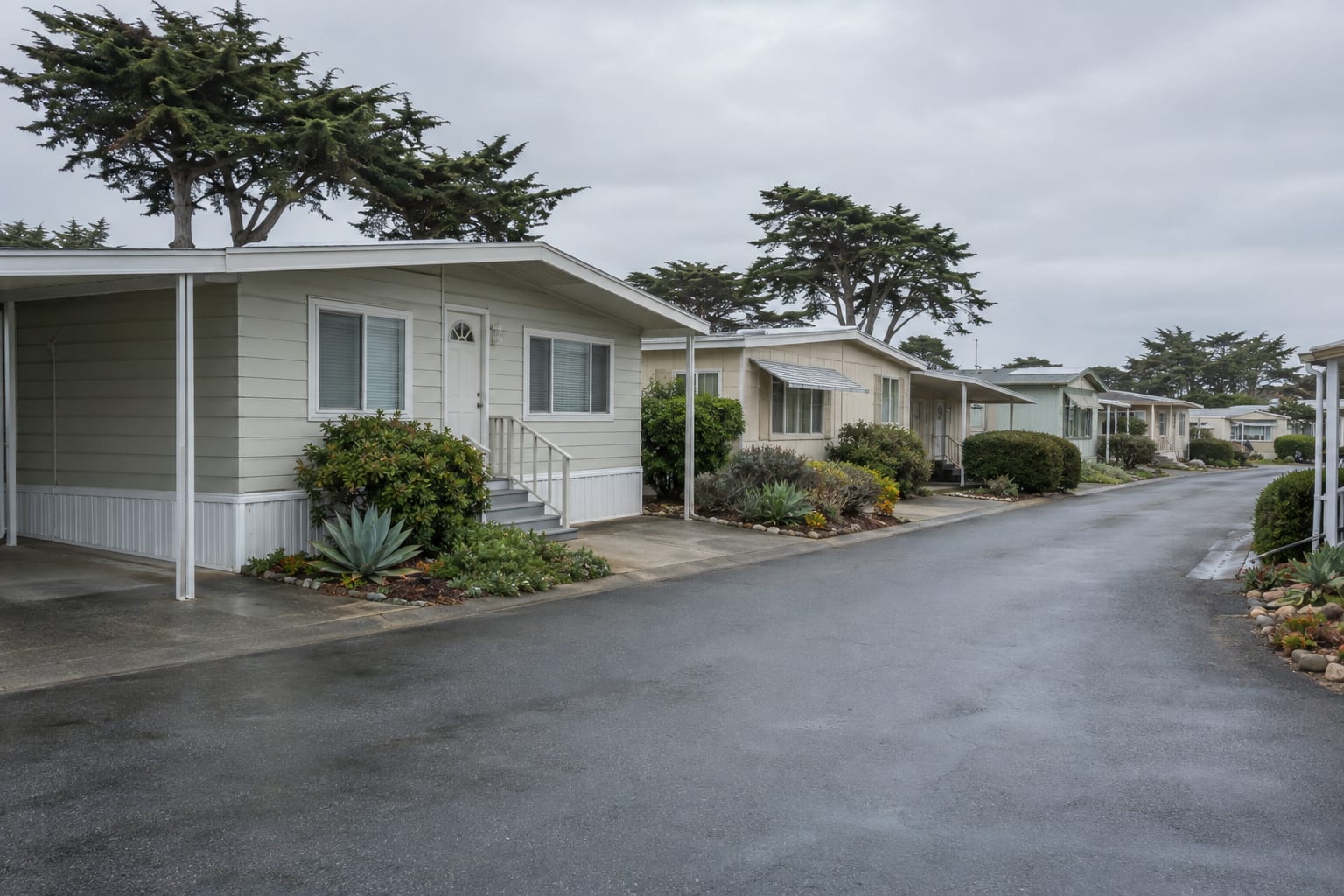
A manufactured home for sale in Santa Maria, Orcutt, Lompoc or Nipomo is often in a community, where you buy the home and rent the space under it. That puts most of your homework on the community: what the space costs each month, which local rent rules cover it, who is allowed to live there, and what the office needs from you. The home is financed on its own, and the community approves you separately from the lender.
Santiago Financial, Inc. has no separate Santa Maria page, because it finances manufactured homes anywhere in the state: see California manufactured home loans. What follows is particular to northern Santa Barbara County and southern San Luis Obispo County. All financing is subject to credit approval, and not all applicants or homes qualify.
In a community, the space matters as much as the home
When the land is leased, the loan covers the home alone. This is a home-only loan, also called a chattel loan, and the home is titled as personal property. California titles manufactured homes through HCD, the Department of Housing and Community Development, not the DMV.
The space is a separate monthly cost. Space rent is paid to the community on top of the loan payment, and a lender counts it when it reviews your income. Two homes at the same price can cost very different amounts each month, which is why how space rent affects what you can afford is worth reading before you compare listings.
To confirm the basics about a community, HCD keeps a public search of mobilehome parks where you can look up a registered park by name or location.
The city or county decides the local rent rules
Four neighboring places on this stretch of coast answer to four different local governments, and each has its own approach to space rent. Which one applies depends on where the community sits, not on its mailing address.
Where to look up local rent rules
| Where the community is | Local government | What to look up |
|---|---|---|
| Inside Santa Maria city limits | City of Santa Maria | The Mobile Home Park Model Lease Program |
| Orcutt and other unincorporated Santa Barbara County | County of Santa Barbara | County Code Chapter 11A, Mobilehome Rent Control |
| Inside Lompoc city limits | City of Lompoc | Municipal Code Chapter 5.60, Mobilehome Rent Stabilization |
| Nipomo and other unincorporated San Luis Obispo County | County of San Luis Obispo | The Mobile Home Park Rent Stabilization Ordinance |
These programs differ from one another, and whether a given space is covered can depend on the kind of lease you sign. San Luis Obispo County’s ordinance pages include one for new homeowners and prospective buyers that explains how that works there.
Wherever you buy, ask the office which rules apply to the space, and read the lease you are offered before you sign it.
Find out early whether the community is age-restricted
Communities for residents 55 and older are part of the mix on the Central Coast. An age restriction is set out in the community’s rules, and it affects more than the buyer:
- Who will live in the home. Ask the minimum age for each occupant, and how the rules treat a younger spouse, a caregiver or an adult child.
- Who is on the loan. If a family member is helping you buy and will not live there, ask the community and the lender how each treats a co-borrower who is not an occupant.
- Part-time use. Many programs and communities require owner-occupancy. Ask whether financing is available for your intended use before you buy.
- Resale. When you sell, your buyer has to meet the same rules, which narrows who can buy the home.

Farm pay and retirement income are documented differently
The lender compares your gross monthly income with the full monthly housing cost: the loan payment, space rent, insurance and taxes. Acceptable ratios depend on the program, your other debts and disposable income. How the income is proven depends on where it comes from.
If your pay follows the growing season. Seasonal income is generally measured across the whole year, not by your peak month, and it has to appear on pay stubs, W-2s or tax returns. The Fresno and Central Valley guide explains the method and lists what to gather.
If you are retired. Fixed income is usually documented with:
- the award letter or benefit statement for Social Security
- statements for a pension or annuity
- bank statements showing the deposits arriving
- tax returns, if the lender asks for them
The community runs its own resident application and decides for itself what proof of income it accepts. Community approval and lender approval are separate reviews, and you need both.
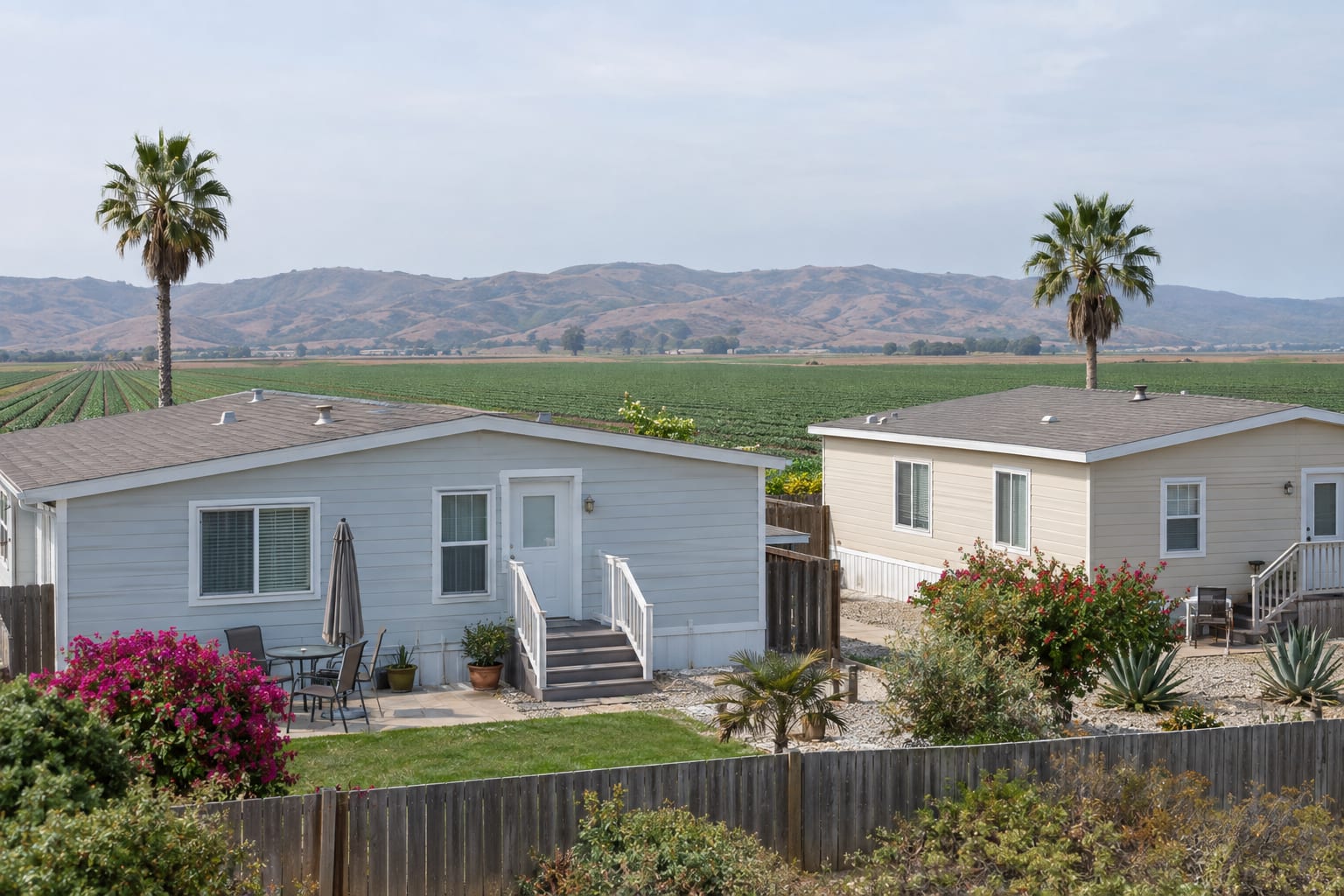
Questions to ask the community office
Take these with you when you tour. The longer list in questions to ask before buying on leased land applies anywhere; the ones below matter most here.
What to check on a home near the coast
Value. For a home in a California community, a comparable sales report shows what similar homes have sold for. It is not an appraisal, but it tells you whether the asking price is in line before you commit.
Marine air. Fog and salt air are hard on metal. Ask the inspector to look at the steel frame and tie-downs under the home, the roof, metal siding and skirting, awning posts, and the outdoor air-conditioning unit. Soft flooring near doors and windows is a sign that moisture has been getting in.
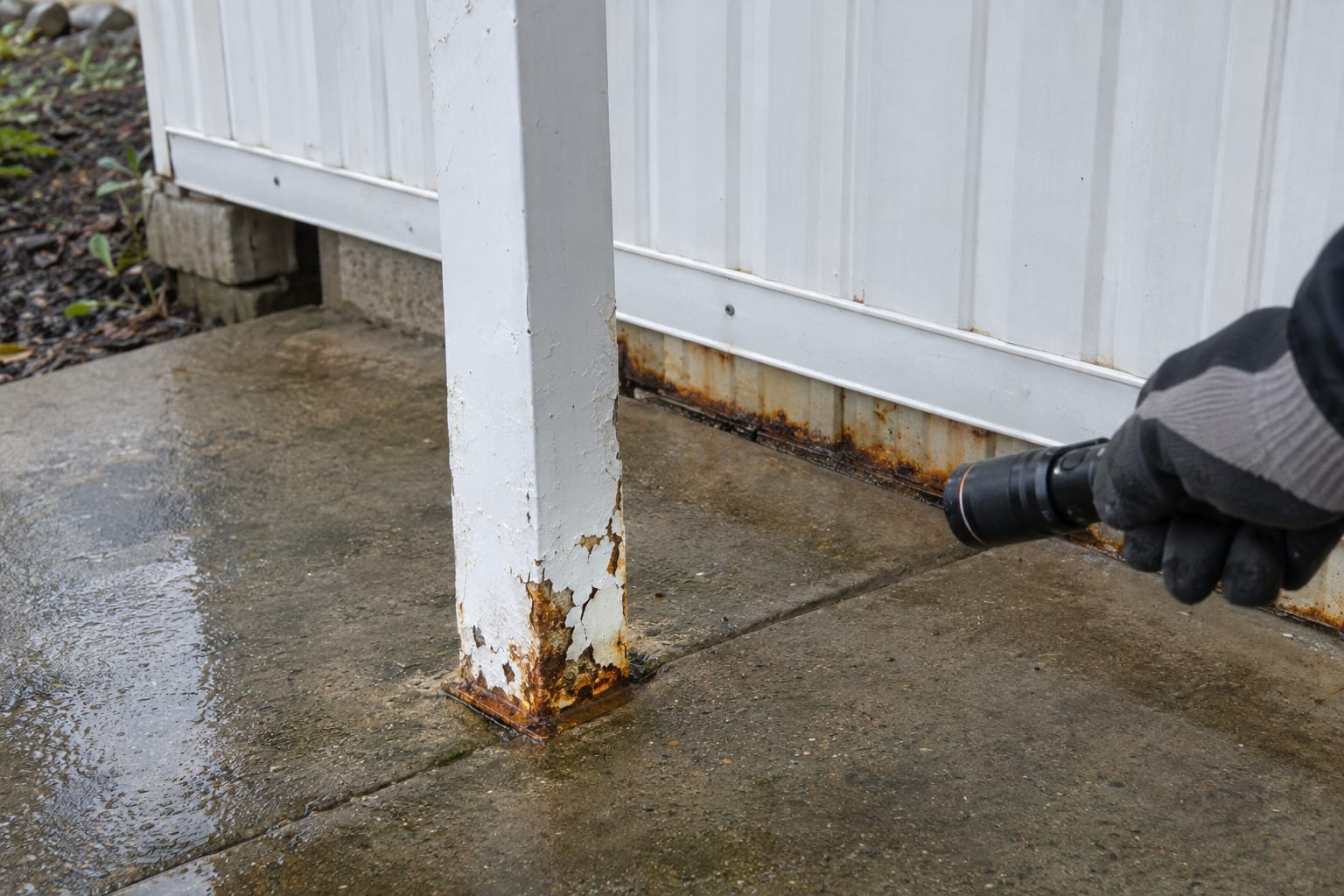
Flood zone. Look the address up on FEMA’s flood maps. The zone affects insurance.
The home’s identity. The serial number on the home should match the HCD title. A mismatch is far better found at the start than in the last week of escrow.
Once you have a home and a community in mind, talk with a specialist about the home, the space rent and your income before you make an offer. Pre-qualification is not final approval, but it shows what your budget supports.