Community Spotlight: The Benefits of Living in a Resident-Owned Mobile Home Park
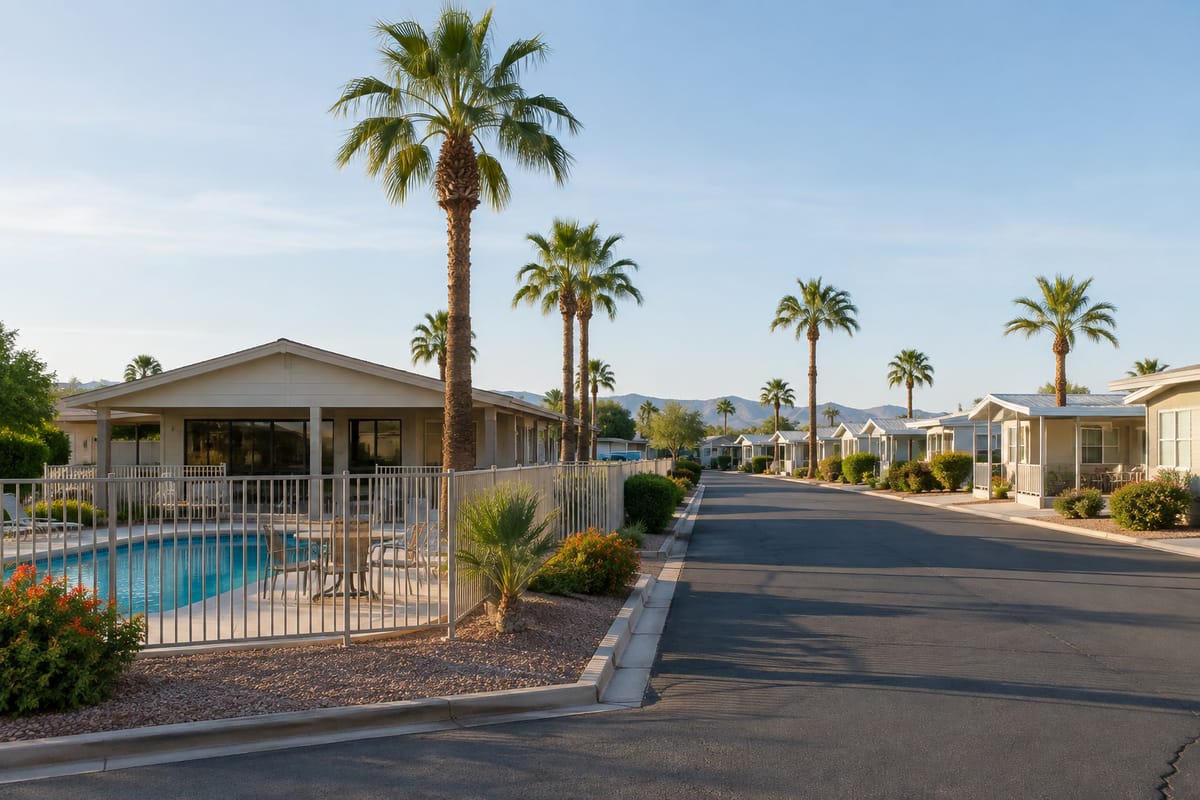
In a resident-owned community, the people who live there own the land under their homes, usually through a corporation or association they control, instead of renting spaces from an outside landlord. Whether that is a better deal than a regular park depends on three things: what you have to buy to get in, what the monthly charges cover, and how well the residents run the place.
Resident ownership takes the outside landlord out of the picture. It does not take away the cost of owning and maintaining a park, and it changes what a lender needs to review.
Who owns what in each kind of community
In most manufactured home communities you own the home and rent the space under it. That arrangement is called a land-lease community, the monthly charge is space rent, and the land belongs to a private owner or a company.
“Resident-owned” covers two different arrangements. In a cooperative, or co-op, a corporation owns the whole park and the residents own the corporation, each household holding a share or membership. In a lot-ownership community, set up as a subdivision or a condominium, each household holds a deed to its own lot or lot interest, and an owners’ association holds the streets and common areas.
Who owns what, and what you pay each month
| Question | Investor-owned park | Co-op | Lot ownership |
|---|---|---|---|
| Who owns the land | A private owner or company | A corporation owned by the residents | Each homeowner, lot by lot |
| What you buy | The home | The home and a share or membership | The home and the lot or lot interest |
| What you pay monthly | Space rent | A monthly fee to the co-op | Association dues, plus property tax on your lot |
| Who sets rules and charges | The owner or its manager | A board the residents elect | A board the lot owners elect |
A third arrangement borrows the name. When a nonprofit housing organization or a public agency buys a park to keep it affordable, the residents are still tenants. They rent from an owner with a different mission, which is not the same as owning.
What you pay instead of space rent
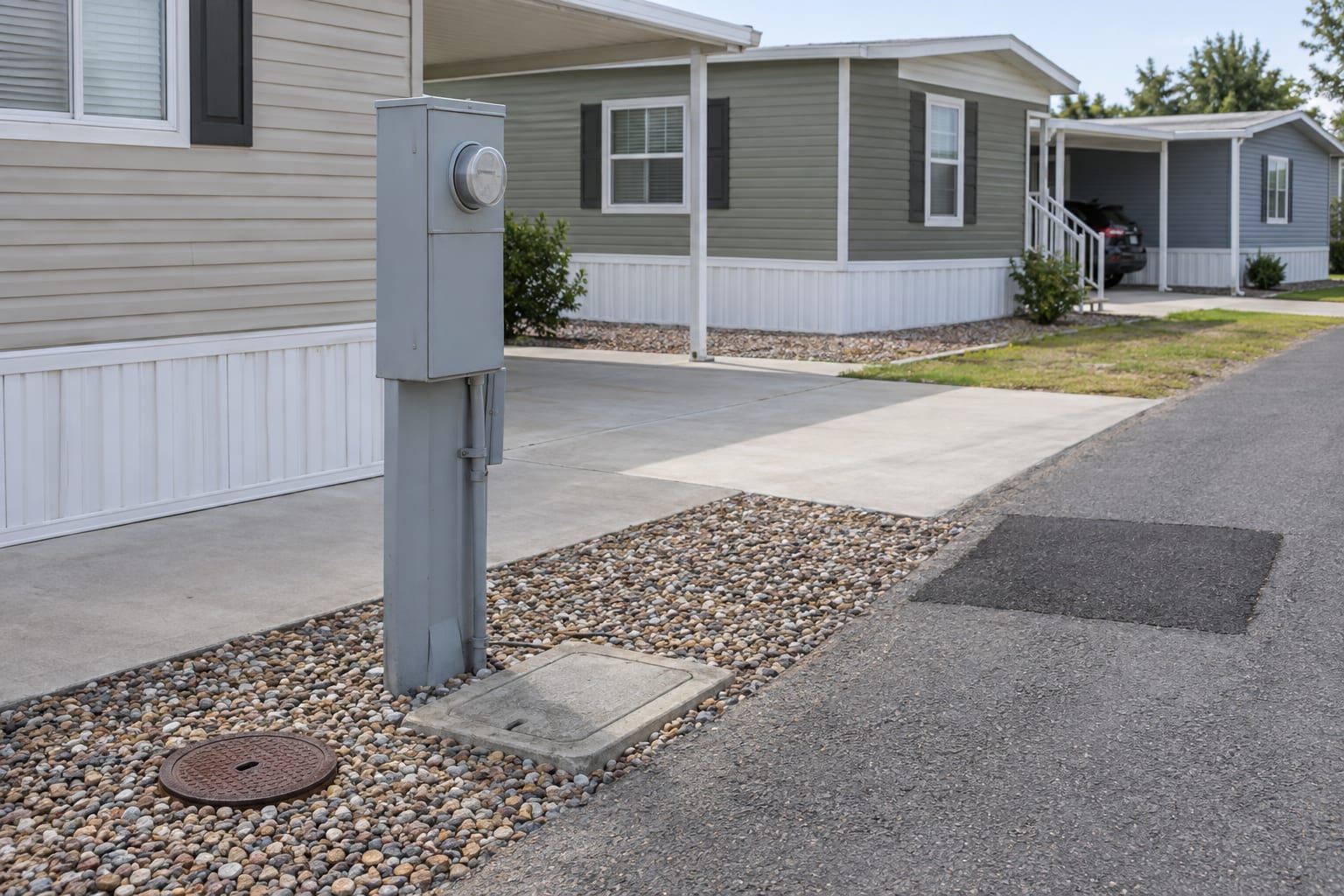
The landlord’s profit leaves the monthly charge. The park’s costs stay: the loan the residents took out to buy the land, property taxes, insurance, management, and the upkeep of streets, water and sewer lines, electrical pedestals and the clubhouse. The board turns those costs into a budget, and the budget becomes each household’s monthly fee.
Fees can still go up. What changes is who decides and what you can see. Members receive the budget, elect the board that adopts it, and can ask how much is in the reserve fund for large repairs. If reserves run short when a street or a sewer line fails, the community may charge a one-time special assessment.
A lender counts the monthly fee the same way it counts space rent, as part of your total housing cost. How space rent affects what you can afford explains that calculation.
What residents gain and what they take on
Resident ownership trades a landlord’s control for the residents’ own responsibility. Both sides of that trade matter to a buyer.
What residents gain
- No outside owner to sell the land. In a rental park, a sale to a new owner or a change in how the land is used is out of the residents’ hands. What happens to your loan when a park is sold describes that situation. In a resident-owned community, the decision belongs to the residents.
- A vote. Members elect the board and vote on major decisions, including the budget and the community rules.
- Money stays in the community. What is left after expenses goes to reserves or improvements, not to an owner.
What residents take on
- The park’s debts and repairs. No landlord is there to absorb the cost of a failed water main.
- Self-government. A volunteer board runs what amounts to a small utility and a property business. Some boards do it well and some do not, and the difference shows in the budget and the meeting minutes.
- A second thing to buy and sell. You need cash or financing for the share or the lot, and so will your eventual buyer. Some co-ops fix the share price to keep it low. In those, the share itself does not gain value.
Rules do not go away either. A resident-owned community still has community rules, often an age rule, and an approval process for new members. That approval is a separate review from a lender’s approval of your loan.

How to confirm a community really is resident-owned
The label is used loosely in listings. A 55-and-over community is age-restricted, which says nothing about who owns the land. A rental park can have an active residents’ association that plans events and speaks for tenants without owning anything. A park can also be converted to lot ownership with only some of the lots sold, so the space under one home is owned and the space next door is still rented.
Where to run those searches differs by state. The guides to resident-owned communities in Arizona and resident-owned communities in California name the offices and records to use.
How resident ownership changes the financing
A lender’s first question is what secures the loan, and the answer follows the ownership structure.
In a co-op, you own the home but you do not individually own the land. The home is generally financed on its own as personal property with a home-only loan, also called a chattel loan. The share is a separate purchase. Ask whether the share price can be part of the financing or has to be paid in cash. A lender will generally want to see the agreement that gives you the right to occupy your space, along with the current monthly fee.
In a lot-ownership community, you own land. If the home is permanently attached to your lot and recorded as real property, the home and lot may be financed together with land-and-home financing. If the home is still titled separately as personal property, ask how the home and the lot will each be handled.
Before you make an offer, talk with a specialist about which structure the community uses and what transfers with the home. All financing is subject to credit approval, and not every home or community qualifies. This article is general information, not legal or tax advice.