The Manufactured Home Final Walk-Through: What to Check Before Taking Possession
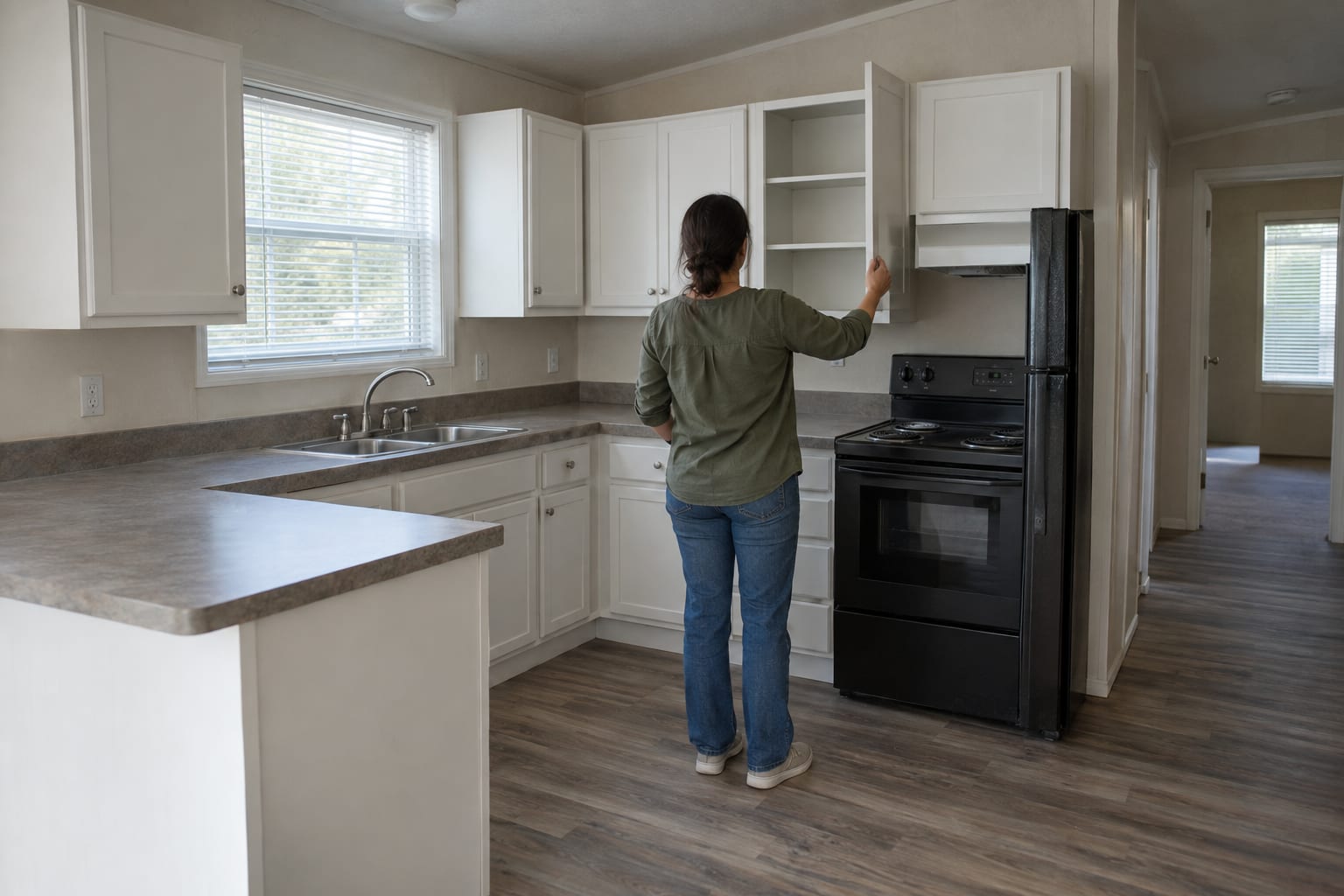
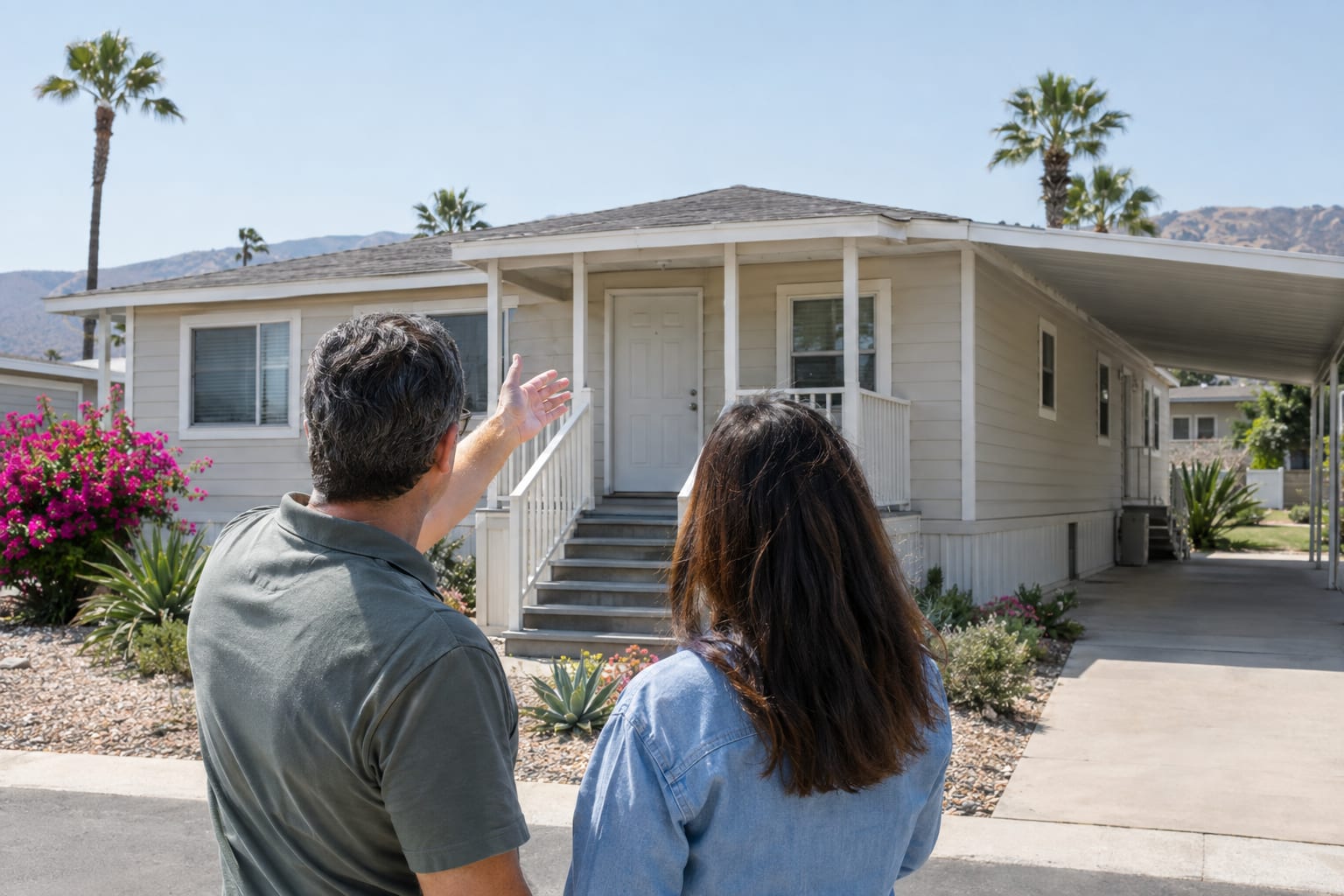
The final walk-through is a visit to the home shortly before you take possession, to confirm it is in the condition you agreed to buy it in. It is not a second inspection. The inspection, done weeks earlier, found what was wrong; the walk-through checks that what the seller agreed to fix was fixed, that the items the agreement includes are still there, that nothing has been damaged since, and that the handover is arranged. Take the inspection report, the repair list and the purchase agreement with you.
Why the inspection and the value review are separate reports, and what to do with each, is in inspection versus appraisal. This article is the visit after both are done.
What the walk-through is for
The visit answers four questions: were the agreed repairs done, is everything included still present, has anything changed since the inspection, and is the home ready to hand over. Each has a document behind it.
Each walk-through question and the document that answers it
| Question | What to bring | What to look at |
|---|---|---|
| Were the agreed repairs done? | The repair agreement and any receipts the seller provided | Each item on the list, and the receipt or permit where one was promised |
| Are the included items present? | The purchase agreement’s list of included items | Appliances, window coverings, sheds, carport contents, anything named |
| Has anything changed since the inspection? | The inspection report and its photographs | Walls, floors, ceilings, fixtures, the exterior, compared with the photographs |
| Is the home ready to hand over? | Your notes from the seller on keys, codes and utilities | Keys, remotes, utility accounts, the seller’s belongings gone |
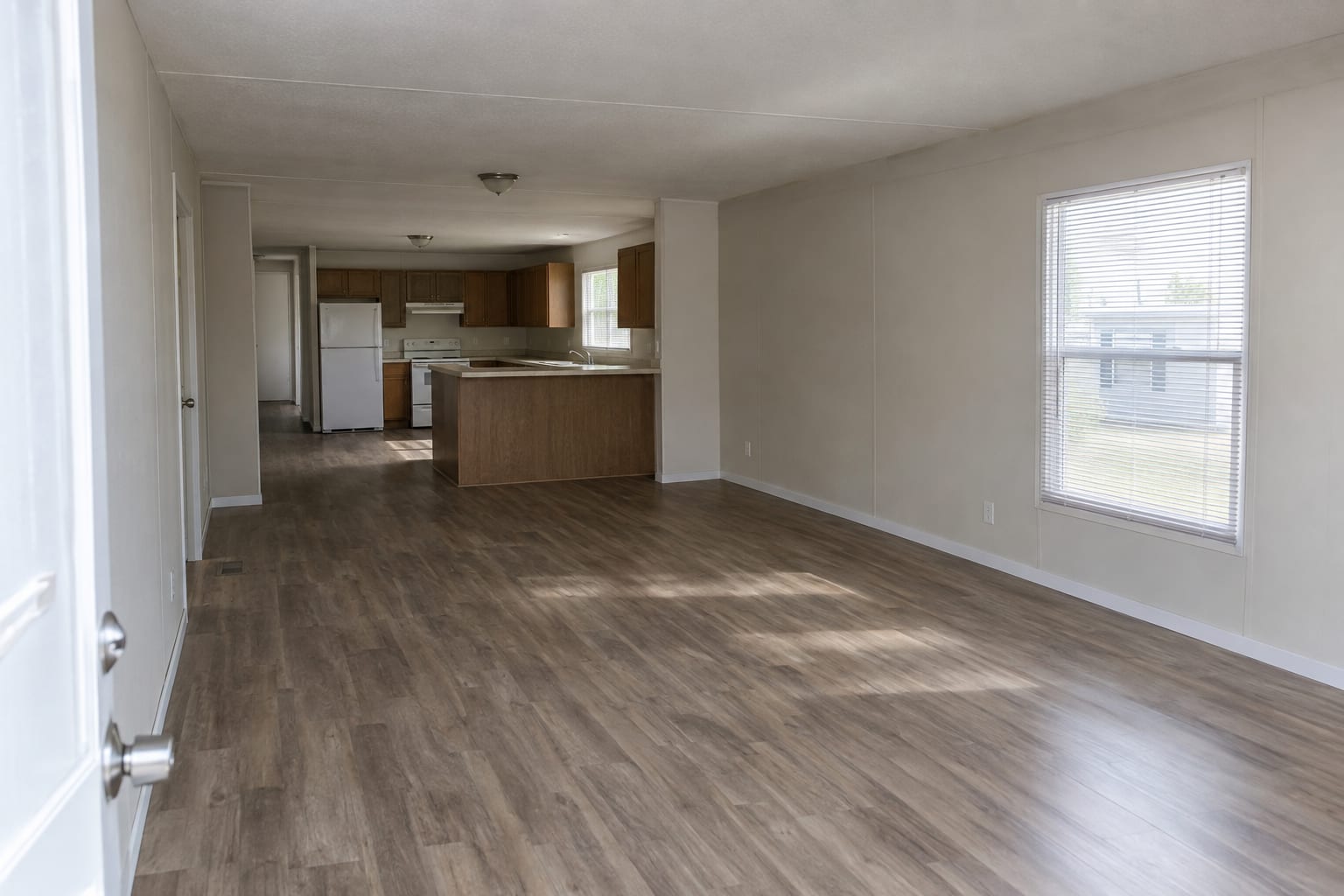
Walk it in the same order every time
A fixed route means nothing is skipped. Start outside, go in, end under the sink.
Photograph anything that does not match, with the date showing if your phone allows it.
Utilities, keys and the handover
The handover has its own list, and it is the one buyers most often leave for moving day.
- Utilities. Confirm which accounts transfer to you and when, and that electricity, gas or propane, water and sewer will be on the day you take possession. In a community, ask the office which services it bills.
- Keys and codes. Every exterior door, the shed, the mailbox, any gate, and the codes for a garage or a keypad. Ask how many copies exist.
- Documents left behind. Appliance manuals, warranties, the receipts for the repairs, and if the seller has them the permits for additions.
- The space. In a land-lease community, confirm with the office the date your lease or rental agreement starts and that the seller’s has ended.
If something is wrong
A problem found at the walk-through is only useful if it can still be acted on, so the order of events matters.
Raising a walk-through problem
- Document it Photographs, and a short written description of what differs from the agreement or the inspection.
- Tell escrow and your loan specialist before you sign, or before funds are released if you have already signed.
- Put it to the seller in writing, through the agent if there is one.
- Agree a remedy under the purchase agreement a repair before closing, a credit, money held in escrow until the work is done, or a delay if the agreement allows.
- Get the remedy in writing and into the escrow instructions before funds move.
What your agreement allows is a matter for the agreement, and for a licensed professional if it is unclear; this is general information, not legal advice. Who does what in a closing explains which party handles a last-minute change to the instructions. A walk-through that finds nothing wrong is the usual result, and the list above is how you know it is true.