Personal Property vs. Real Property Manufactured Homes: Why It Changes the Loan
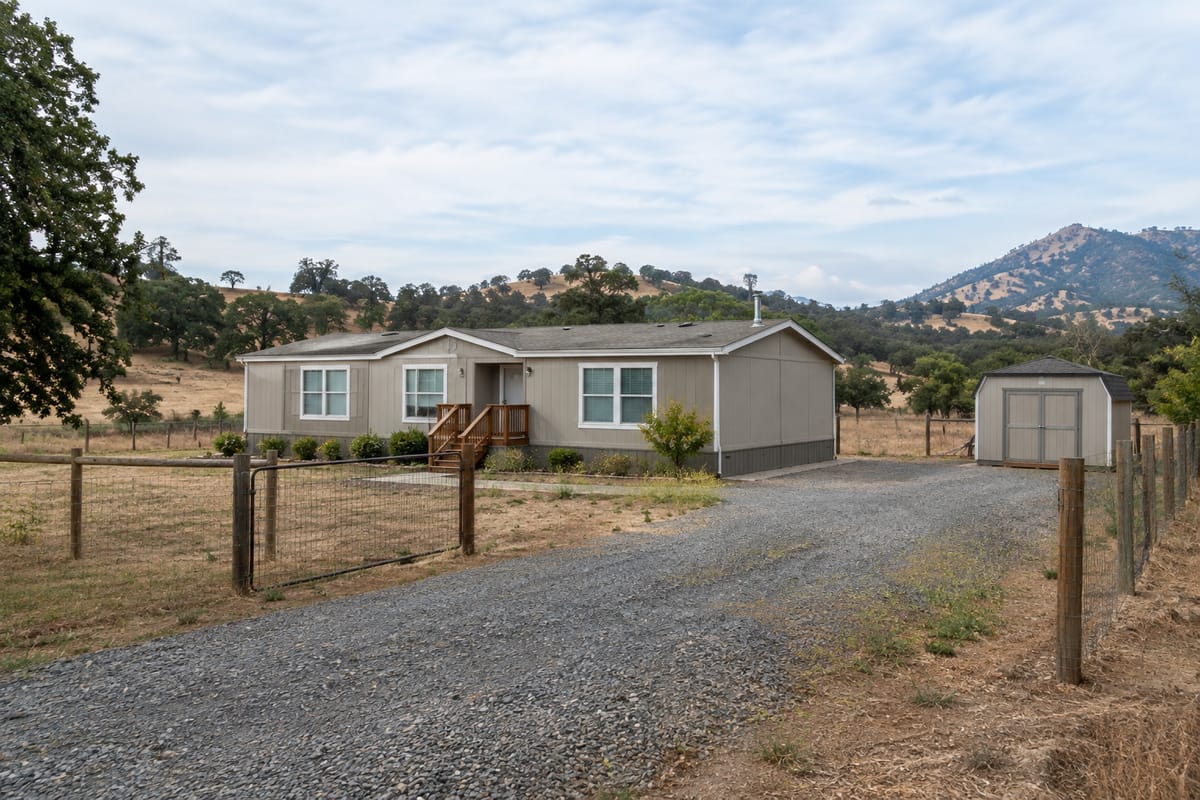
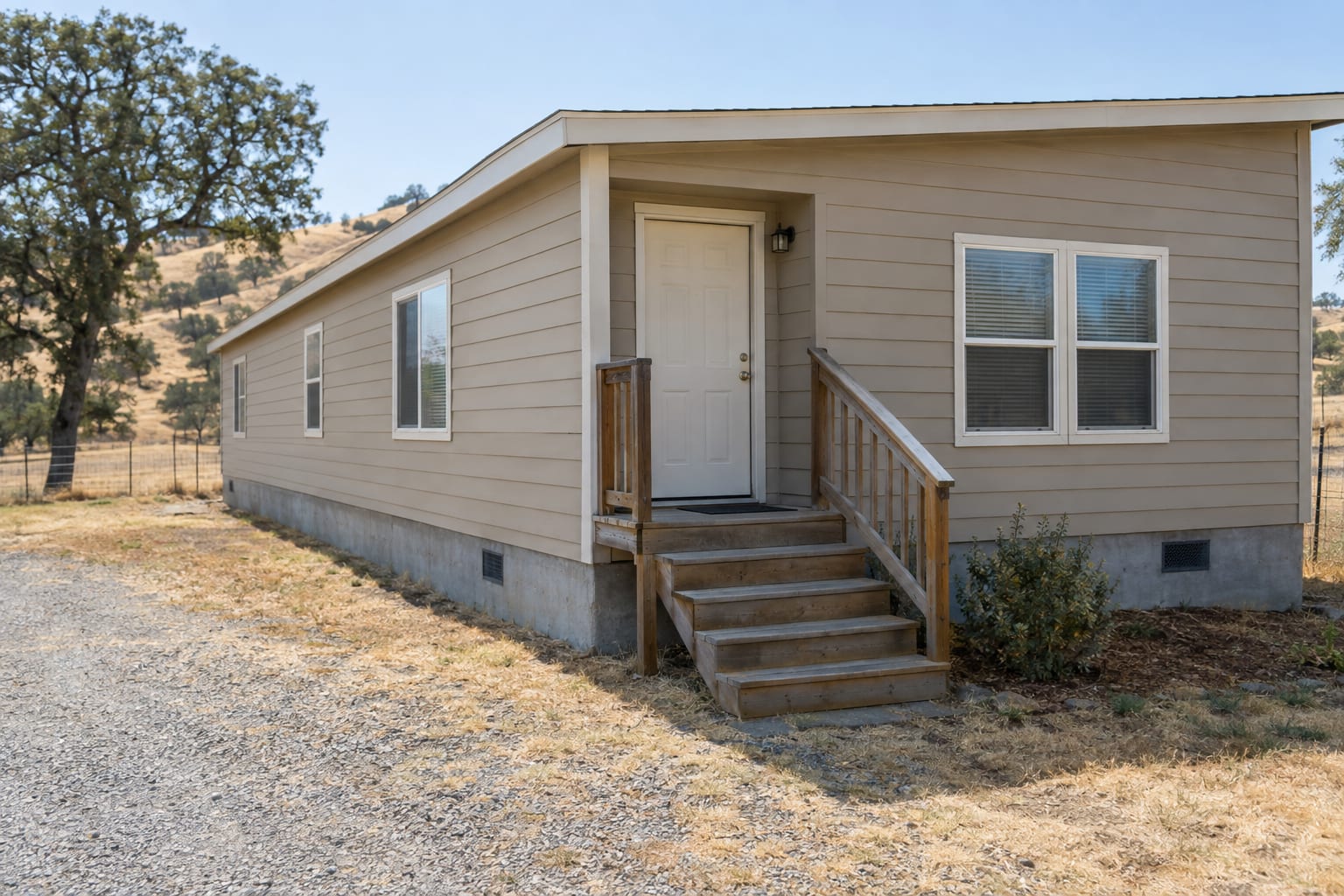
A manufactured home is personal property when it is titled on its own, the way a vehicle is. It is real property when it has been permanently attached to land its owner also holds and that change has been recorded with the county. The paperwork decides which one you are looking at. A foundation, a fenced lot or a line in a listing does not.
Find out before you make an offer. The classification decides which kind of loan applies, which records get checked, how the value is reviewed and how the home is taxed. Neither status is better than the other, but they are two different transactions, and the trouble starts when a buyer or seller assumes the wrong one.
The records decide, and each state keeps them differently
A home on a rented space in a community is personal property. On land the owner holds, a home can be either, and that is where buyers get caught.
California: an HCD title, or a recorded 433A
California titles and registers manufactured homes through HCD (the Department of Housing and Community Development), not the DMV. A home with a current HCD title is personal property.
When a home is installed on an approved foundation system, HCD Form 433A is recorded with the county recorder and HCD stops registering the home. From then on it is treated as part of the real estate. HCD describes the program on its registration and titling page, and the guide to what a 433A is covers the form itself.
Arizona: MVD titles, or a recorded Affidavit of Affixture
Arizona titles are handled by the MVD (the ADOT Motor Vehicle Division), generally one title per section, so a double-wide usually has two.
For an eligible home permanently attached to land the homeowner owns, the Affidavit of Affixture process generally involves surrendering the MVD title and recording the affidavit with the county recorder. Procedures change, so confirm the current steps with ADOT MVD and the county. The guide to Arizona’s Affidavit of Affixture explains what the document does.
What the classification changes in a purchase
Personal property compared with real property
| What changes | Personal property | Real property |
|---|---|---|
| Proof of ownership | A title: HCD in California, MVD in Arizona | A deed to the land, with the home’s conversion recorded at the county |
| Where the home usually sits | A rented space, or owned land with no recorded conversion | Land the owner holds, on a permanent foundation |
| Loan type | Home-only (chattel) loan | Land-and-home loan |
| Value review | The home alone, often against comparable sales | One appraisal of the home and land together |
| Taxes | On the home alone (in California, a license fee or property tax) | Property tax, assessed with the land |
| Selling later | The title transfers through the state agency | The home passes with the land by deed |
The loan follows the classification. A personal-property home is financed on its own with a home-only loan, also called a chattel loan. A real-property home can be financed together with its land through land-and-home financing. Which programs are open to a particular home also depends on its age, its foundation and your own application, and all financing is subject to credit approval.
Taxes follow it too. In California, a home that is still titled pays either an annual license fee to HCD or local property tax, depending on when it was first sold new, and a home on an approved permanent foundation is assessed as real property. The Board of Equalization sets this out in its manufactured home FAQ. In Arizona, ask the county assessor how the home is listed. In both states, ask the seller for the most recent bill so you know which system the home is in.
Insurance is the last piece. Tell the insurance agent how the home is held and whether the land is leased, so the policy matches what you will own. The lender will ask for a policy that names it before closing.
How to check a home’s status before you make an offer
You can do most of this with a few questions to the seller and one call to a public office.
Checking how a home is classified
- Ask what the seller will hand over at closing A title, or one per section in Arizona, means personal property. A deed alone means the seller is treating the home as real property, and you need to see the recording that supports it.
- Ask who owns the land A space lease in a community means personal property. If the seller owns the land, keep going before you assume anything.
- Ask for the conversion record In California that is the recorded 433A. In Arizona it is the recorded Affidavit of Affixture. The county recorder can tell you whether one is on file.
- Match the home to the paperwork The serial numbers on the title or the recorded form should match the data plate inside the home, section by section.
- Confirm with the agency HCD offers a title search, for a fee, that reports the current status of its record for a California home. In Arizona, the MVD holds the title record.
- Tell your loan specialist what you found Say which documents exist before you write the offer, so you apply for the loan that fits the home.
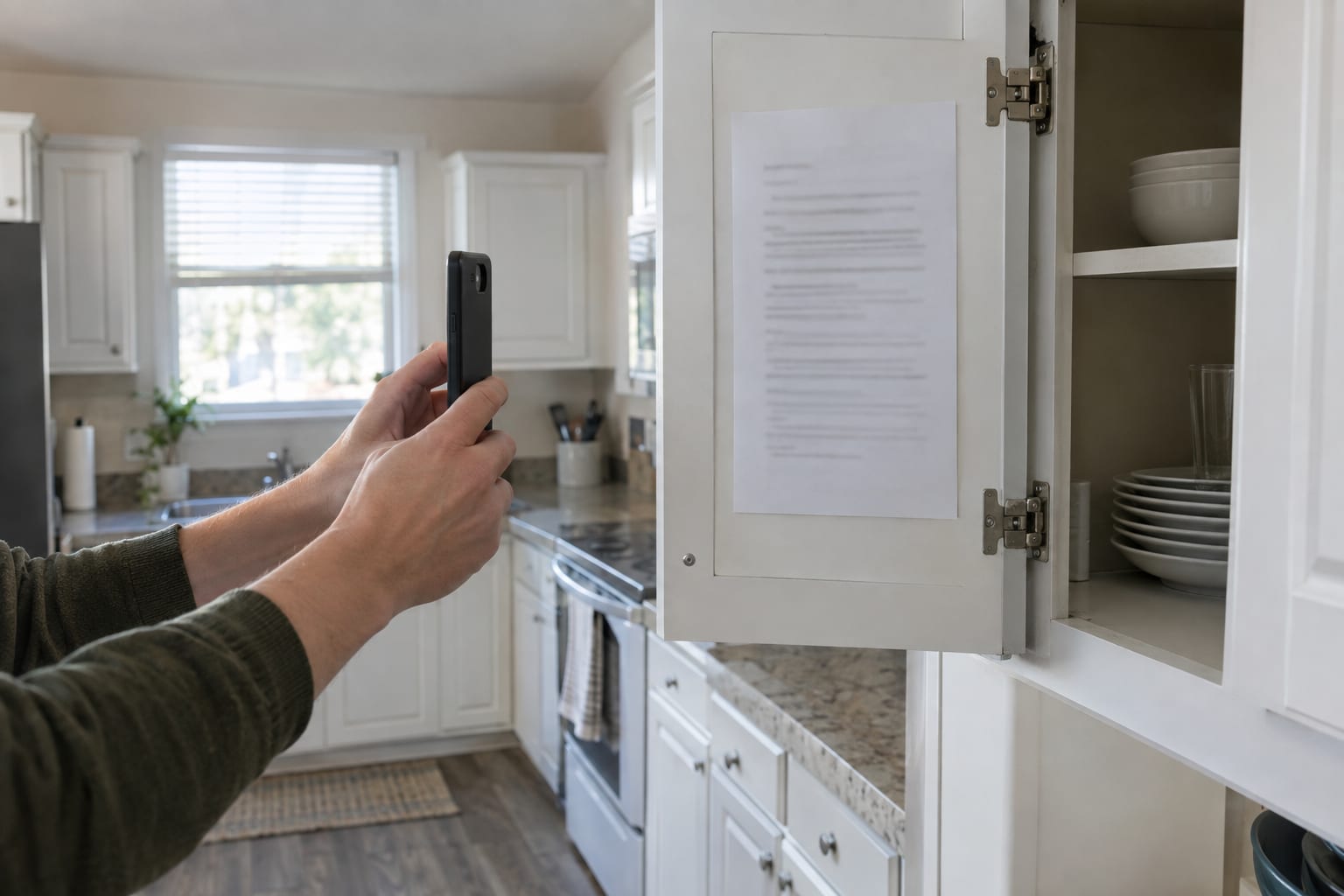
For what a clean title looks like in each state, see California HCD title basics and Arizona title basics. By the end of these steps you should have copies of three things.
When the records and the home do not match
Most surprises fall into one of three patterns.
- The home sits on a foundation on the seller’s land, but its title is still active. It is still personal property. Whether the conversion can be completed, and whether the loan you want needs it, depends on the foundation, the local building department and the program.
- The seller says the home was converted but can only produce an old title certificate. Ask the agency and the county recorder what their records show now. A certificate kept in a drawer may no longer be current.
- An Arizona double-wide comes with one title. Each section generally has its own, so a seller holding one has half the paperwork.
None of these ends a purchase by itself. Each takes time to sort out, and the timing depends on the agency and the county involved, so raise it at the start instead of in escrow.
This is general information, not legal or tax advice. HCD, ADOT MVD and the county recorder are the authorities on any particular home’s records. If you already have the seller’s paperwork and are not sure what it shows, bring it to your first conversation with a loan specialist.